










How to Make a Film Pitch Deck to Get Funding (+Templates)
Learn how to write a film pitch deck to impress producers, with tips on what to include and best format. Get templates to make your film pitch deck easily.
Set as Preferred Source
What does a film pitch deck look like?
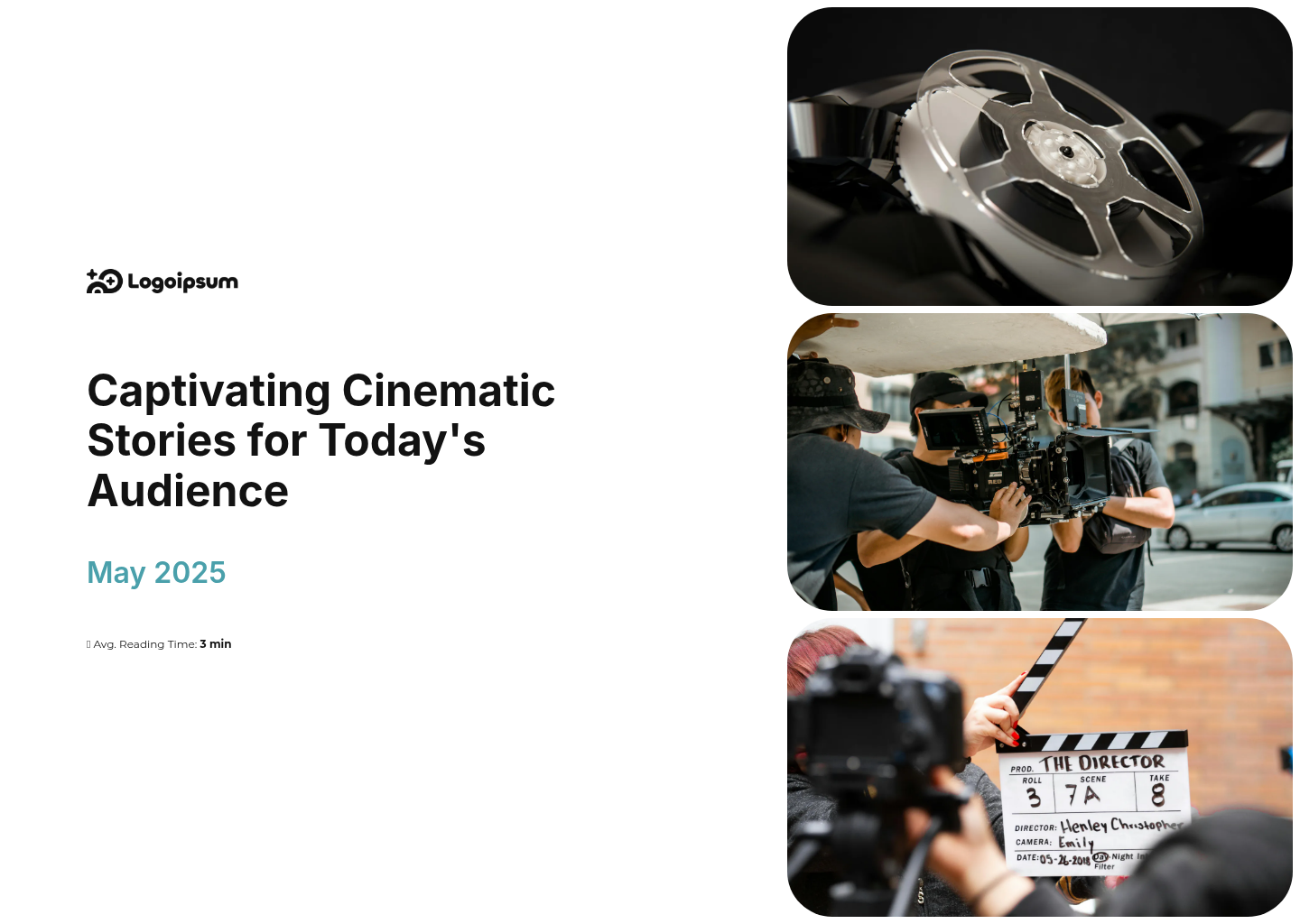
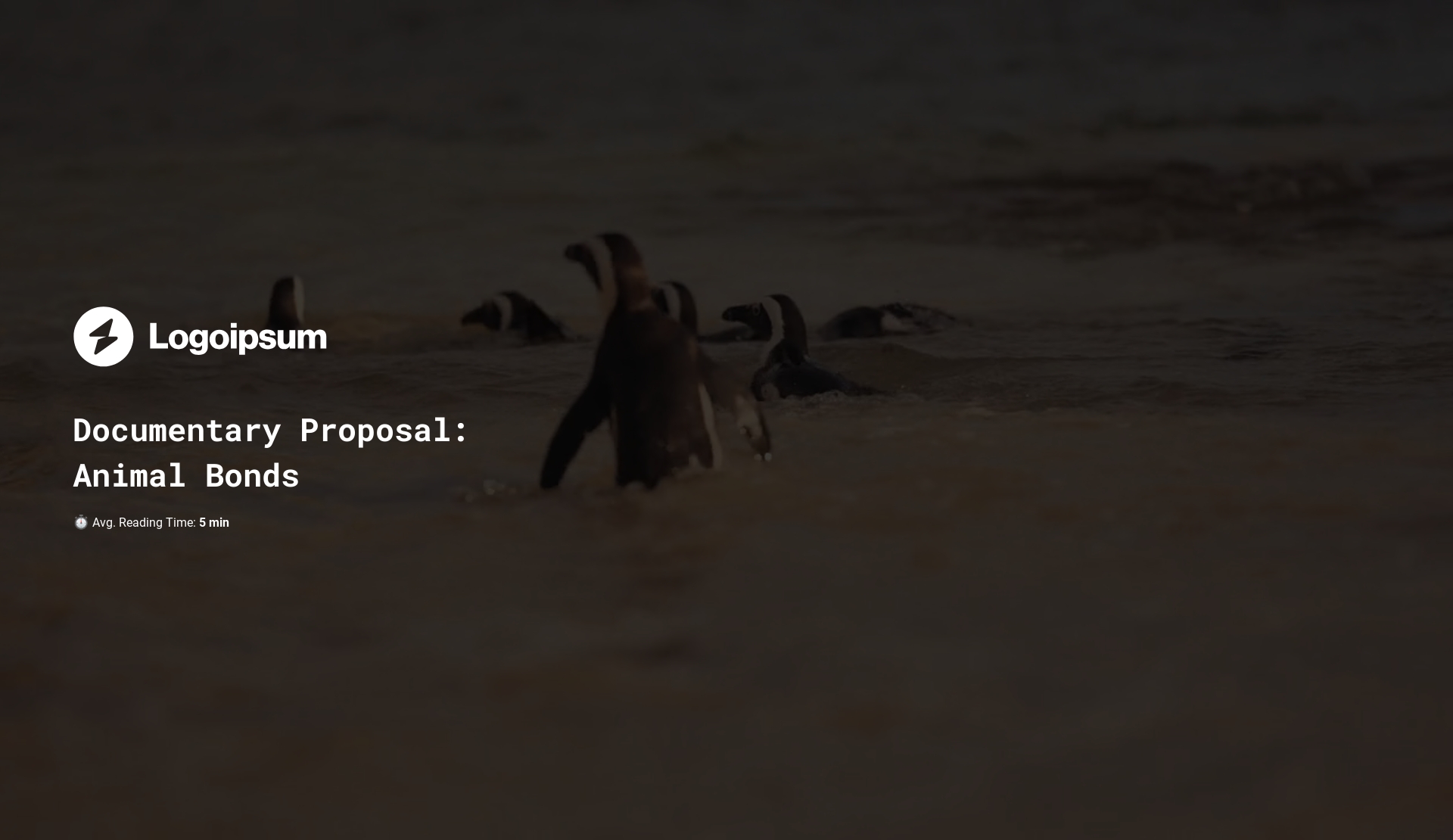
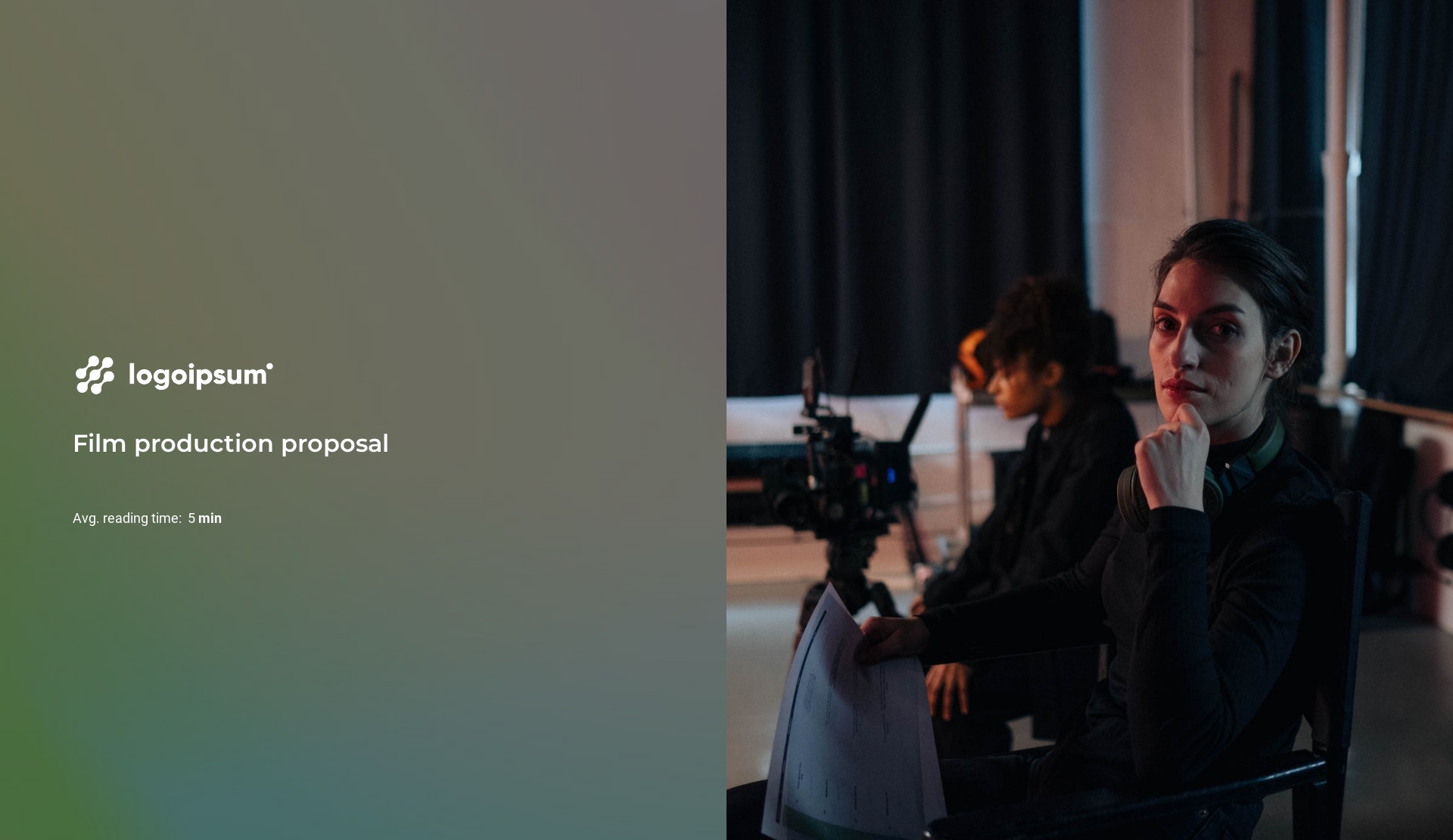
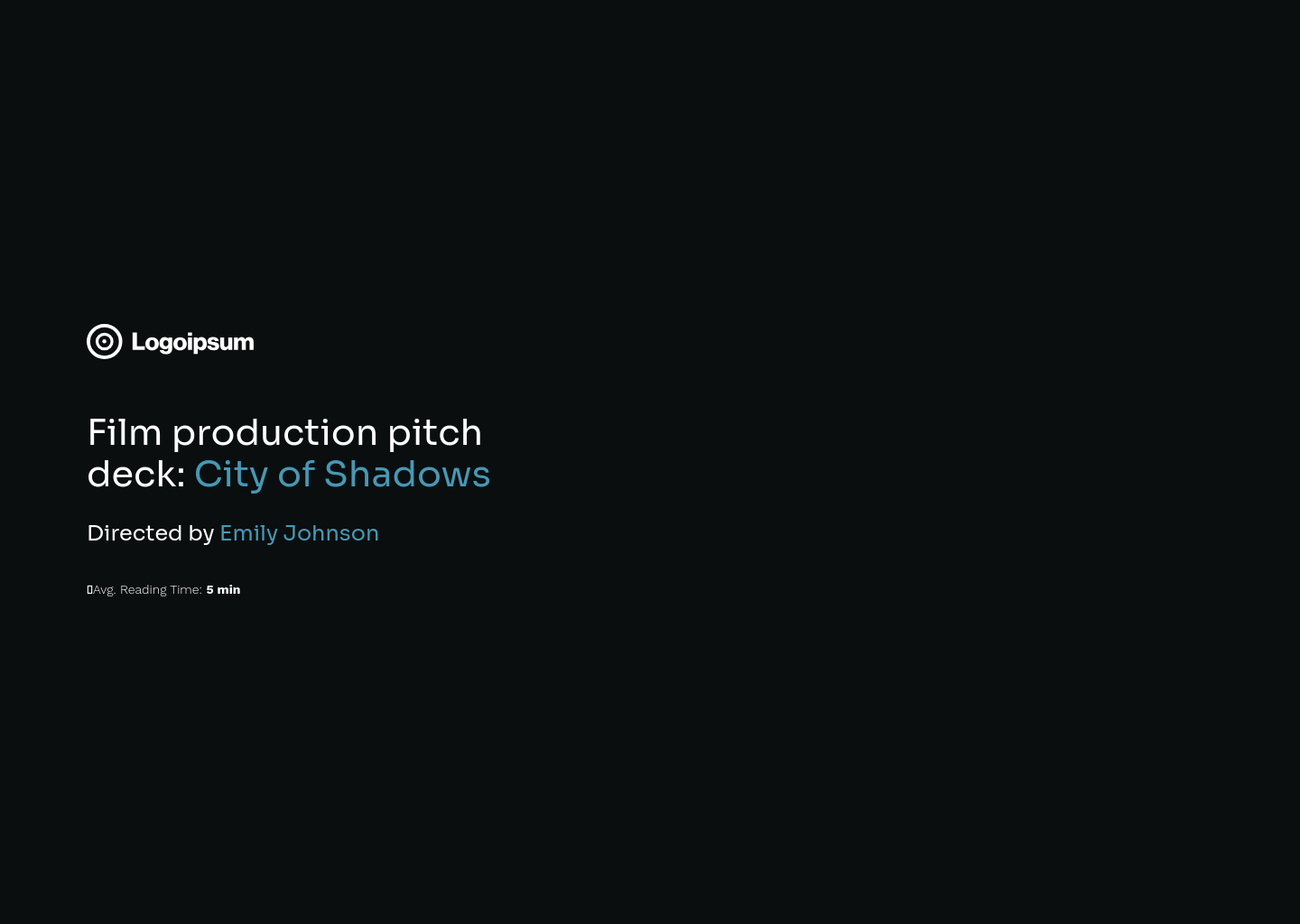
Most film pitch decks are just static PDFs filled with text and images. It’s not the best way to showcase something so visual.
To stand out, filmmakers are turning to interactive decks. With these, you can embed concept trailers, attach scripts, and include lookbooks. It lets people explore the project at their own pace, rather than flipping through a dull document.
It’s a much more engaging way to share your vision and get people excited about the film.
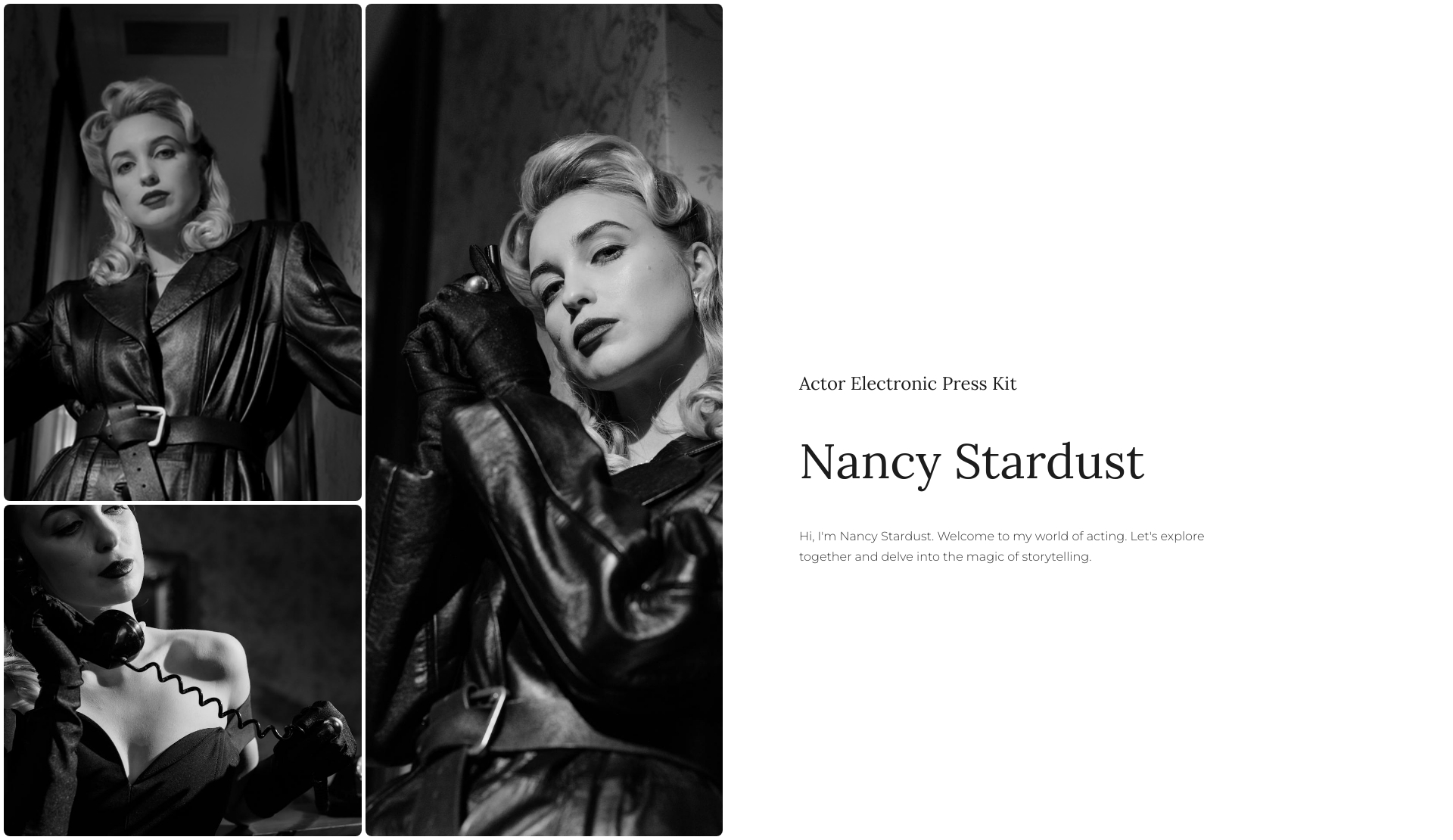
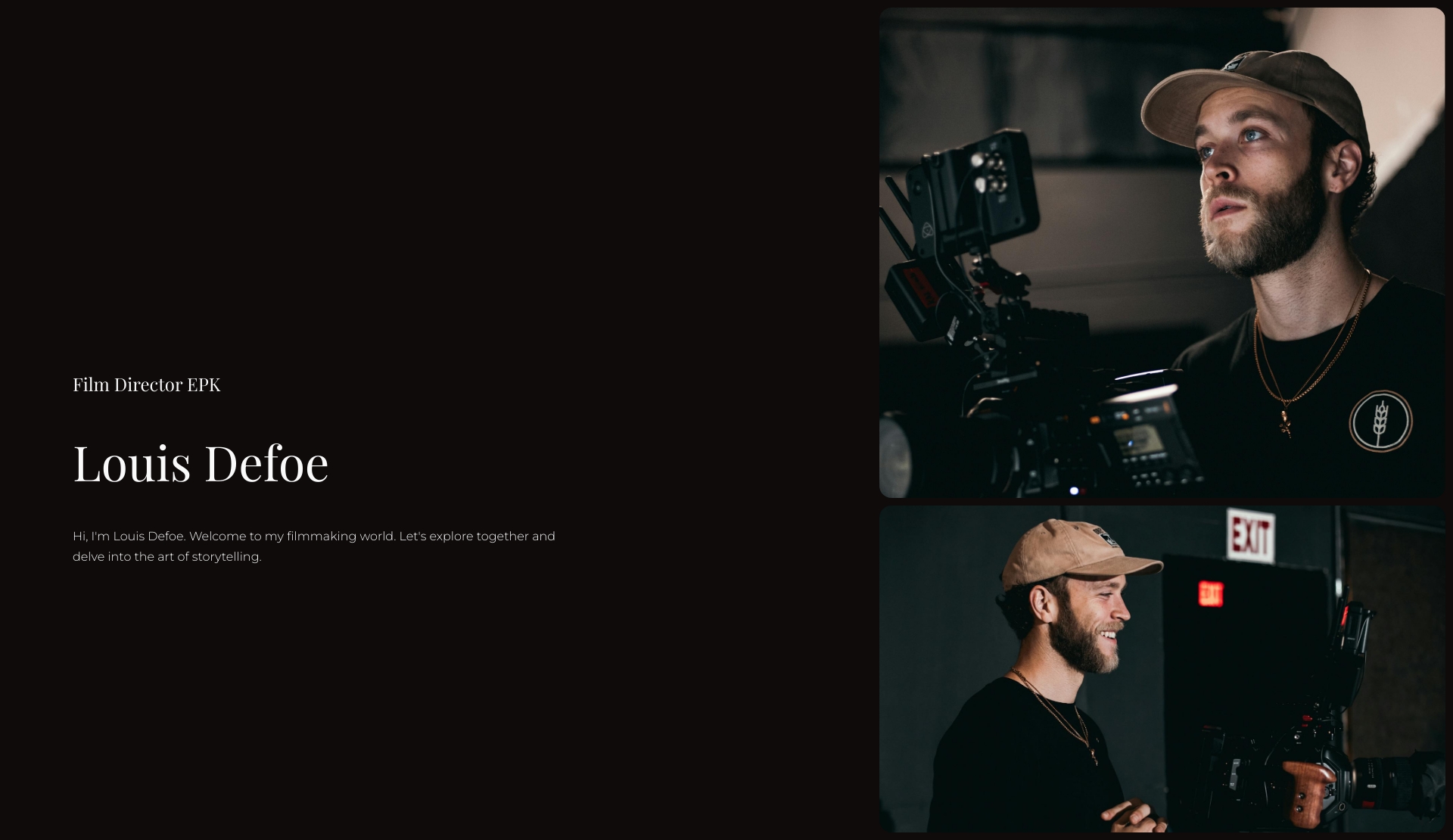
Here’s what an interactive film pitch deck looks like:

Scroll to preview
How to create a film pitch deck slide by slide
Writing your film pitch deck is a bit like writing a script—you want to grab attention and keep it. Each slide should flow into the next, telling a story that pulls people in.
With the right mix of visuals and key points, you can create a deck that really shows off what your film is all about.
Here’s how you can write your film pitch deck slide by slide.
How to structure a film pitch deck?
- Title slide
- Logline
- Executive summary
- Synopsis
- Director’s statement
- Characters
- Visual style and tone
- Moodboard
- Production plan and timeline
- Budget
- Financing plan
- Comparable films
- Target audience and market
- Marketing and distribution plan
- Team
- Concept trailer
- Appendices
- Contact slide
1) Title slide
The title slide is your first chance to make an impression. Include your film’s title, your name, and a strong image that captures the essence of your story.
Keep it simple yet striking—think of it like the cover of a book. This slide should instantly give a sense of your film’s vibe, setting the mood for what’s to come.
2) Logline
Your logline is a quick summary of the story that hooks your audience. Think of it as the “elevator pitch” for your film. It should be clear, compelling, and no longer than 2 or 3 sentences.
For example: “A grieving musician discovers a magical guitar that brings his songs to life, but it comes at a dangerous cost.”
or: “A retired detective is drawn back into the game when a serial killer he once chased resurfaces, leaving clues only he can decipher.”
Keep it intriguing and give just enough to make them want more.

3) Executive summary
This is a brief overview of your film, covering the genre, format, main themes, and why it’s unique. Highlight what makes your film stand out and who it’s for.
Keep it concise but make sure it leaves them with a clear idea of what the film is about and why it’s worth making.

4) Synopsis
Here, you dive a little deeper into the story. Outline the key plot points and character arcs, but keep it brief. Give a sense of the beginning, middle, and end without revealing every twist and turn.
The goal is to convey the emotional journey and overall narrative flow without overwhelming with details.
5) Director’s statement
This is your chance to get personal. Share why this story matters to you and why you’re passionate about making it. Explain your vision for the film and what you hope to achieve.
Be honest and let your enthusiasm shine through. This slide should show why you’re the right person to tell this story and what makes your perspective unique.
6) Characters (Optional: Cast wish list)
Introduce your main characters and what makes them interesting. Give a quick sense of their personalities and arcs.
If you have a cast wish list, include headshots of the actors you’d love to see in these roles. If they’re all well-known, you can skip the names. If not, add names to all for consistency.
You can also include short notes on why you chose each actor, and make sure it fits within your film’s budget.
For example, don’t include Meryl Streep if your budget is only $5 million—it should feel realistic.
7) Visual style and tone
Describe how you want the film to look and feel. Talk about things like the colour palette, camera work, and overall atmosphere.
Mention any films, photography, or art that inspired you. This slide helps people imagine the movie in their heads.
For example, if your film is a blend of genres or styles, you might describe it as “The whimsical charm of ‘Amélie’ meets the gripping suspense of ‘Inception’.”
This kind of comparison can quickly give investors a clear idea of the unique visual and thematic blend you’re aiming for.
Be specific but keep it simple. You want them to feel the vibe of the film even before they see it.
8) Moodboard
A moodboard gives a visual snapshot of your film’s world. Think of it as a collage that captures the film’s look and feel at a glance.
Include anything that visually represents your vision—whether it’s lighting styles, wardrobe inspiration, or scenery. If you have specific locations in mind, add images of those too.
This can help people imagine the settings and overall vibe you’re creating. The goal is to evoke the mood of your film in a way that words can’t quite capture, making it easy for others to get a sense of what you’re aiming for.
9) Production plan and timeline
Outline your plan for bringing this film to life. Break it down into phases: pre-production, shooting, post-production, and release.
Include rough dates for each stage to show you have a realistic timeline in mind. This slide shows that you’re not just dreaming—you have a concrete plan for making this film happen.
10) Budget
Give a basic breakdown of your budget, focusing on major categories like cast, crew, equipment, media and entertainment software, and post-production.
You don’t need every detail, but you do want to show you’ve thought it through.
11) Financing plan
Share how you plan to raise the money for the film. Mention any funding sources you’ve already lined up, like digital banking institutions, grants or crowdfunding, and explain what you’re offering to investors.
Highlight the potential return on investment (ROI) and include details about the recoupment waterfall—how and when investors will get their money back.
This shows you’ve thought through the financial aspects and have a clear strategy for making the film profitable.
12) Comparable films
List a few films similar to yours in terms of genre, style, or audience. This helps give a sense of where your film fits in the market.
Include a brief note on why you chose these films—maybe they were box office hits or cult classics. This shows potential investors the commercial potential and marketability of your project.

13) Target audience and market
Who is your film for? Describe your ideal audience in terms of age, gender, interests, or other demographics.
Explain why this group will connect with your film and how you plan to reach them. This slide shows you’ve thought about who will watch your movie and how you’ll get them to see it.

14) Marketing and distribution plan
Outline how you plan to get the film out into the world. Mention film festivals, streaming platforms, or theatrical releases you’re aiming for.
Share any marketing strategies, like social media campaigns or trailers, you plan to use. This slide shows you’re thinking beyond just making the film—you have a plan to get it seen.
15) Team
Introduce the key players involved in making the film. Include short bios for each, highlighting their experience and past successes.
If they’ve won awards or worked on notable projects, mention that here. This helps build trust and shows that the film is in capable hands.

16) Concept trailer
If you have a concept trailer or teaser, this is the spot to include it. It’s a great way to give a taste of the film’s style and tone.
Keep it short but impactful. If you don’t have a trailer, consider using test footage or a sizzle reel. This gives people a visual and emotional sense of what the final film could be.
17) Appendices
This is where you can include any extra materials that support your pitch, like a budget top sheet, letters of intent, location photos, or a script.
Only include what’s truly helpful and relevant. Think of this section as the supporting evidence that backs up everything you’ve said so far.

18) Contact slide
A strong conclusion is just as important as your opening. It’s the final moment that sticks with your audience and encourages them to take action.
Whether you want them to set up a meeting, review your script, or consider investing, your call to action should be clear and straightforward. Use decisive language and make it easy for them to know what to do next.
One idea is to embed your calendar directly into the pitch deck. This way, potential investors or collaborators can see when you’re free and book a meeting with you right away.

Interactive film pitch deck templates
Staring at a blank slide can be daunting, even for the most creative minds. So let our interactive film pitch deck templates lead the way.
These templates provide a solid foundation and were optimized based on real-world performance. They’re completely customizable, allowing you to infuse your unique vision while maintaining an effective structure.
Grab one!
Tips on how to create a film pitch deck
Now that you know how to create each slide of your film pitch deck, it’s time to go over some practical tips to help you along the way.
From structuring your deck like a story to personalizing it to different audiences, these tips will help your pitch stand out and resonate with those who have the power to turn your cinematic dreams into reality.
1) Dive deep into your project
Before anything else, immerse yourself completely in your project. Understand every nuance of your story, from the overarching themes to the minute details of your characters and settings.
This depth of knowledge will lend authenticity and richness to your pitch, making it more compelling.
2) Conduct thorough research
Begin with extensive research. Look into similar films or shows, market trends, and audience preferences.
This step is crucial not just for understanding your competition but also for identifying gaps your project can fill, and trends it can capitalize on.
3) Create a narrative flow
Your pitch deck should narratively unfold like your film would. Start by setting the scene, introduce the main characters, outline the conflict, and give a sense of the journey and resolution.
This flow helps your audience visualize the film and connect with its story.
Here’s our recommended pitch deck storyline:

4) Focus on the “why”
Many pitch decks fall into the trap of simply laying out the plot without addressing why the film matters. While the story is important, you need to show why this film should be made now and what makes it unique.
Investors and collaborators want to understand the bigger picture—how it stands out in the market, why it will connect with audiences, and its potential financial success.
Your deck should go beyond the narrative to highlight the film’s relevance, the passion behind it, and its potential impact.
By focusing on the “why,” you make a stronger case for why your film deserves attention and support.
5) Address potential risks
Acknowledge and address potential risks in your project. This could include budget overruns, production delays, or market changes.
Show that you have thought about these risks and have plans to mitigate them. This level of foresight can significantly enhance investor confidence.
6) Tailor your pitch to different audiences
When it comes to pitching your film, one size does not fit all. Different investors and producers have varied interests and priorities, and understanding these nuances can make or break your pitch.
Here’s how to tailor your pitch:
- Studio executives: Focus on marketability, potential for return on investment, and audience appeal. Highlight aspects like genre trends, potential for sequels, or merchandising.
- Independent investors: Emphasize the creative aspects, unique storytelling elements, and artistic vision. Discuss how your project stands out creatively in the current market.
- Equity investors: Concentrate on the financial returns. Provide detailed market analysis, expected revenue streams, and a clear exit strategy.
- Producers: Align your pitch with their past projects and interests. Show how your project fits into their portfolio and meets their artistic and commercial goals.

