Writing a Winning Brand Collaboration Proposal (+Examples)
Learn how to write a brand collaboration proposal to win marketing partnerships. Explore examples and get customizable collaboration proposal templates.
Co-marketing proposals: Focus on joint campaigns where brands share resources to promote products or services, such as co-branded ads, social media collaborations, or events.
Co-branding proposals: Detail partnerships where two brands create a new, shared product or service, blending their identities to appeal to both audiences.
What does a collaboration proposal look like?
Most traditional collaboration proposals are plain Word documents packed with text about the partnership’s scope and objectives or basic slide decks with bullet points.
Sure, they’re simple to create and share, but they’re clunky to edit, hard to view on mobile, and unlikely to leave a lasting impression.
These days, modern companies are switching to interactive decks. They pull in branding directly from websites, include interactive charts, and feature multimedia like before-and-after comparisons.
The result is a proposal that’s informative, but also engaging and memorable—perfect for standing out in a competitive landscape.
Here’s an example of an interactive brand collaboration proposal:
How to write a brand collaboration proposal that sells value
A great brand collaboration proposal doesn’t just explain the partnership—it sells its value.
It’s about showing exactly why this partnership benefits both sides, with clear goals, mutual benefits, and a strategy that’s impossible to ignore.
In this section, I’ll walk you through how to create each slide, step by step, to create a proposal that stands out and seals the deal.
What to include in a brand collaboration proposal?
Title slide
Cover letter
Company overview
Collaboration overview
Target audience
Key benefits
Key success metrics
Collaboration details and deliverables
Timeline
Budget and financial projections
Case studies
Team
Terms and Conditions
Contact slide
1) Title slide
Your title slide is where the collaboration begins—make it feel like one.
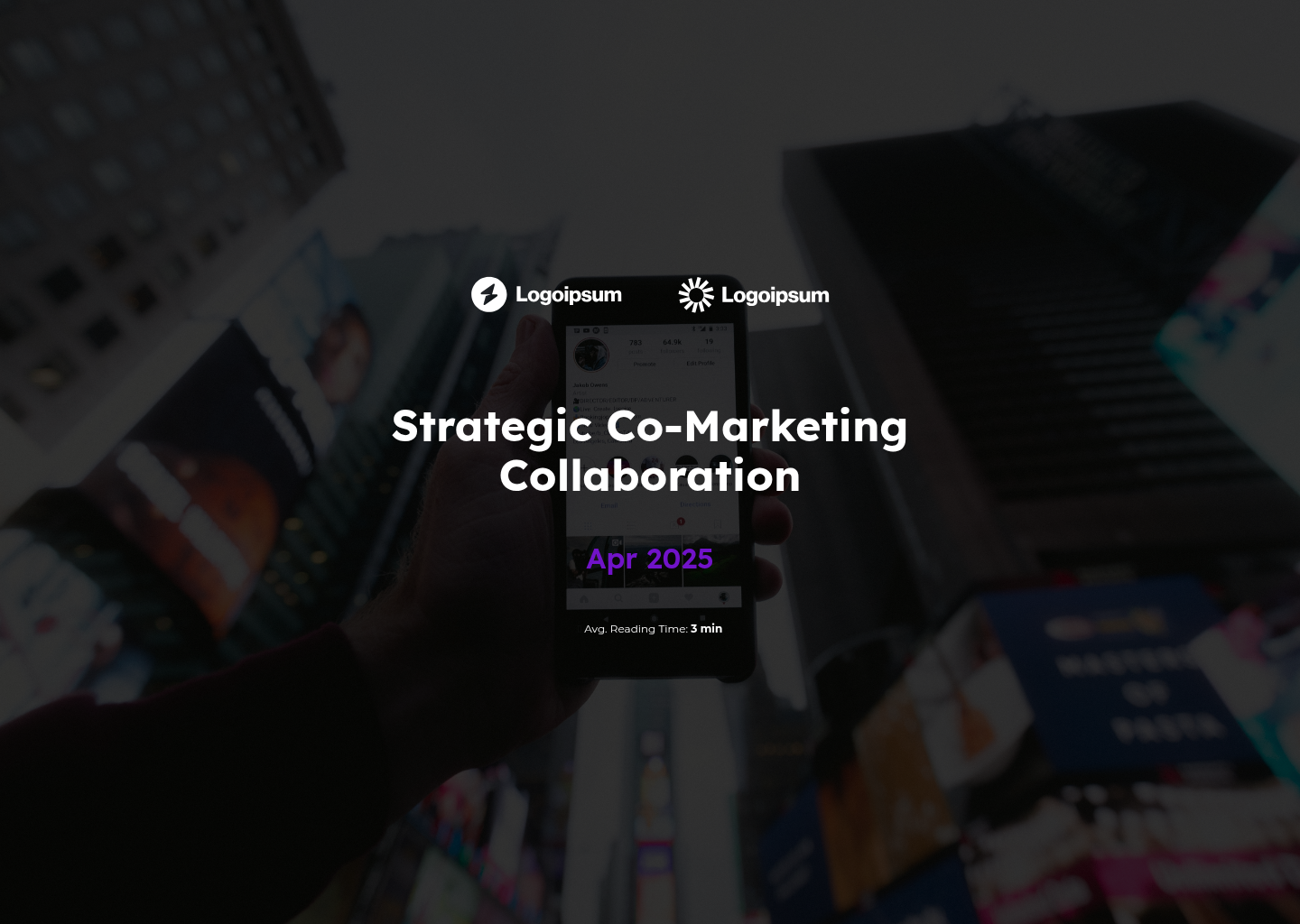
Place both logos side by side to signal partnership and add a clear, straightforward project title like “Joint Marketing Campaign: [Your brand] x [Their brand].”
A strong title instantly sets the stage, while a simple tagline or campaign theme can give a little extra spark that pulls them in.
Don’t assume they know who you are. Use this slide to give a quick, clear snapshot of your brand—who you are, what you do, and why you’re a great partner for this collaboration.
Make it less “about us” and more “why us,” with a focus on your strengths that align with the campaign goals.
If you have something relevant that’s worth sharing, you can also consider adding a standout stat or recent success to make it memorable without overloading the slide.
This is the “why” and “what” of your partnership. Explain the purpose of the collaboration, the goals you’re aiming to achieve together, and how the campaign will work.
Keep it mutual—show how it benefits both brands.
For example, “Together, we’ll create a co-branded social media campaign to drive engagement and attract new customers for both sides.” Stay clear and concise.
Knowing the audience is key for marketing collaborations. Highlight the demographics, behaviours, and pain points of the group you’re targeting.
Go beyond generic descriptions like “millennials” and get specific: “Style-savvy women aged 18-35 who shop online and engage heavily on Instagram and TikTok.”
Show how both brands can reach, engage, and add value for this audience.
Include an itemized budget (e.g., content creation, influencer fees, ad spend) and show how you’ll split the investment if needed.
Follow up with projected ROI: “With a $25K total investment, we’re aiming for a 3x return, delivering $75K in sales.” It builds trust and confidence in the partnership.
If you’ve done similar collaborations before, this is your chance to show them off.
Include a quick success story: “We partnered with X Brand to run a co-branded campaign that increased social engagement by 40% and generated $50K in sales.”
Use visuals, like campaign photos or engagement stats, to make it more compelling.
Introduce the key players on your side who will make this partnership a success. Keep it short—include names, roles, and a line about what they bring to the table.
For example: “Sarah James, Campaign Lead: 10+ years of experience running high-impact co-marketing campaigns.”
Show your partner that you’ve got a capable team ready to deliver.
Keep this clear and professional—no one likes surprises. Outline the key terms of the partnership, like responsibilities, timelines, and ownership of deliverables.
If this is a final-stage proposal, consider adding an e-signature option to keep things easy and actionable.
Brand collaboration proposal examples that persuade partners
Now that we’ve covered how to create a successful collaboration proposal, let’s see what it looks like in practice.
I’ve picked a few samples that really stand out in different ways. Let’s see why they work so well. If you find one you like, the good news is they’re all set to use as templates.
Brand cooperation proposal
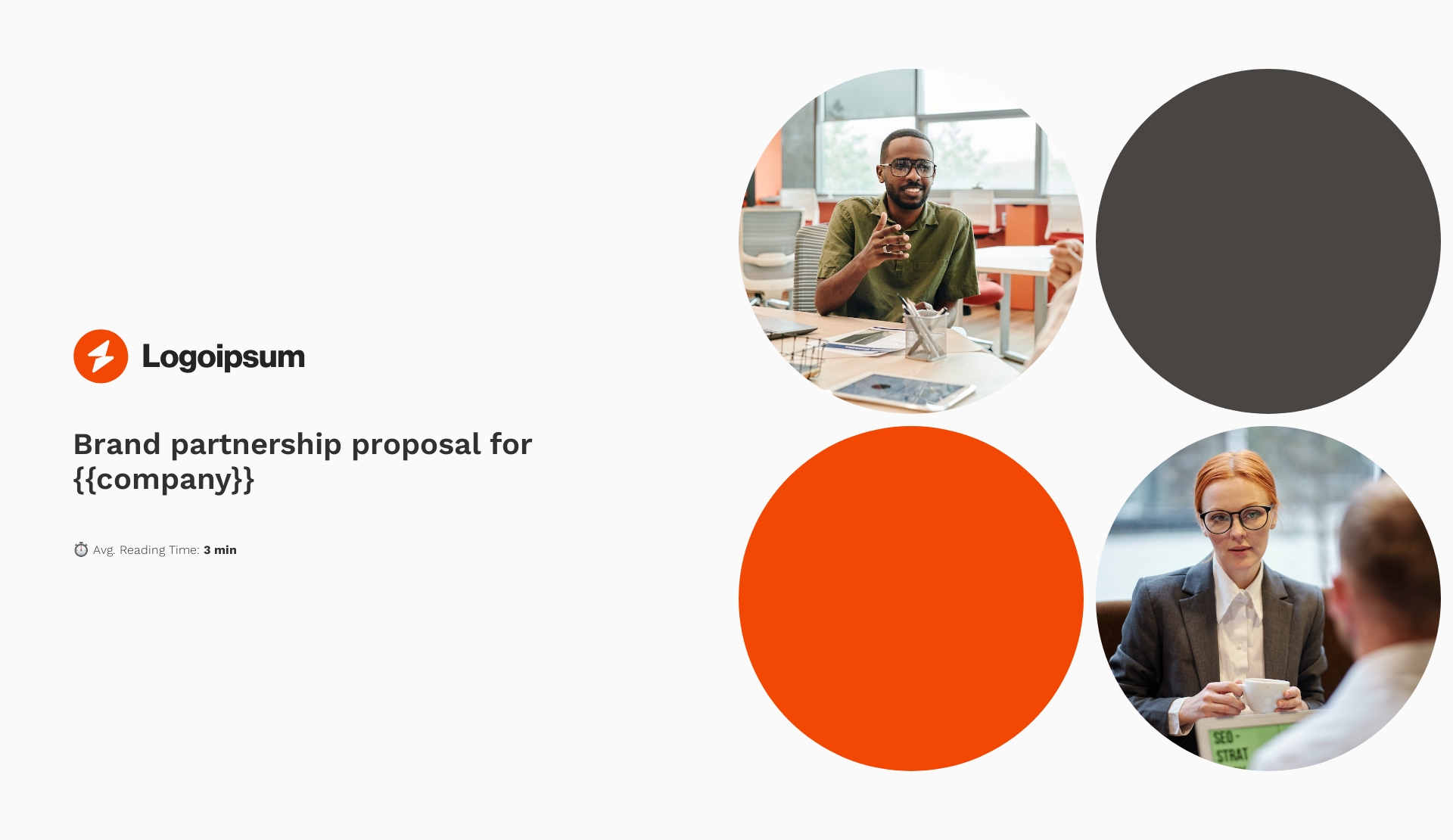
The first thing that grabbed my attention was the cover slide—it’s highly personalized without being over the top.
There are spots for logos and customizable tags for your potential partner’s name, like {{company}} and {{Prospect_name}}, which instantly makes it feel tailored.
What I loved most is how ridiculously easy it is to personalize. Just pop in the company’s URL, and the logos populate automatically—no stress about resizing, clashing backgrounds, or hunting for the right design.
You can even pull full branding elements straight from the website. And if you’re using a CRM, it gets even smoother—you can autofill names, company details, and more directly into the proposal.
This brand partnership proposal was originally built for a hotel partnering with a beauty brand, but it’s flexible enough to work for just about any collaboration.
What stood out to me was the project overview section. The “read more” button is such a smart touch—it lets you include all the details you need without overwhelming the main view.
I also loved the way the objectives section is split into two clean, side-by-side parts.
It makes it so easy to compare each brand’s marketing goals at a glance and spotlight the shared benefits. Simple, clear, and effective—exactly what you want in a proposal.
This collaboration proposal was designed for a restaurant teaming up with a food brand on a limited-time menu, but it’s versatile enough for any brands launching a limited edition release.
What I really liked was how the partnership details slide lays out each side’s responsibilities so clearly, followed by a timeline that maps out every phase of the collaboration.
But my favourite? The promotion strategy slide. It breaks down exactly how the partnership will be marketed across different channels, which is incredibly useful for any marketing-focused collaboration.
It’s practical, actionable, and perfect for getting both teams on the same page.
This brand partnership proposal stands out with a slightly different focus—it’s all about co-branding.
The first half follows a familiar structure, but what I really appreciate is how it includes every detail without feeling overwhelming.
For example, the next steps section is neatly organized with expandable text sections that let you get more information without cluttering the main view.
The real star, though, is the option to add set of dedicated branding slides from the library. They let you showcase your brand’s colours, typography, and even embed files like a full brand book or multimedia assets.
If you’re pitching a co-branding partnership, this deck has everything you need to make a polished, professional impression.
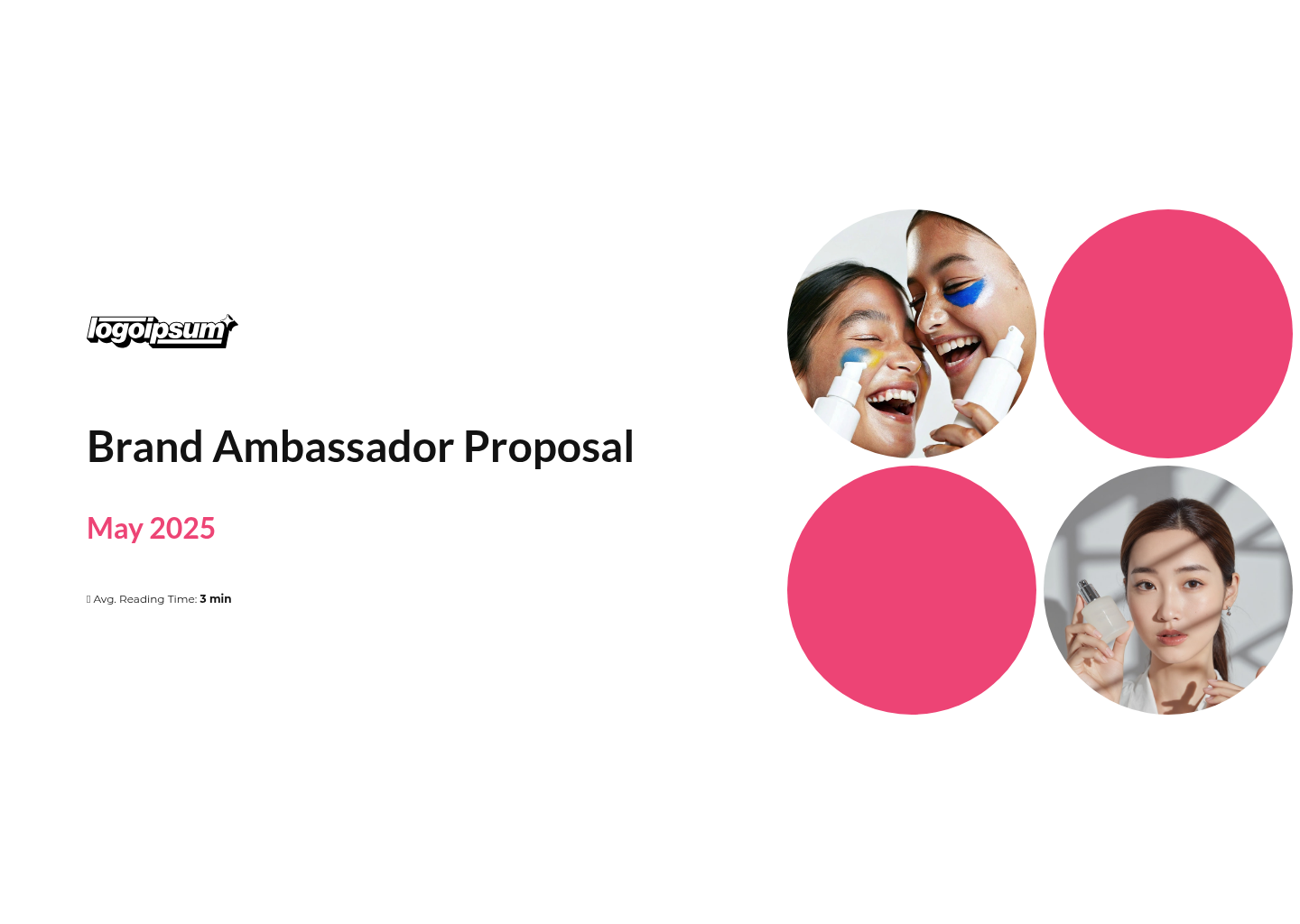
This collaboration proposal example is tailor-made for a very specific kind of partnership: brand ambassadorships.
Whether you’re pitching to a potential ambassador or setting up an influencer partnership, it hits all the right notes.
What I really like is how it handles the terms and conditions. They’re displayed on a dedicated slide, complete with an e-signature feature, so you can seal the deal right then and there.
I also loved the embedded calendar. It makes setting up a follow-up meeting a breeze—no back-and-forth emails needed.
Create your collaboration proposal from a template
Presenting your own company is a challenge, but showing two companies and highlighting mutual benefits? That’s a whole new level of tricky.
Balancing value for both sides while making your proposal stand out from competitors can feel overwhelming.
Interactive collaboration proposal templates give you a structured starting point—you simply add your details and tweak the design to match your combined branding.
It’s a massive time-saver and ensures your proposal looks polished, professional, and ready to impress.