How to Write a Game Proposal Publishers Love (+Examples)
Learn how to write a game proposal that publishers can’t resist. Dive into effective examples and templates that will set your pitch apart from the rest.
Having a great game idea feels like striking gold, but in the world of game development, it’s just the start.
The gaming industry is full of creative minds, each believing their game idea is the next big hit. What really makes a difference is how you present your concept to publishers.
The difference between a proposal that opens doors and one that gets lost in the shuffle often comes down to the strength of its presentation.
In this blog post, I’ll show you how to transform your game idea into a compelling pitch with practical advice, examples, and templates.
Whether you’re new to game development or looking to improve your pitching skills, I’m here to help you create a proposal that stands out to publishers and gets your game the spotlight it deserves.
Let’s get started!
What are the elements of a game proposal?
Crafting a game proposal is like assembling a puzzle; each piece is crucial to seeing the full picture. Here’s how to piece together a proposal that captures both the essence of your game and the attention of your audience.
15 essential chapters of a game proposal:
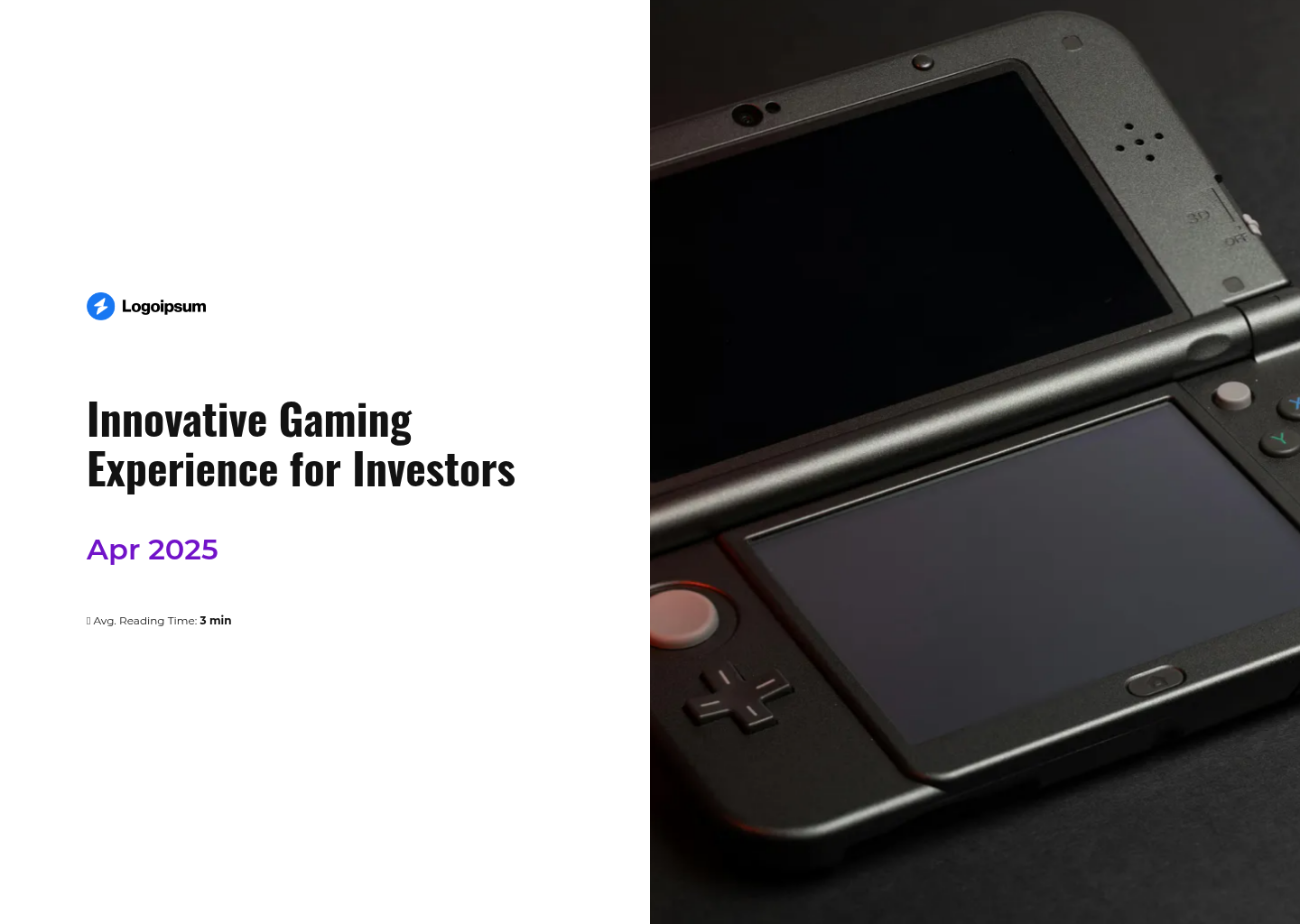
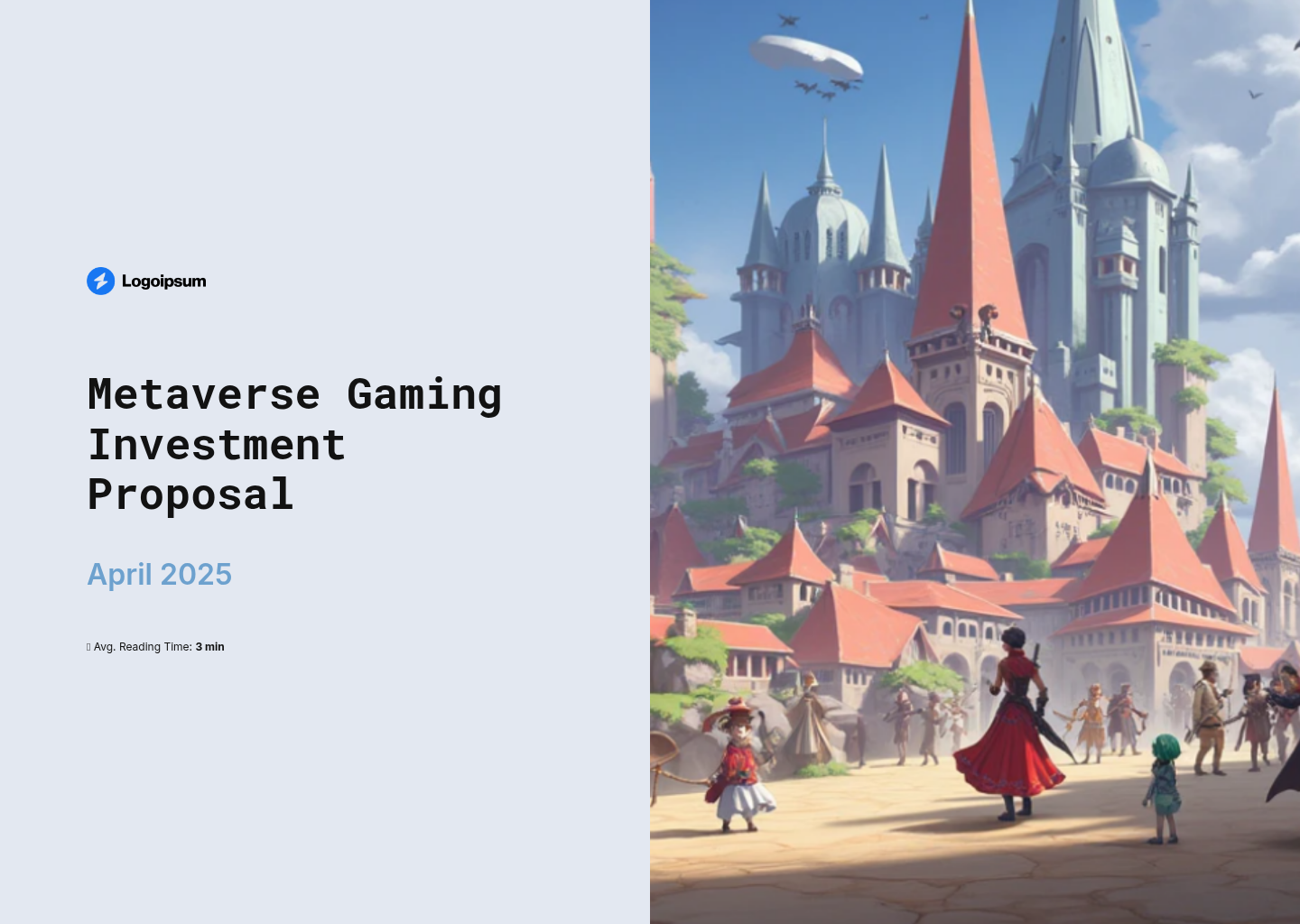
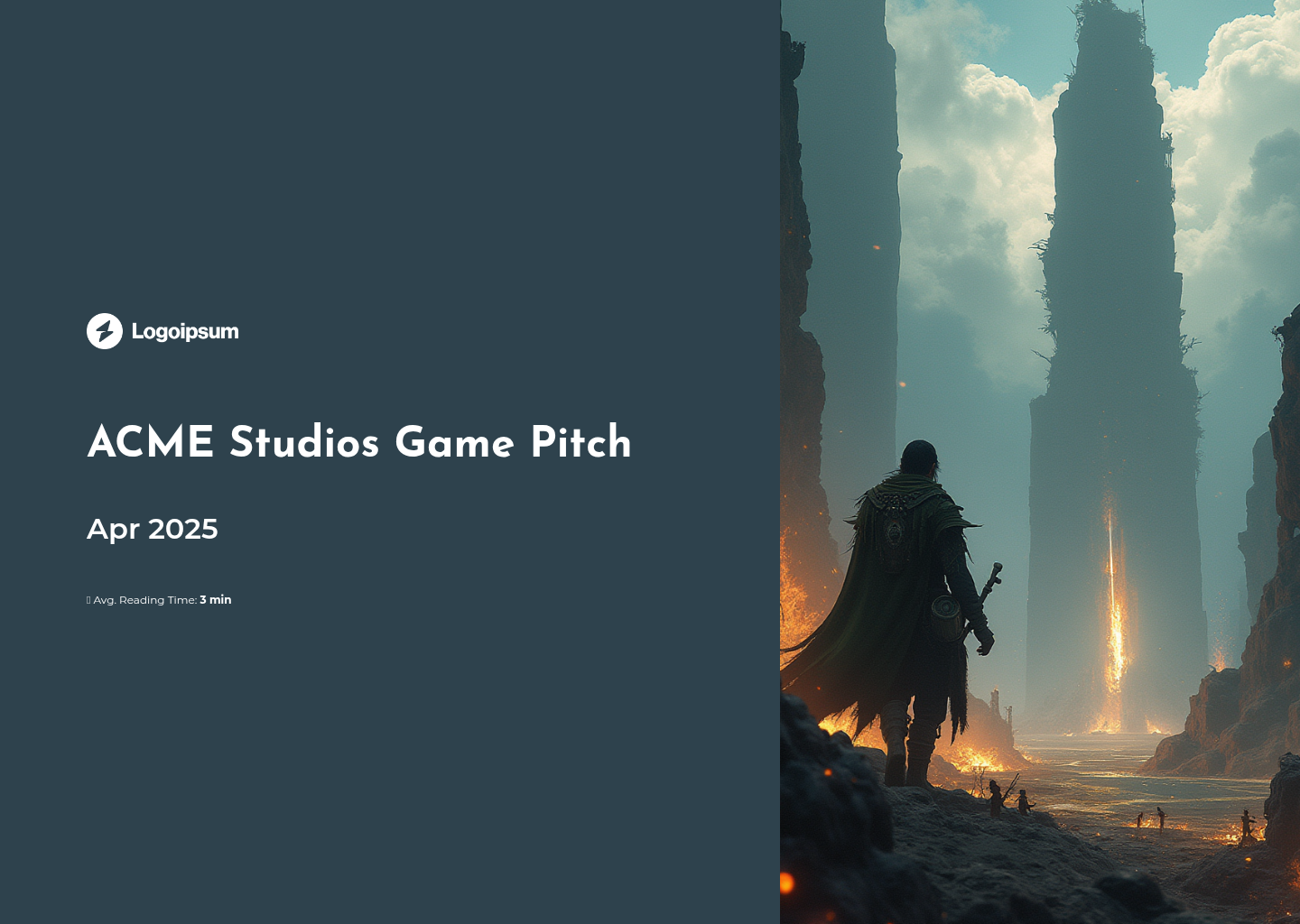
Title slide: Kick things off with your game’s name, a standout logo, and an image that grabs attention and sets the mood.
Introduction slide: Introduce your team, sharing your passion for gaming and the unique experiences that fuel your project.
Game concept: Delve into what sets your game apart. Paint a picture of its concept and the fresh perspective it offers.
Gameplay mechanics: Clarify the gameplay, focusing on mechanics and player experiences that make your game truly engaging.
Story and characters: If your game is driven by its narrative, bring the story and characters to life with vivid descriptions.
Art and design: Highlight the game’s visual style and design elements that define its look and feel.
Target audience: Identify who your game is for and explain why it will capture their hearts.
Market analysis: Share insights on market trends and where your game fits, backing your vision with solid research.
Marketing and sales strategy: Lay out your plan for marketing your game and how you intend to reach your audience.
Development timeline: Provide a realistic timeline for your game’s development, showing key milestones and phases.
Budget and financials: Be open about your financial needs and future projections to establish credibility.
Competitive analysis: Position your game against competitors, spotlighting what gives your game an edge.
Technical details: For tech-heavy projects, include information on platforms and system requirements.
Demo or prototype: If you have something playable, a demo or prototype can be a powerful way to demonstrate your game’s potential.
Next steps slide: Conclude with your needs (funding, partnerships) and make it easy for producers and investors to take the next step after viewing your proposal.
Feeling overwhelmed by all the details? Fear not. I’m here to guide you through transforming this extensive checklist into a game proposal that resonates with publishers and investors alike.
What are the main types of game proposals?
In the game development process, choosing the right type of proposal can be as strategic as the game design itself. Each type targets a specific stage of development or audience, from sparking initial interest to securing funding.
Here’s a closer look at the key varieties of game proposals you’ll craft on your path to success.
5 key types of game proposals:
The starting line for your game’s journey. This proposal introduces your initial ideas, aiming to generate excitement and buy-in for the concept’s potential.
Think of this as your game’s blueprint. It’s a comprehensive plan that covers everything from the development timeline to the budget, laying out the roadmap for turning your concept into reality.
Tailored for the eyes of potential backers, this presentation highlights the market appeal and financial potential of your game, designed to secure the investment or publishing deals necessary for development.
This document dives deep into the heart of your game, detailing the design, mechanics, and the unique gameplay experiences players can expect. It’s the core of what makes your game tick.
For games that rely heavily on specific technologies or software, this proposal highlights the technical requirements and solutions. It ensures that the technical foundation of your game is solid and feasible.
What does a successful game proposal look like?
The old-school way of pitching game ideas included documents filled with text and the occasional image, all packed into PDFs or PPT presentations. These traditional methods fail to capture the excitement and potential of a game idea.
Modern game proposals invite publishers to dive into your game world. By embedding demos, incorporating clickable prototypes, or adding interactive storyboards, these proposals offer a window into what makes your game special.
Letting readers feel the thrill of the gameplay is a powerful way to demonstrate your team’s creativity and technical capabilities, turning your pitch from a simple presentation into an unforgettable experience.
Here’s what a successful game proposal looks like:
With so many game ideas out there, writing a standout proposal is often what makes the difference between getting noticed and getting overlooked. Let’s explore how you can write a game proposal that outshines the rest, drawing from expert insights.
1) Start with a compelling executive summary
Think of the executive summary as the trailer for your game. It should be exciting, concise, and packed with the best aspects of your project. Highlight the game’s core concept, what sets it apart, and why it’s going to succeed.
This is your first impression, so make it count by distilling the essence of your game into a few punchy sentences.
2) Identify your target audience
Knowing who will play your game is crucial. Describe your ideal players—their interests, what games they like, and why they’ll love your game.
Demonstrating a deep understanding of your audience’s preferences shows that you’re creating a game with a clear market in mind, increasing its chances for success.
Here’s what a target audience slide should look like:
A solid market analysis proves there’s room for your game. Discuss current trends, potential competitors, and how your game fills a gap or offers something better.
This section should reassure stakeholders that there’s a demand for your game and that you have a strategy to carve out your niche.
4) Clearly define your game concept
Here’s where you get to share the big idea. What’s your game about? What’s the setting, and how does it play? This is your opportunity to show off the uniqueness of your game.
Describe it in a way that anyone, gamer or not, can get excited about. Your passion for the game should shine through, making the reader eager to learn more.
5) Outline the gameplay mechanics
The mechanics are what make your game playable and enjoyable. Go beyond the basics by explaining how these mechanics create a unique and compelling player experience.
Discuss the balance between challenge and reward, the pacing of the game, and how each mechanic contributes to the overall narrative or theme. This shows you’ve thought deeply about player engagement and satisfaction.
6) Present a strong narrative and character development
Describe the journey players will go on, the characters they’ll meet, and the conflicts they’ll resolve. Share your vision for how the story unfolds through gameplay, creating an immersive experience that players will want to return to.
7) Showcase art and visual style
Include concept art or mood boards that capture the game’s aesthetic. Discuss how the art style enhances the game’s mood, setting, and story.
This is also a chance to highlight any innovative visual techniques or technologies you’re using, showing your game’s visual ambition.
Here’s an example of how you can showcase visual style:
How will you get your game into players’ hands? Will you work with a mobile user acquisition consultant? Outline your plan for promoting your game and where it will be available. A solid marketing strategy demonstrates you’re thinking about how to make your game a success from the start.
9) Provide a detailed development timeline and budget
Be open about how long your game will take to develop and how much it will cost. This shows you’re realistic and have a plan for turning your idea into a finished game.
If possible, a prototype or demo is your ace in the hole. It allows stakeholders to experience your vision firsthand, providing a powerful argument for your game’s potential. This tangible proof of concept can significantly strengthen your proposal’s impact.
11) Conclude with a call to action
Finish strong by inviting stakeholders to take the next step, whether that’s a meeting, a demo playthrough, or further discussions. A clear call to action keeps the momentum going, turning interest into action.
Mistakes to avoid when creating your game proposal
Navigating the game development landscape can be as thrilling as it is daunting, especially when it comes to pitching your brainchild to those who can turn it from dream to reality.
Drawing from the wisdom of Erin Hoffman-John, a seasoned game designer and writer known for her candid insights into the gaming industry, I’ve compiled a list of crucial missteps to avoid in your game proposal that can dim the brightest of ideas.
1) Overestimating originality
Many game developers fall into the trap of believing their game idea is the first of its kind. While innovation is crucial, assuming your concept has no parallels can lead to overlooking existing games with similar themes or mechanics.
Do your research thoroughly to understand your game’s unique value proposition and how it stands out in a crowded market.
2) Ignoring the audience
A common mistake is designing a game based on what you think is cool, without considering the target audience’s preferences and gaming habits.
Know your audience—their likes, dislikes, and what they’re currently playing. Tailor your proposal to highlight how your game meets an unfulfilled need or desire within this group.
3) Underestimating development challenges
It’s easy to get caught up in the excitement of your game idea without fully considering the technical, financial, and time constraints involved in bringing it to life.
Be realistic about what it will take to develop your game, including potential hurdles and how you plan to overcome them. This shows potential backers that you’re not just a dreamer but a problem-solver.
4) Skimping on details
While you might fear boring your audience with too much information, providing too little detail can be just as detrimental.
Your proposal needs to convey a clear vision of your game, including gameplay mechanics, story, art direction, and how it all fits together. Without these details, stakeholders can’t fully grasp the potential of your idea.
5) Neglecting the competition
Failing to acknowledge and analyze your game’s competition is a significant oversight. Understanding where your game fits within the current landscape helps you identify opportunities for differentiation and potential challenges.
Include a competitive analysis in your proposal to demonstrate your awareness of the market and how your game offers something unique.
6) Lacking a clear monetization strategy
Many proposals gloss over how the game will make money, which is a critical aspect for investors and publishers.
Outline a clear monetization strategy that aligns with your game’s design and target audience. Whether it’s through direct sales, in-app purchases, subscriptions, or advertising, showing you’ve thought about the financial viability of your game is crucial.
7) Forgetting about marketing
Assuming your game will sell itself once it’s developed is a risky proposition.
Include a marketing plan in your proposal that outlines how you’ll generate buzz, engage with potential players, and maintain interest pre- and post-launch. This demonstrates a comprehensive approach to not just making a game, but making it a success.
8) Disregarding feedback
Lastly, being too attached to your original idea to the point of ignoring constructive feedback can be detrimental.
Be open to criticism and willing to adapt your proposal based on input from peers, potential backers, or focus groups. This flexibility can be the difference between a good game idea and a great one that gets funded.
Game proposal examples that publishers can’t ignore
The difference between a proposal that gets passed over and one that grabs a publisher by the lapels lies in its ability to tell a compelling story, showcase innovative gameplay, and demonstrate market understanding.
Below, we explore examples of game proposals that stand out not just for their creativity, but for their strategic approach to making their game irresistible to publishers.
Game design proposal
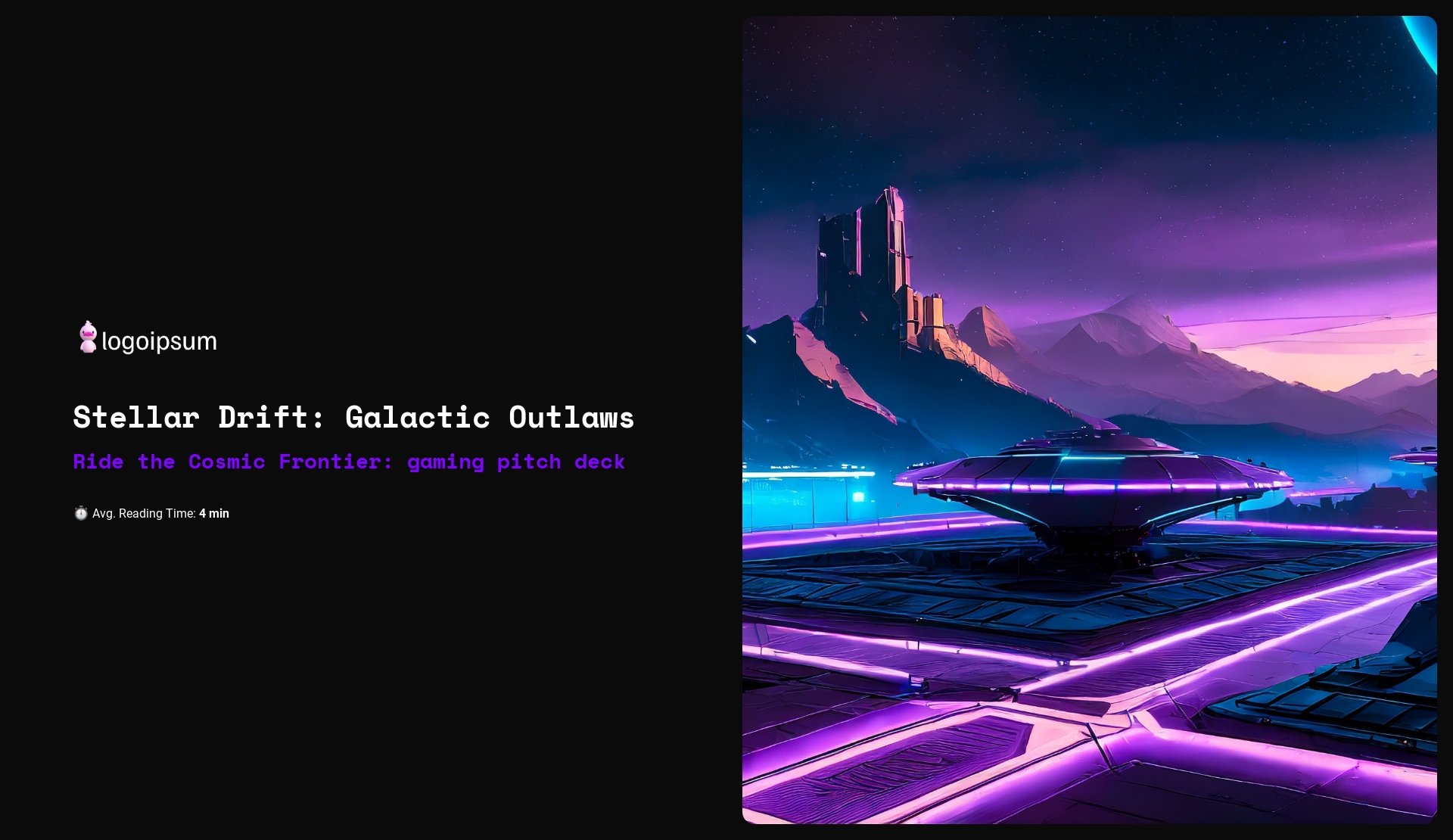
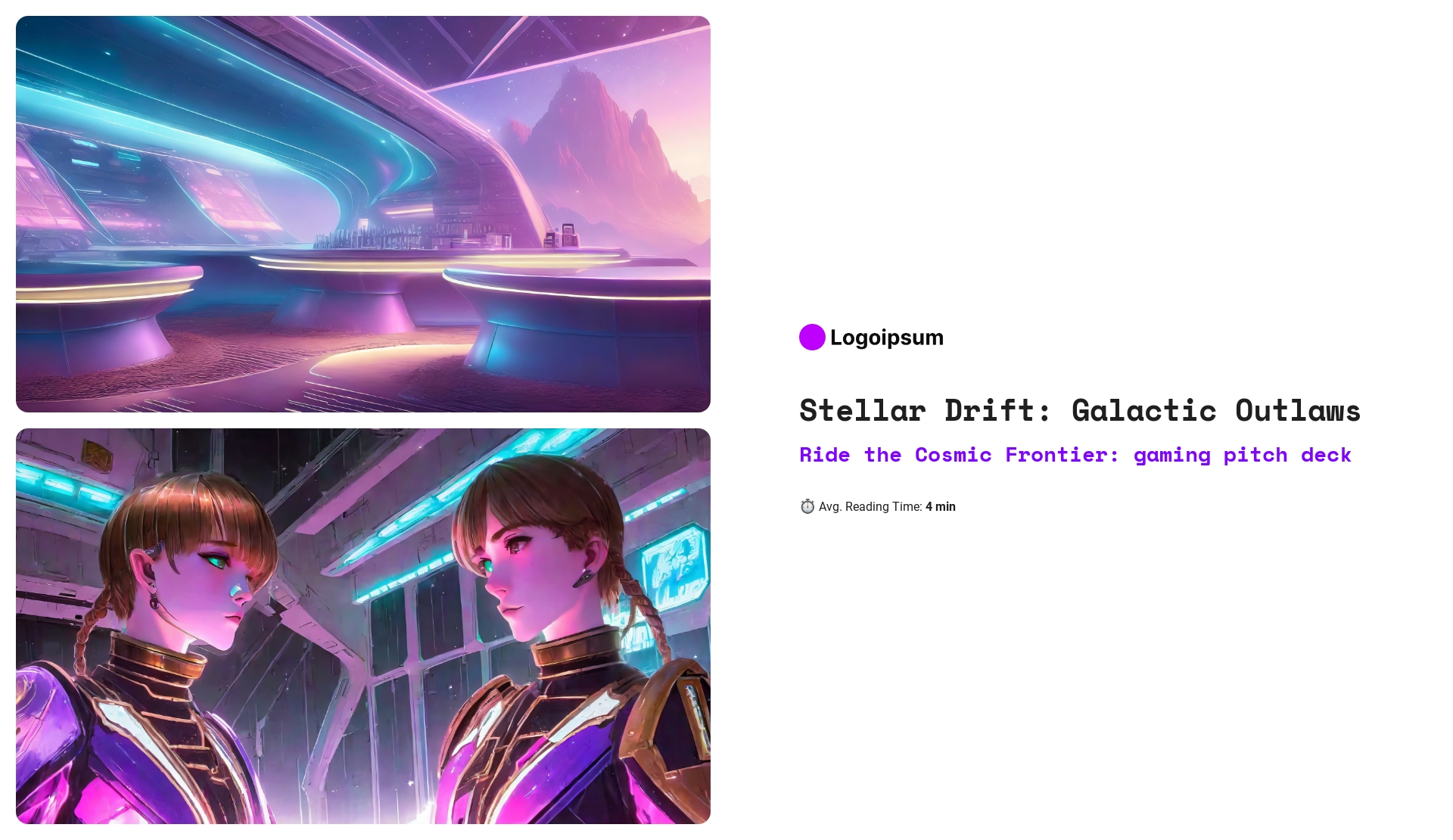
This game proposal presents a space western RPG that invites players on a cosmic odyssey, blending thrilling narrative depth with expansive gameplay.
Engaging storytelling: It captures the imagination with a gripping space western saga, promising adventure and intrigue.
Innovative gameplay: It introduces unique mechanics that blend exploration, strategy, and personalization, setting it apart from traditional RPGs.
Strategic market positioning: It clearly identifies its niche within the RPG genre, appealing to both hardcore fans and newcomers with its fresh approach.
Game development proposal
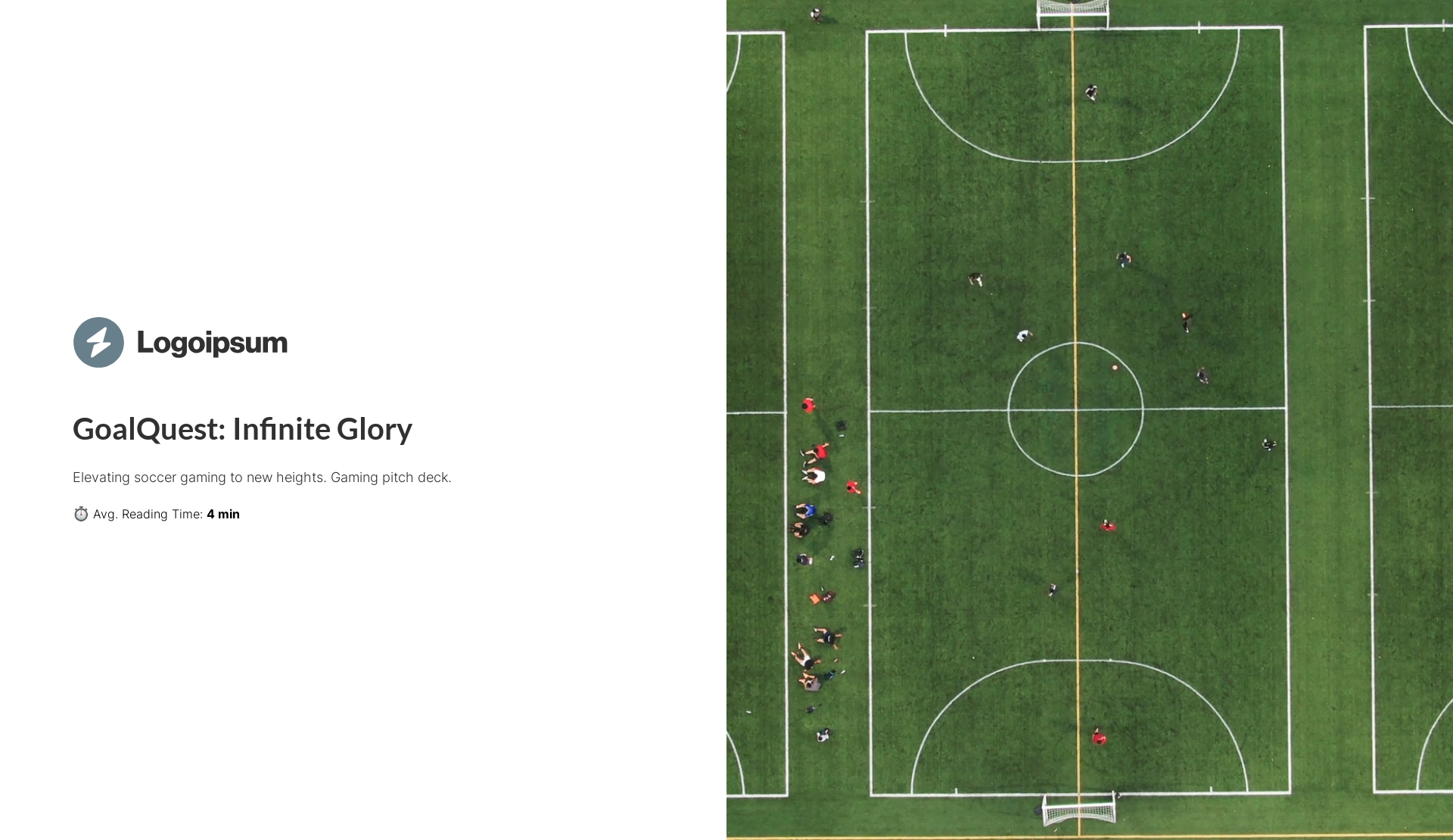
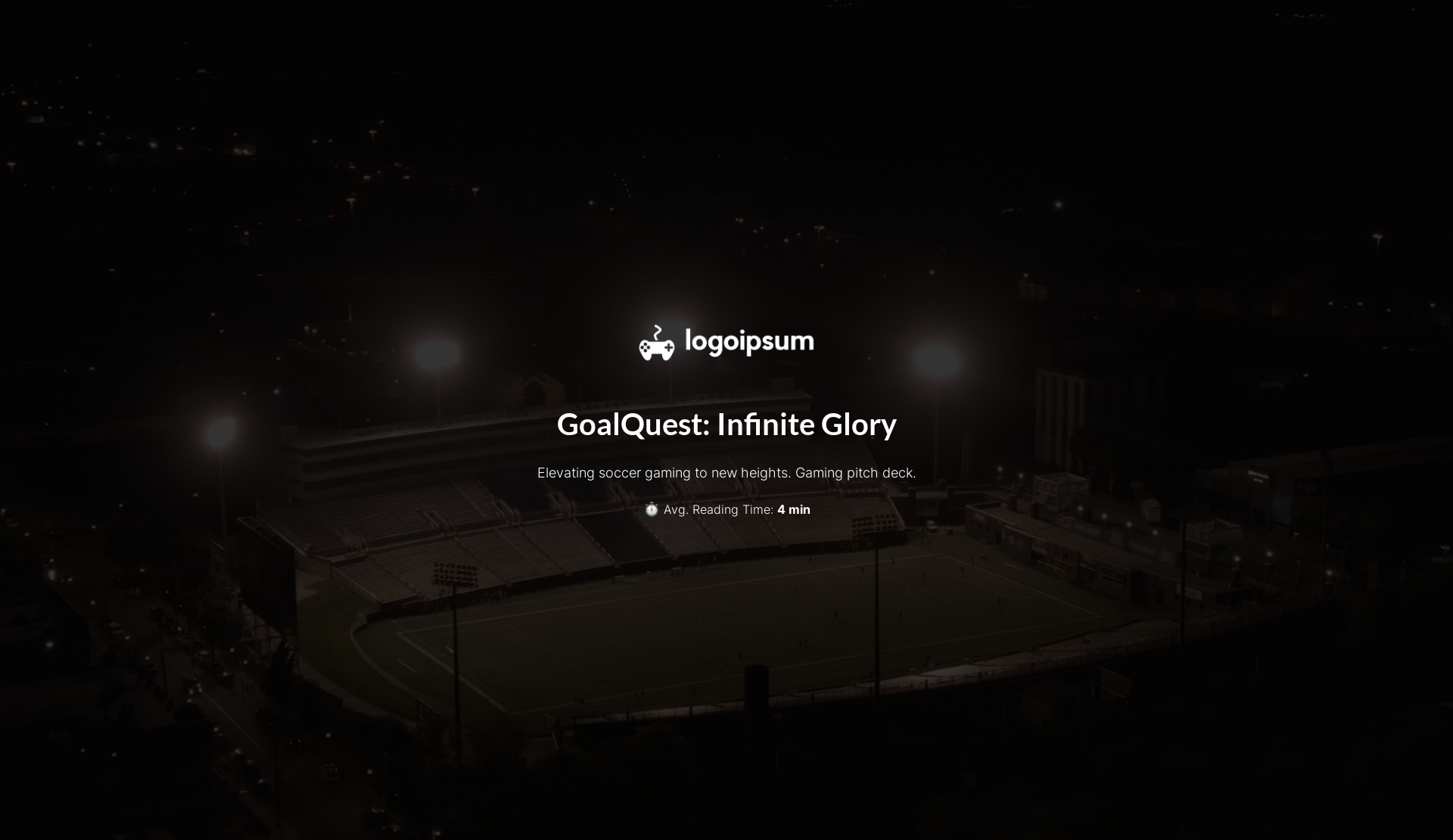
This proposal outlines an innovative football game that elevates the genre with its immersive gameplay, cutting-edge visuals, and player-driven narratives.
Clear, concise overview: The proposal immediately captivates with a succinct summary that encapsulates the game’s essence, making it easy for publishers to grasp the concept and its appeal right from the start.
Engaging visuals and layout: From the use of dynamic imagery to the strategic organization of content, the presentation is visually engaging, guiding publishers through the proposal with ease.
Compelling narrative structure: The proposal tells a story, not just about the game but about the vision behind it, the target audience, and its place in the market. This approach helps publishers connect with the game on a deeper level.
Game project proposal
This game proposal paints a vivid picture of an RPG set against the backdrop of a space western, promising a blend of adventure, mystery, and strategic gameplay.
Engaging storytelling: The presentation hooks the audience with a captivating narrative of adventure and rebellion, setting the stage for an epic space western saga.
Visual and technical brilliance: It showcases a blend of stunning visuals and cutting-edge technology, demonstrating the game’s potential to offer a visually immersive experience.
Strategic market insight: It clearly identifies its target audience and market niche, backing up its unique selling points with solid research and a clear understanding of current gaming trends.
Mobile game proposal
This proposal introduces a football game designed for mobile platforms, offering a compelling vision of the game’s place in the mobile gaming world and its potential to captivate a wide audience.
Compelling presentation style: It utilizes a mix of engaging visuals and concise, impactful text (such as gaming fonts) to quickly convey the game’s unique value proposition.
Innovative features highlight: It clearly outlines innovative gameplay mechanics and features that set it apart, demonstrating a deep understanding of what mobile gamers seek.
Strategic market positioning: It articulates a clear understanding of the mobile gaming market, identifying target audiences and explaining how the game meets their needs in novel ways.
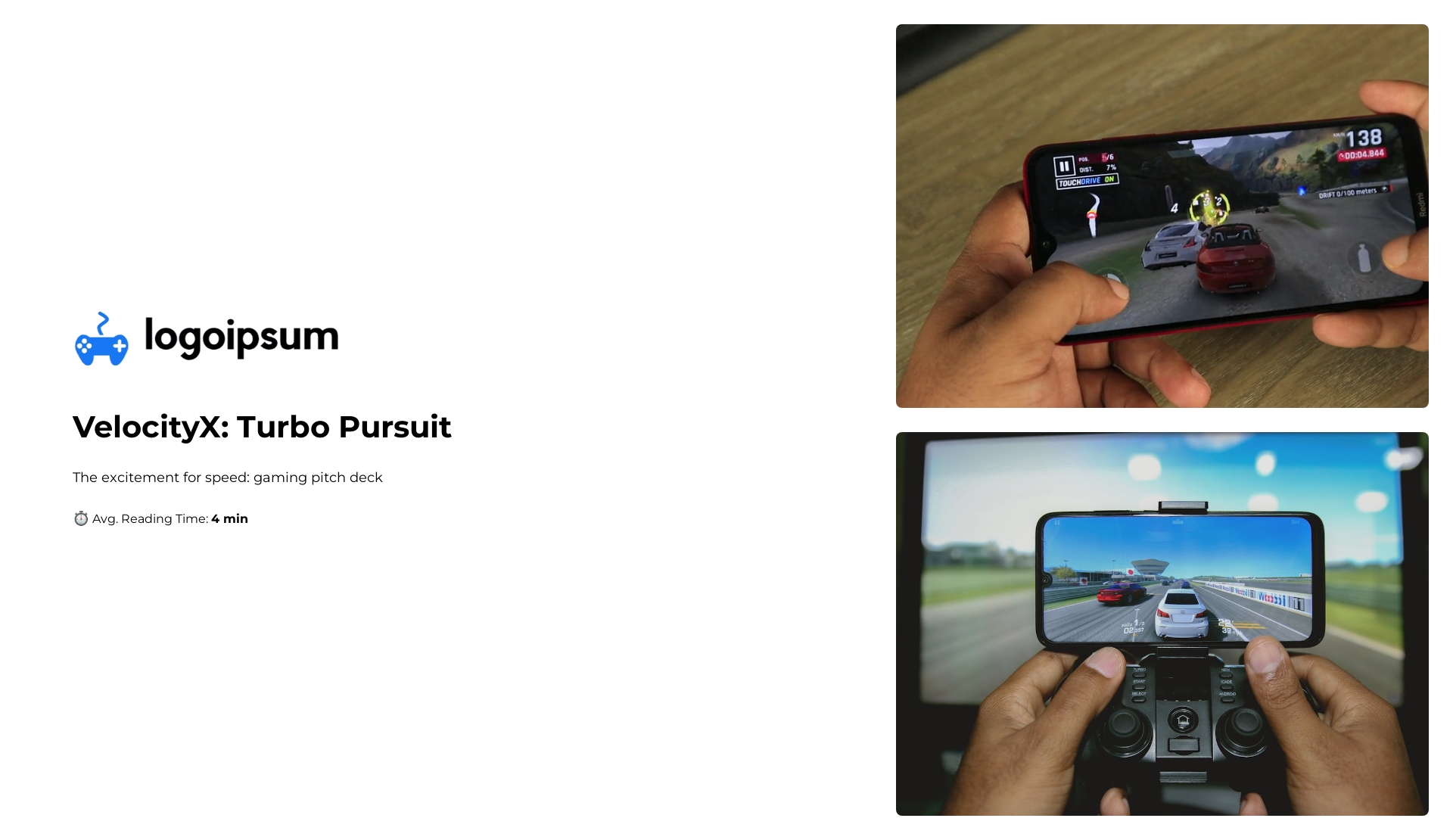
Video game proposal
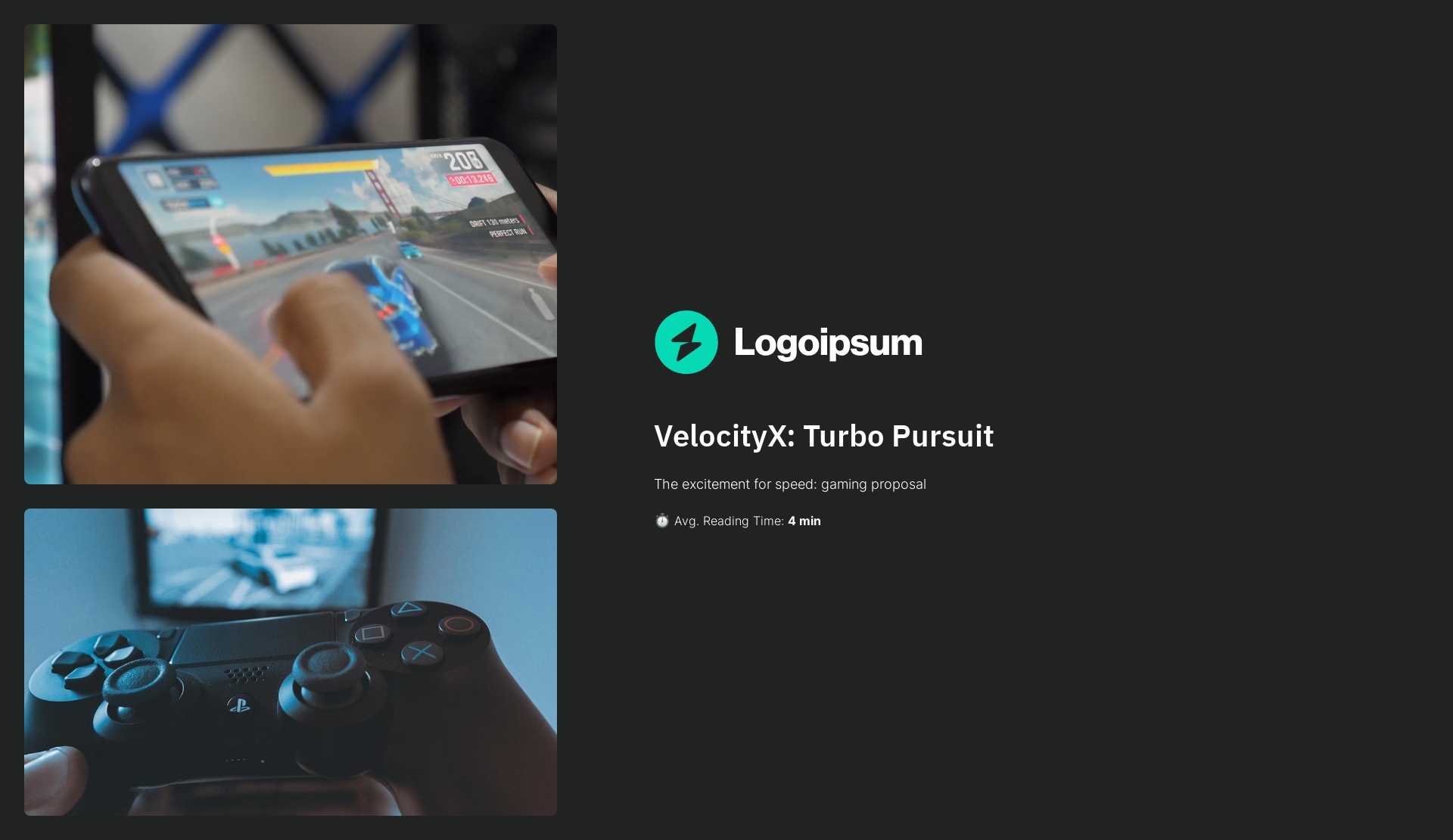
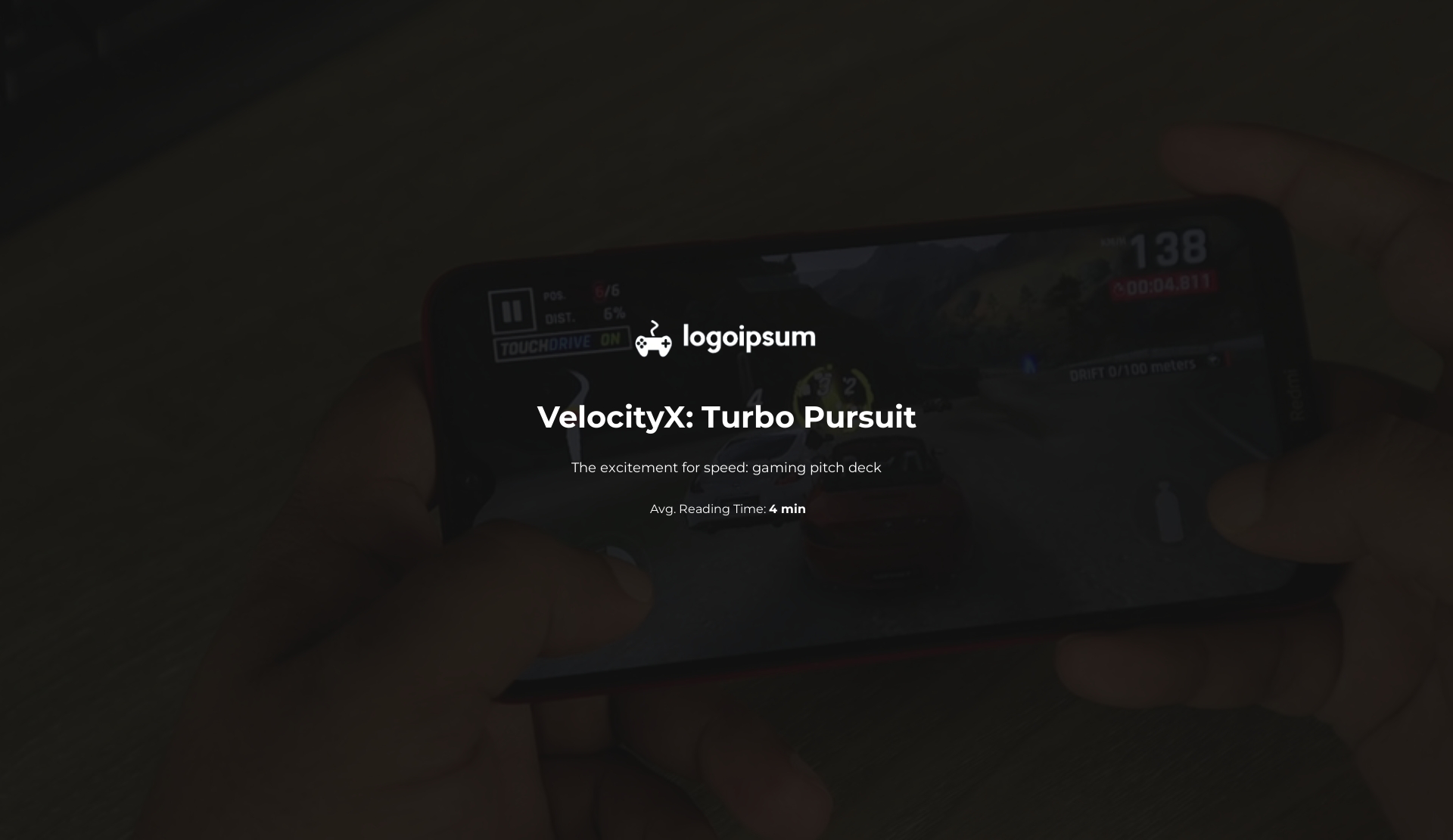
This proposal introduces a racing game that blends cutting-edge gameplay with immersive storytelling, aiming to captivate both casual gamers and hardcore racing enthusiasts.
Vibrant and engaging visuals: The proposal uses striking visuals and a dynamic layout to immediately draw publishers in, offering a visual taste of the game’s aesthetic and atmosphere.
Innovative gameplay highlights: It clearly outlines the game’s unique gameplay elements, focusing on customization options and the narrative-driven racing experience, setting it apart from competitors.
Strategic audience engagement: The presentation demonstrates a deep understanding of the game’s target audience, including detailed market analysis and engagement strategies that showcase the game’s potential for success.
Computer game proposal
This proposal introduces a racing game that combines high-speed thrills with a rich narrative and deep customization, set against the backdrop of a neon-lit metropolis.
Engaging narrative approach: The proposal shines by weaving the game’s features into a compelling narrative, making the reader feel part of the game’s world from the first paragraph.
Highlighting core innovations: It focuses on the game’s unique selling points, such as its extensive vehicle customization system and the dynamic day-night cycle, showcasing how it pushes the envelope in racing game design.
Market insight and vision: The presentation is grounded in a solid understanding of the gaming landscape, articulating how the game fills a niche and meets the evolving demands of gamers.
How to design a game proposal?
In the world of game development, your proposal is the first level players must navigate. The key is to tell the story of your game in a way that’s as interactive and engaging as the game itself.
Let’s dive into some design strategies that can transform your game proposal from a static document into an immersive experience.
1) Create a journey on every slide
Utilize scroll-based design to turn each section of your proposal into a mini-adventure.
As the reader scrolls, elements can animate into view, revealing your game’s concept, art, and mechanics in a dynamic, engaging manner. This approach keeps the reader’s attention and mimics the interactive nature of gaming itself.
Interactive elements like clickable prototypes, hover effects on images, or embedded gameplay videos invite the reader to engage directly with your content.
This not only makes your proposal more memorable but also gives a taste of the interactive pleasure your game promises, setting the stage for what’s to come.
3) Ensure responsive design
With readers likely viewing your proposal on a variety of devices, responsive design ensures your content looks its best whether it’s on a desktop, tablet, or smartphone.
A responsive proposal demonstrates your attention to detail and consideration for the reader’s experience, reflecting positively on your game development ethos.
Imagine taking the heaps of data that prove your game’s potential and turning them into a visual story. Charts, graphs, and infographics can really make those numbers pop, get the point across faster, and stick in the mind longer.
It’s like giving your audience a map to see exactly where your game is headed and why it’s an adventure worth joining.
5) Keep your branding cohesive
Consistent branding across your game proposal acts like a thread that ties every element together, offering a cohesive and immersive experience.
This goes beyond aesthetics to encapsulate the spirit of your game, ensuring that every page, every chart, and every word feels like an extension of the game world you’re creating.
It’s about crafting an identity so strong and coherent that it resonates with your audience long after they’ve put the proposal down.
Here’s how you can easily extract branding from a website:
Consider creating different versions of your proposal tailored to specific publishers or investors.
Personalized decks show that you’ve done your homework on who they are and what they might be looking for in a game. This level of personalization can significantly increase your proposal’s impact.
You can personalize at scale in just a few clicks:
Including a simple feedback form or a “Schedule a Demo” button within your proposal can encourage immediate action from the reader.
This facilitates a quicker response and opens a direct line of communication between you and potential backers, making the proposal process more interactive and personal.
Interactive game proposal templates
When your day-to-day involves crafting visual experiences that captivate and engage, the pressure to do the same for your game proposal can be overwhelming.
Interactive game proposal templates allow you to focus on infusing the deck with your game’s unique story, visuals, and data, rather than getting bogged down by layout decisions or design consistency worries.