


How to Write a Restaurant Business Plan (+ Examples)
Learn how to create a restaurant business plan with the best format that outlines your concept, and financials. Get examples and templates to get started.
Set as Preferred Source
In the competitive world of the restaurant industry, where low-profit margins are a well-known hurdle, there emerges a critical, yet often overlooked, factor pivotal to success: the design of the business plan.
As we enter 2025, it’s becoming increasingly clear that the traditional overlook of business plan design can no longer be afforded.
This isn’t just about financial projections or market analysis; it’s about crafting a blueprint that encapsulates the essence of your restaurant, compellingly communicates its value, and sets a solid foundation for growth.
By focusing on the design of your business plan, you stand to gain not just the attention of potential investors but also a clearer roadmap to navigate the challenges ahead.
What makes an effective business plan?
Embarking on the restaurant business journey requires more than just a passion for food-it demands a comprehensive plan that lays out every aspect of your venture with precision and foresight.
Let’s delve into what constitutes an effective restaurant business plan, ensuring it’s not just another document, but a roadmap to success.
6 key components of a winning restaurant business plan:
1. Vision and concept clarity
Start with a crystal-clear articulation of your restaurant’s concept. Whether it’s a cozy vegan cafe or a high-end steakhouse, the essence of your establishment should leap off the page.
This clarity helps potential investors and partners instantly grasp what you’re aiming to create.
Beyond the concept, delineate your restaurant’s values, mission, and the unique selling points that set you apart in a crowded market.
2. Comprehensive market analysis
A deep dive into market analysis cannot be overstated. Here, you’re not just identifying who your customers are but also understanding the competitive landscape.
What are the prevailing trends in the dining sector? Who are your direct and indirect competitors, and how do you plan to differentiate yourself? This section should reflect a meticulous research process, showcasing insights that guide your strategy.
3. Robust financial planning
In any successful business plan, sound financial management is key.
Essential elements include:
Realistic financial projections: Your forecasts should be realistic, and built on data-backed assumptions.
- Detailed profit and loss forecasts
- Cash flow predictions
- Break-even analysis
Contingency planning: Preparing for unforeseen challenges is crucial.
- Develop a well-thought-out contingency plan to navigate the industry’s unpredictable nature.
- Identify potential risks and solutions, including supplier issues, staffing shortages, and changes in consumer behavior, to ensure business resilience.
4. Operational strategies
Operational excellence underpins a restaurant’s success. Detail your plans for day-to-day operations, from sourcing ingredients to managing inventory and staffing.
Highlight your commitment to quality and efficiency in every aspect of the operation, from the kitchen to customer service.
Also, outline the technology, such as restaurant POS systems or Homebase-like employee scheduling software you’ll implement to streamline processes and enhance the dining experience.
5. Marketing and branding
In today’s digital age, a savvy marketing and branding strategy is crucial.
Describe how you’ll create a strong brand identity and the channels you’ll use to reach your target audience.
From social media campaigns to community engagement initiatives, your plan should reflect a keen understanding of how to connect with potential customers and build a loyal following.
Discover how to create a marketing deck to align your strategy with your business objectives, target audience needs, and market trends.
6. Customer experience focus
Exceptional customer service is the lifeblood of any successful restaurant. Detail the steps you’ll take to ensure every guest feels valued and satisfied.
From the ambiance and menu design to staff training programs, every element should contribute to a memorable dining experience.
Feedback mechanisms and how you’ll adapt to customer preferences are also vital components of this section.
What should be included in a restaurant business plan?
Creating a restaurant business plan is a foundational step toward launching a successful dining establishment.
It outlines your vision, strategy, and the specific actions you plan to take to make your restaurant a success.
Below, we break down the essential components that should be included in your restaurant business plan, ensuring clarity, comprehensiveness, and appeal to potential investors.
8 essential sections of a restaurant business plan:
1. Executive summary
A compelling overview of the restaurant, showcasing its unique concept, mission, and strategic objectives that guide its operations.
- Overview: Present a succinct snapshot of your restaurant, including its concept, mission, key goals, and ownership structure.
- Purpose: Highlight what you aim to achieve with the restaurant and the appeal it has to potential investors or lenders.
2. Business description
An in-depth look at the restaurant’s theme, location, and how these elements combine to create a distinctive dining experience.
- Concept and theme: Describe the unique aspects of your restaurant’s concept, from the cuisine and menu items to the design and ambiance.
- Location analysis: Analyze the chosen location, discussing demographics, foot traffic, and how these factors make it an ideal spot for your target market.
3. Market analysis
An insightful examination of dining trends, target demographics, and customer needs to inform strategic positioning.
- Trends: Examine current trends in the dining industry and how they influence your restaurant’s positioning.
- Target demographic: Identify your target customers, detailing their preferences, dining habits, and how your restaurant will meet their needs.
- Needs and preferences: Focus on understanding and catering to what your target market seeks in a dining experience.
4. Competitive analysis
A detailed evaluation of competitors, focusing on differentiation and strategies for establishing a market edge.
- Competitors: List direct and indirect competitors, analyzing their strengths, weaknesses, and how you’ll differentiate your restaurant.
- Differentiation: Explain the unique selling points that will set your restaurant apart in the competitive landscape.
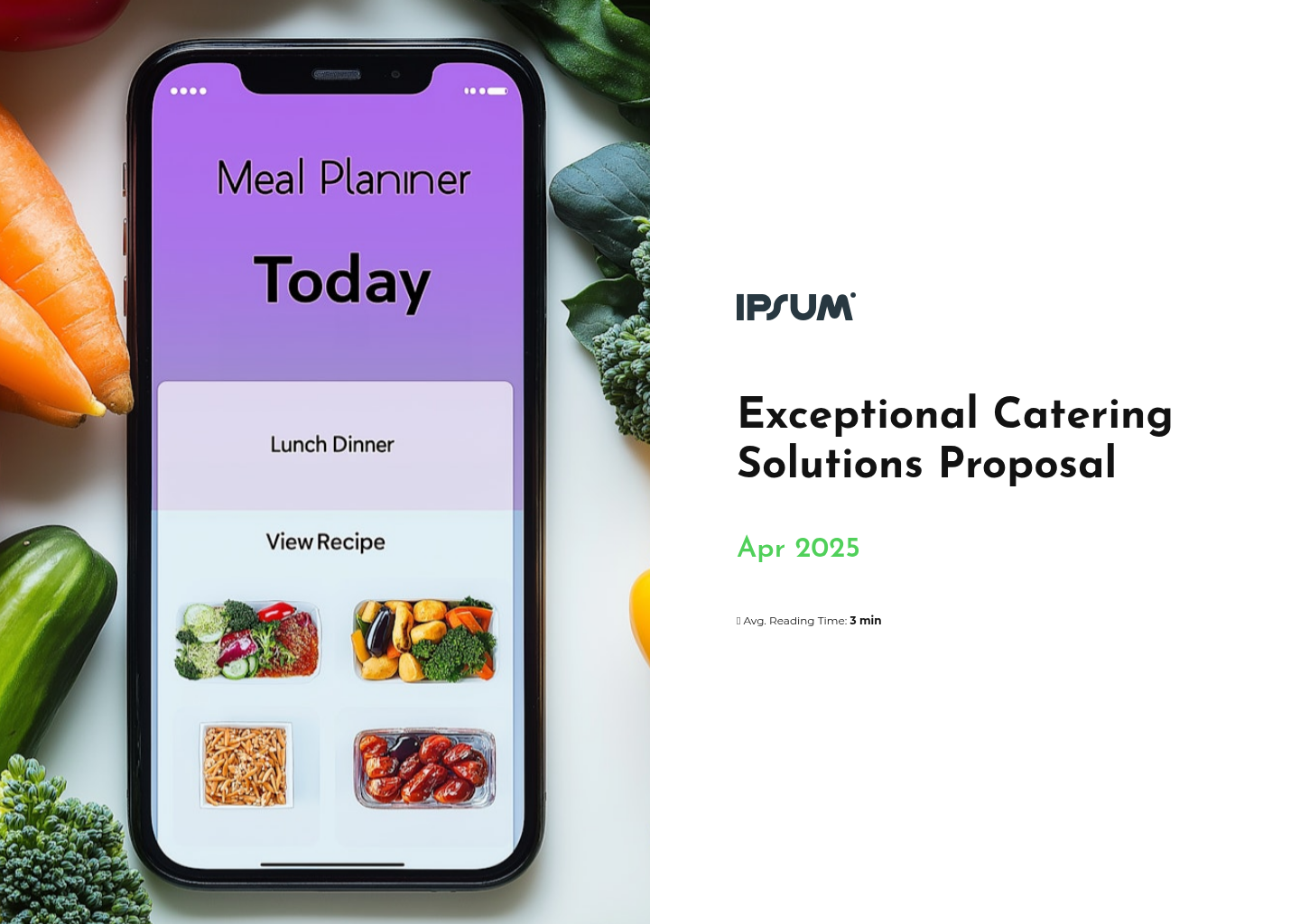
5. Menu and product offering
Overview of menu design, ingredient sourcing, and special services that enhance the restaurant’s appeal.
- Menu design: Discuss the inspiration behind your menu, including how it reflects the theme and caters to your target demographic. Outline your pricing strategy and item selection.
- Sourcing and suppliers: Detail your approach to sourcing high-quality ingredients, including partnerships with local suppliers and commitments to sustainability.
- Special offerings: Highlight any additional services your restaurant offers, such as catering, special events, or exclusive seasonal menus, to draw in a wider audience and generate extra revenue.
6. Marketing and sales strategy
A summary of branding efforts, promotional tactics, and sales projections designed to attract and retain customers.
- Branding: Detail your restaurant’s brand identity, including name, logo, and how it communicates your restaurant’s values and mission.
- Marketing tactics: Outline the strategies you will employ to attract and retain customers, such as social media marketing, local advertising, partnerships, and loyalty programs.
- Sales forecasts: Provide realistic sales forecasts, explaining the rationale behind these projections and how you plan to achieve them.
7. Operating plan
Description of daily operations, facility management, and health safety protocols to ensure smooth and compliant restaurant functionality.
- Daily operations: Describe the operational flow of the restaurant, including hours of operation, staffing requirements, and customer service policies.
- Facility management: Discuss the layout and design of your restaurant, kitchen equipment needs, and any other facility-related details that will ensure efficient operation.
- Health and safety: Outline the health and safety measures you will implement to comply with local regulations and ensure the well-being of both employees and guests.
8. Management and organization
An outline of the restaurant’s organizational structure, key personnel, and staffing strategies for operational excellence.
- Ownership structure: Specify the ownership structure of the restaurant, including key stakeholders and their roles.
- Team composition: Introduce the management team, chefs, and other critical staff, highlighting their experience and how it contributes to the restaurant’s success.
- Staffing plans: Discuss your plans for hiring staff, including numbers, positions, and the qualities you seek in employees to maintain high standards of service.
How to create a business plan for a restaurant?
Creating a standout business plan for your restaurant involves focusing on key components that blend your vision with practical strategies.
6 actionable steps to distill your restaurant business plan:
- Define your concept clearly: Begin by articulating your restaurant’s concept, ambiance, and what sets it apart. This clarity lays the groundwork for the entire business plan.
- Conduct thorough market analysis: Dive deep into your target market and competitors. This research will guide your menu design, pricing strategy, and marketing efforts, ensuring you carve out a unique space in the marketplace.
- Craft a compelling menu: Ensure your menu reflects your brand identity and appeals to your target audience, all while considering cost-effectiveness and supply chain realities. Aim for a balance between innovation and simplicity.
- Develop realistic financial projections: Detail initial costs, revenue expectations, and a break-even point. Importantly, predict potential hurdles with ready contingency plans.
- Outline operational strategies: Describe your daily management approach, including sourcing, staffing, and customer service. Efficient operations are crucial for a seamless experience and streamlined processes.
- Implement strategic marketing: Choose the most effective ways to connect with your audience. Building a strong brand narrative and engaging actively with customers can help turn first-time visitors into regulars.
7 restaurant business plan examples for winning partners and investors
When it comes to crafting a business plan for a restaurant, the type of establishment you’re planning significantly influences the structure and content of the document.
Each kind of restaurant from fast-casual and fine dining to food trucks and bistros-caters to different market segments and operational models.
Here’s a look at how these differences manifest in their respective business plans:
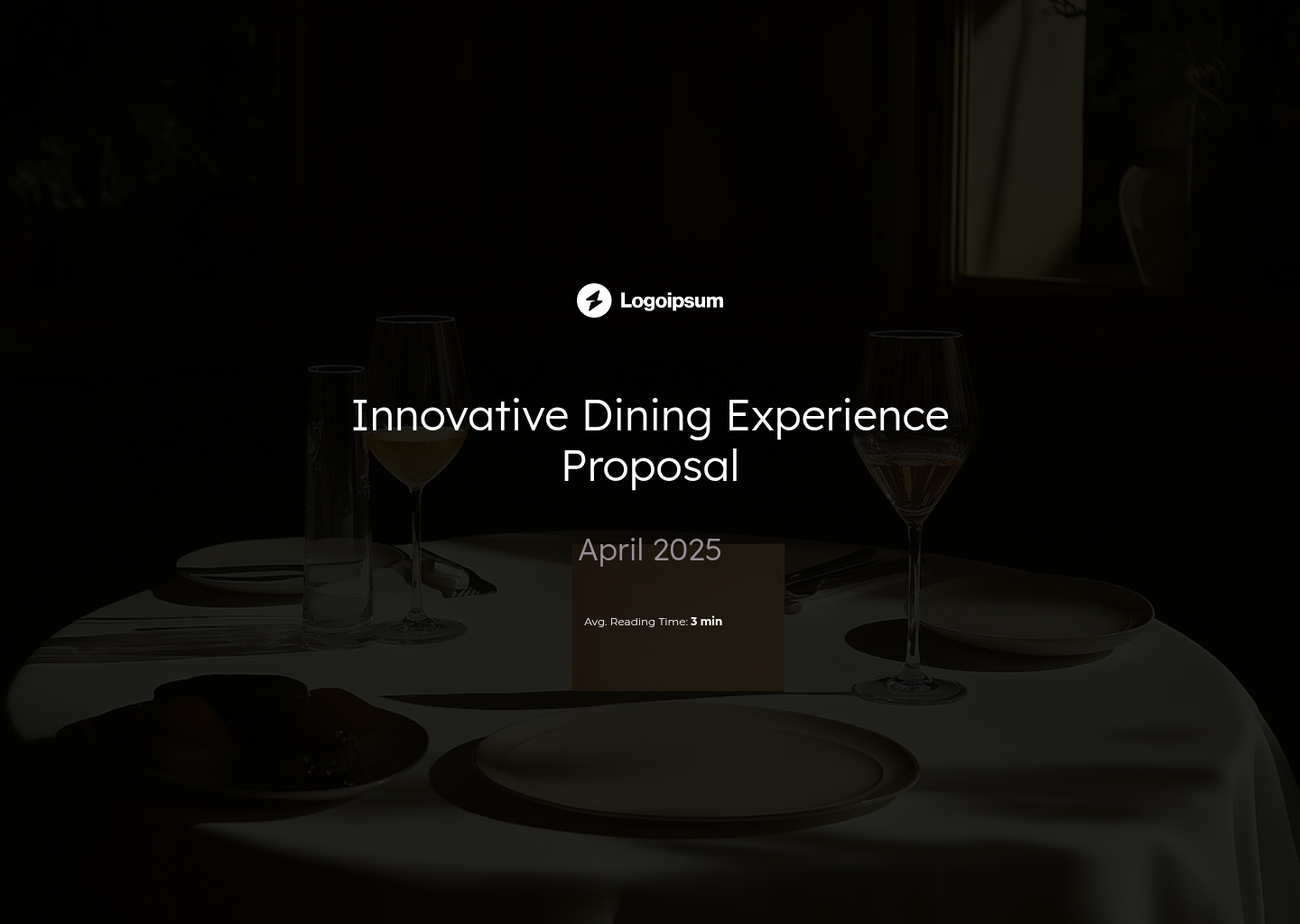
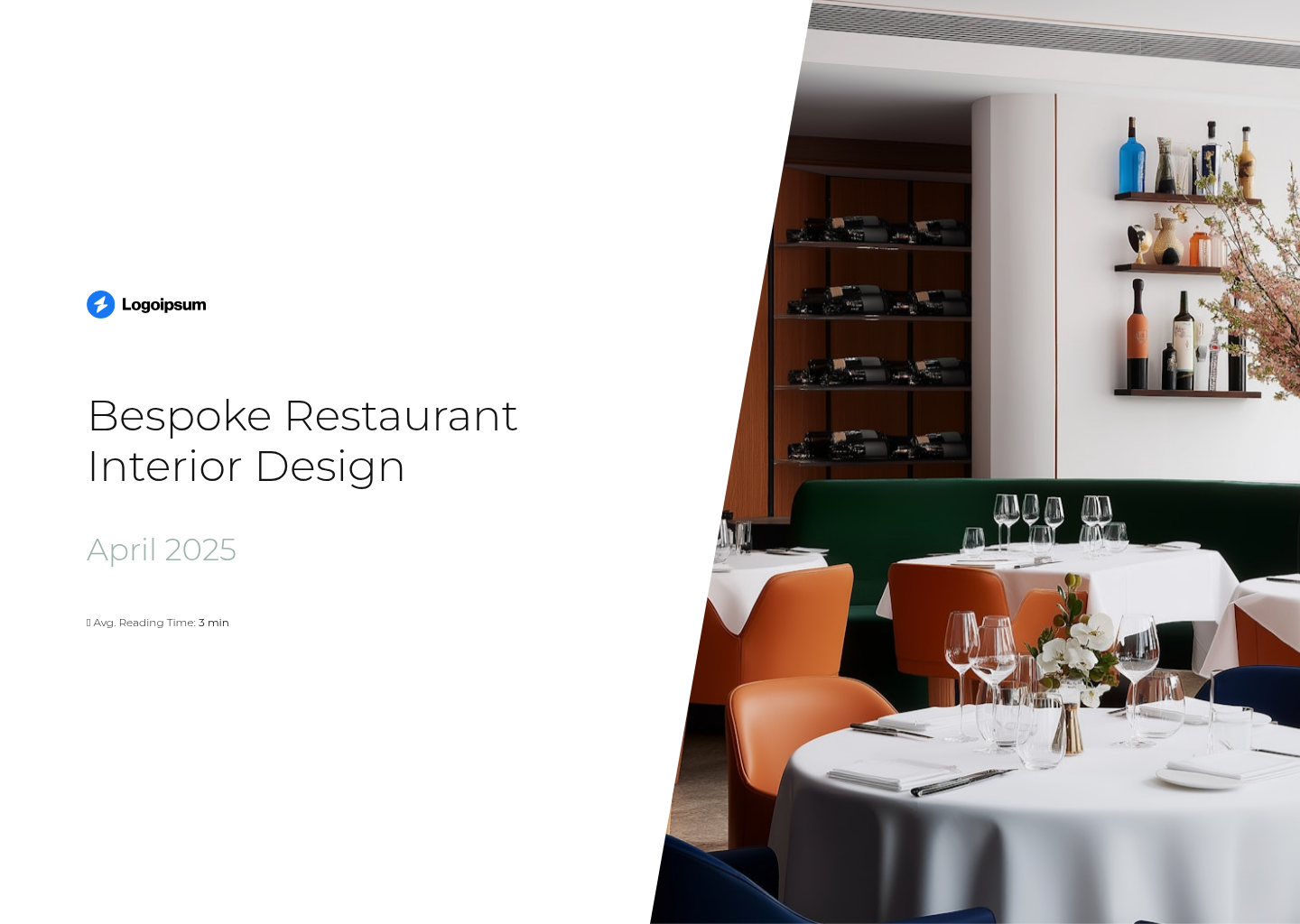
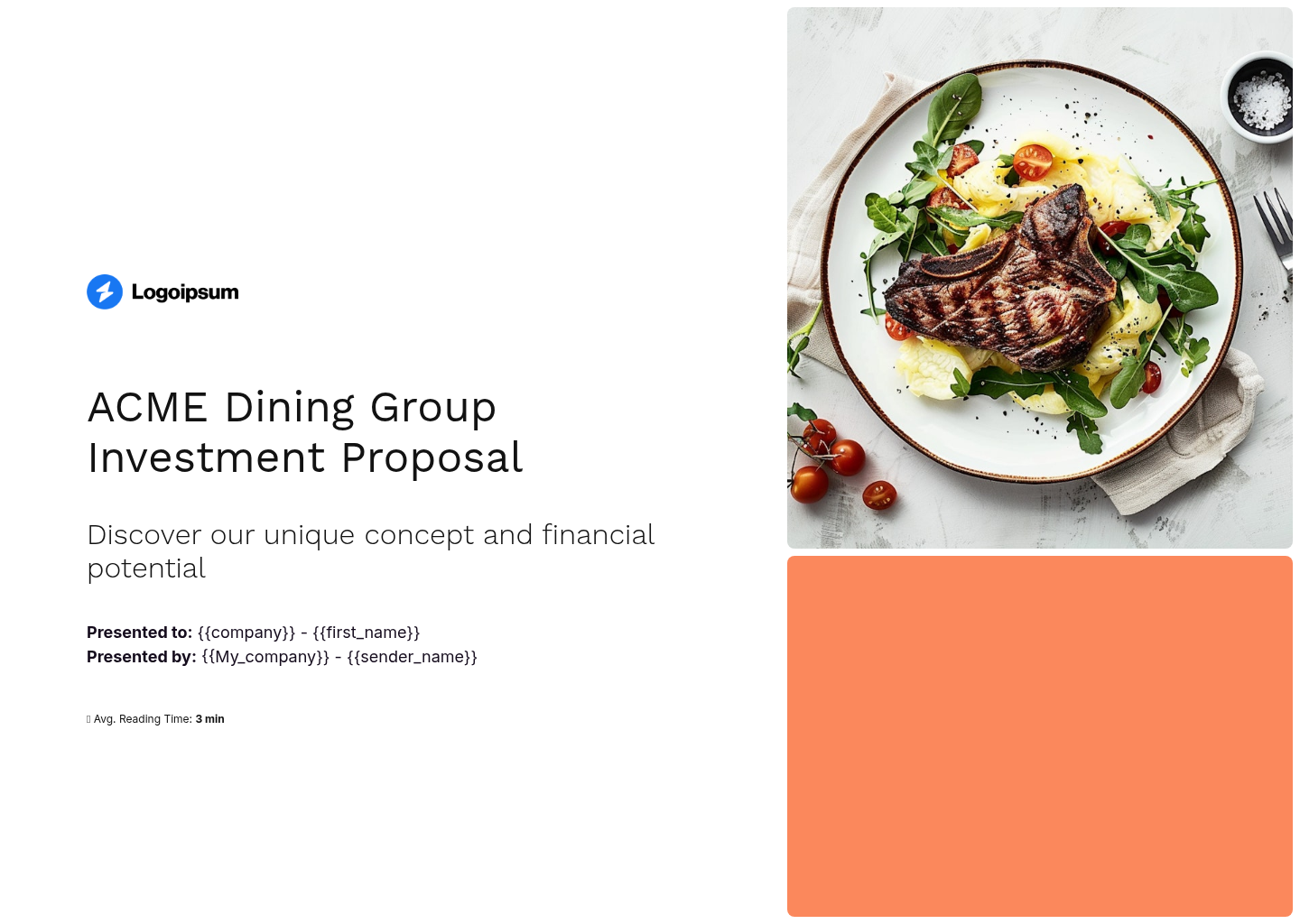
1) Fine dining restaurant business plan
- Market focus: Targets higher-income clientele seeking a premium dining experience. The plan should highlight exceptional service, high-quality ingredients, and unique culinary offerings.
- Operational model: Detailed attention to the ambiance, chef expertise, and a higher staff-to-guest ratio. Wine lists and bar offerings also play a significant role.
- Financial projections: Emphasizes higher check averages with a focus on profitability per guest rather than volume. The cost structure will detail higher initial investment in decor, kitchen equipment, and inventory.
Here’s an example of a fine-dining restaurant business plan:

Scroll to preview
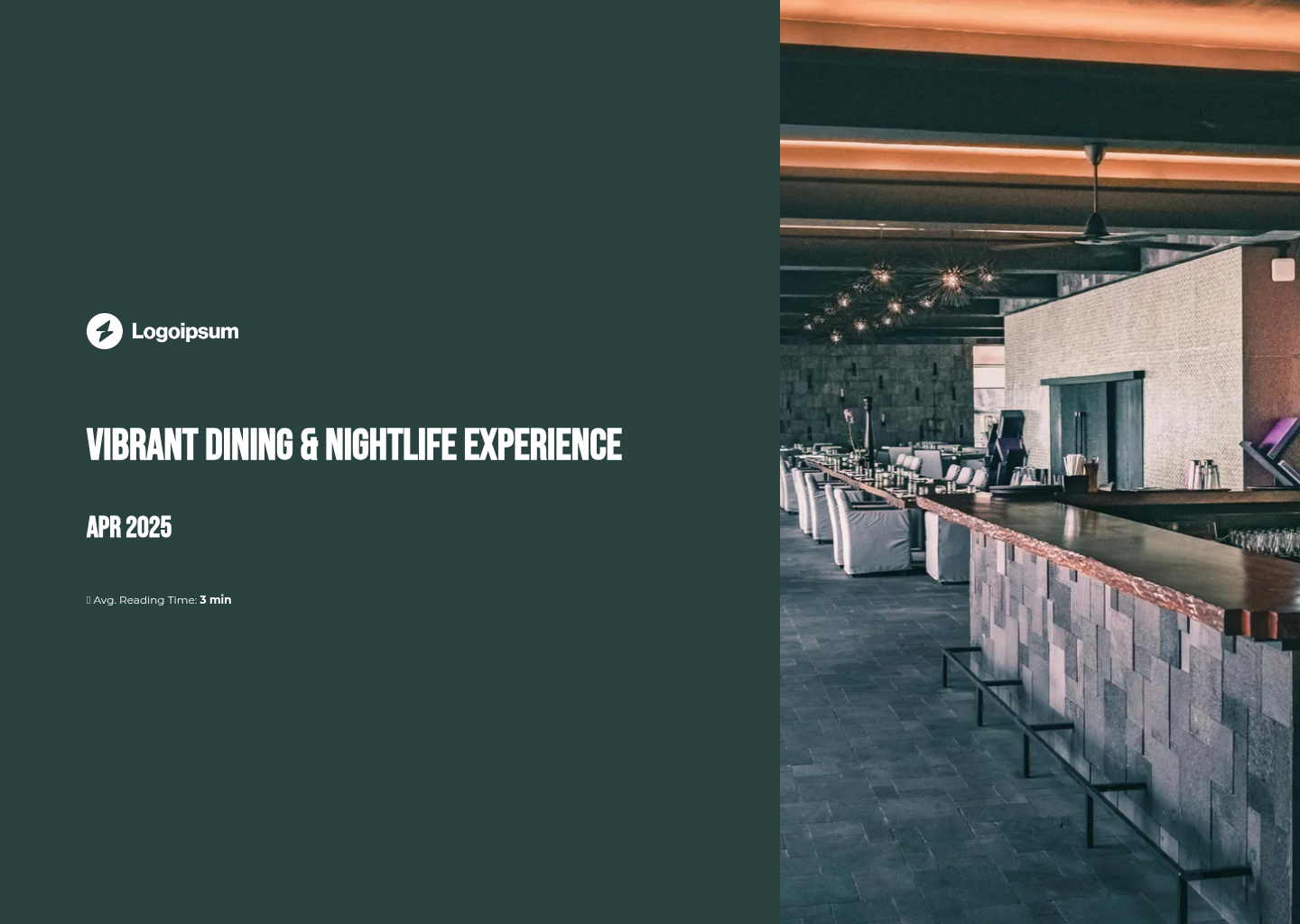
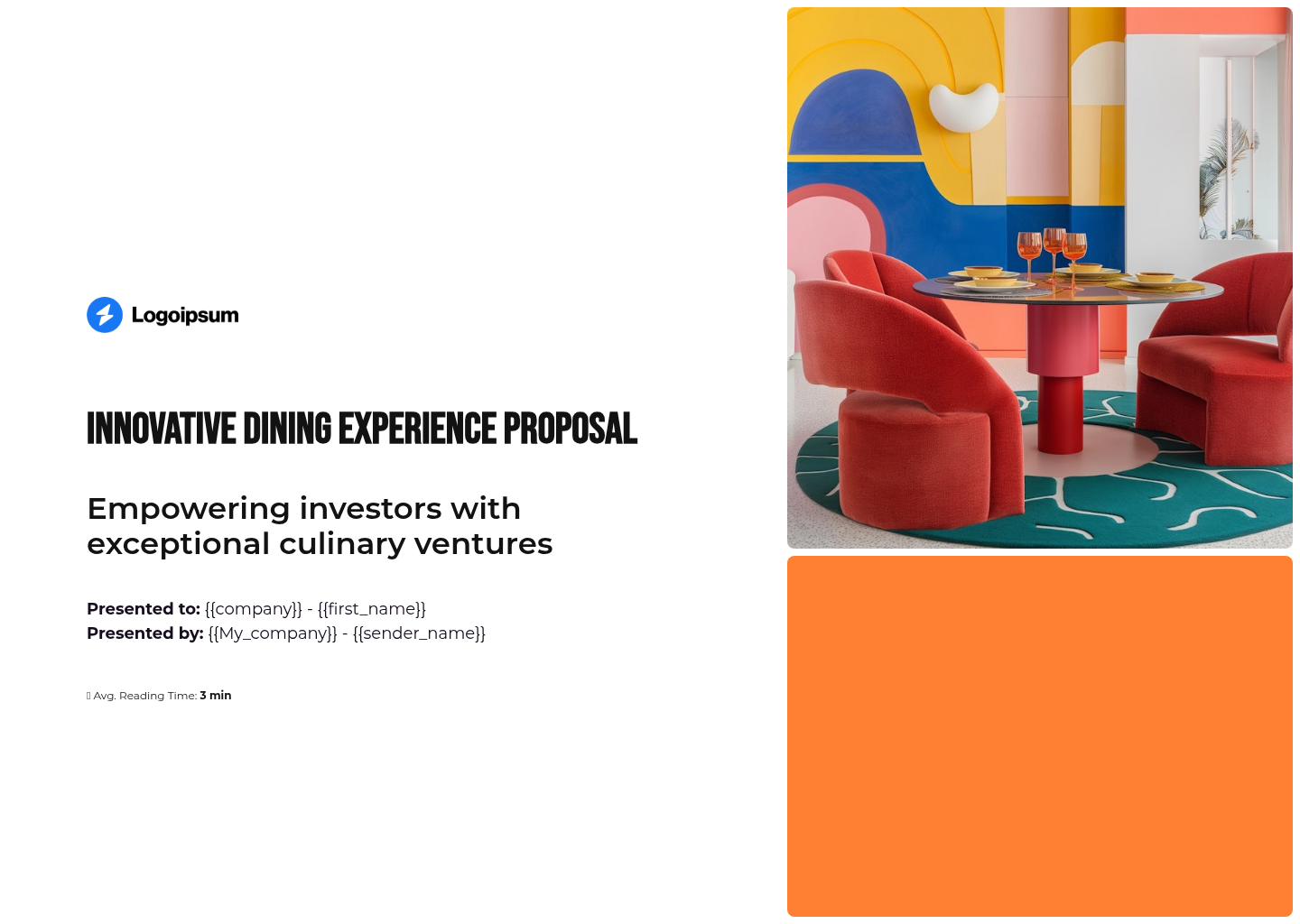
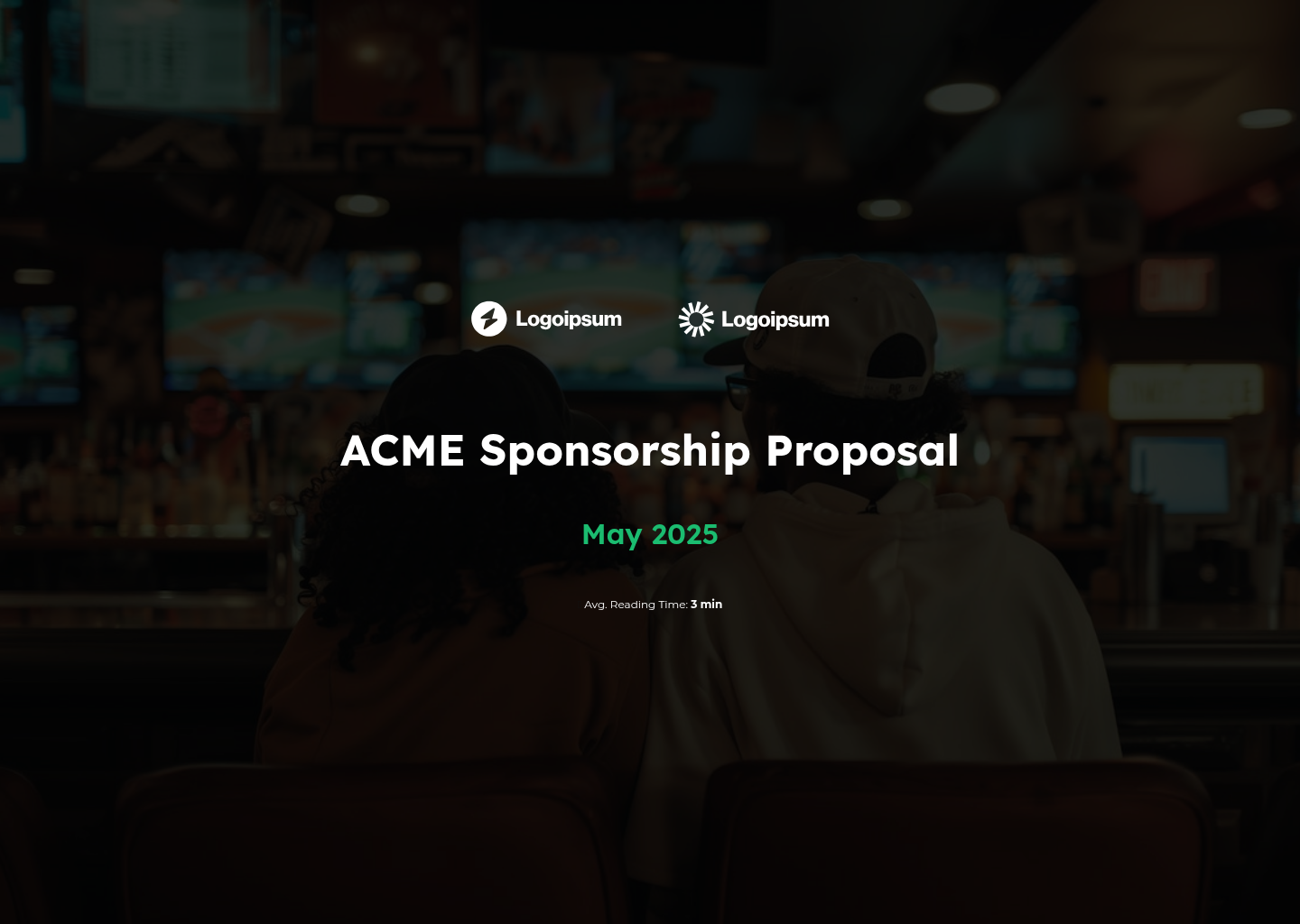
2) Bar restaurant business plan
- Market focus: Targets a diverse clientele, from young professionals to social groups, seeking a blend of dining and socializing.
- Operational model: Balances innovative cuisine with an extensive beverage selection in a space designed for both eating and lounging, including live entertainment options.
- Financial projections: Outlines three revenue streams: food and beverage sales, a membership model for live events, and event hosting and catering services.
Here’s an example of a bar restaurant pitch deck:

Scroll to preview
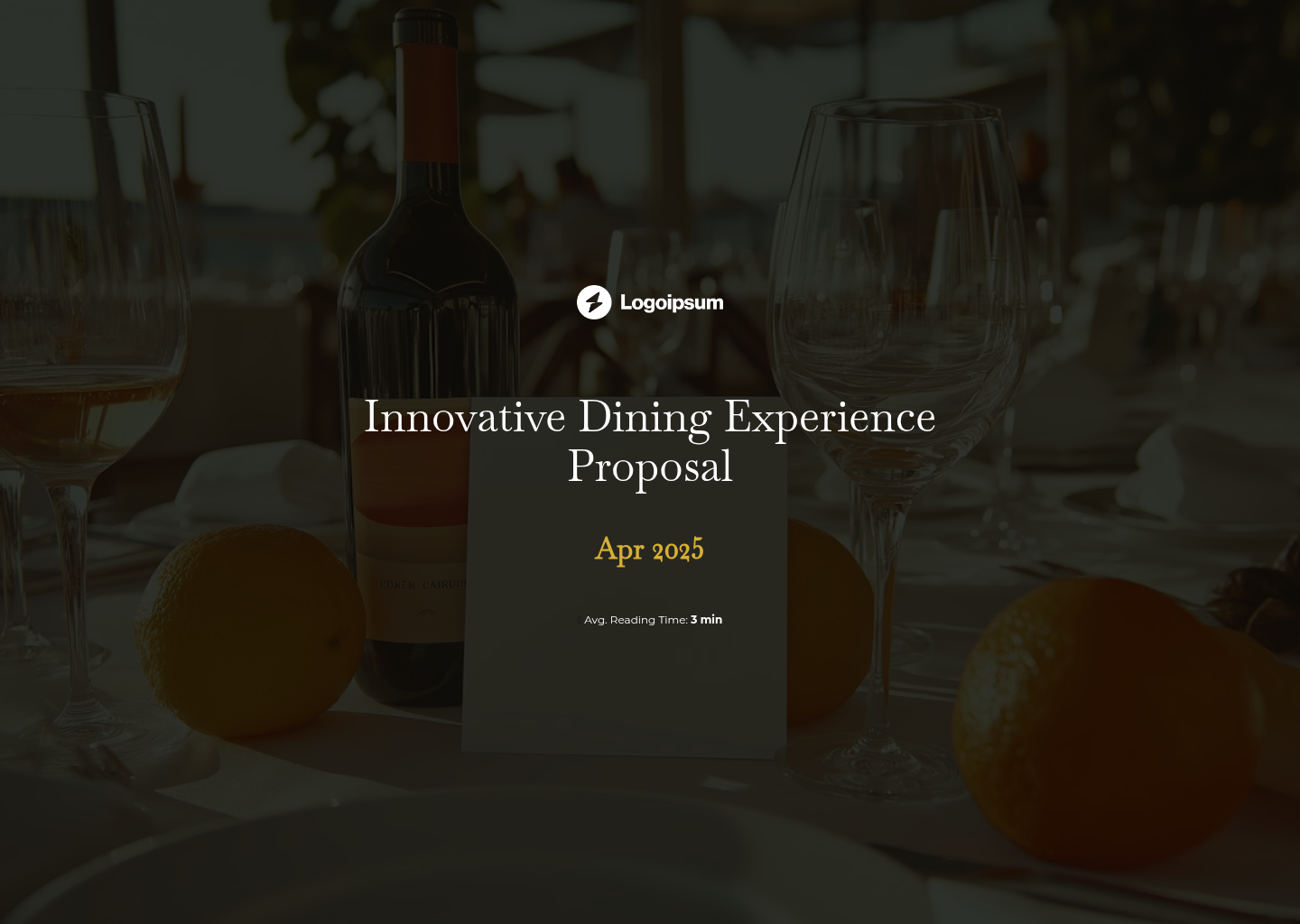
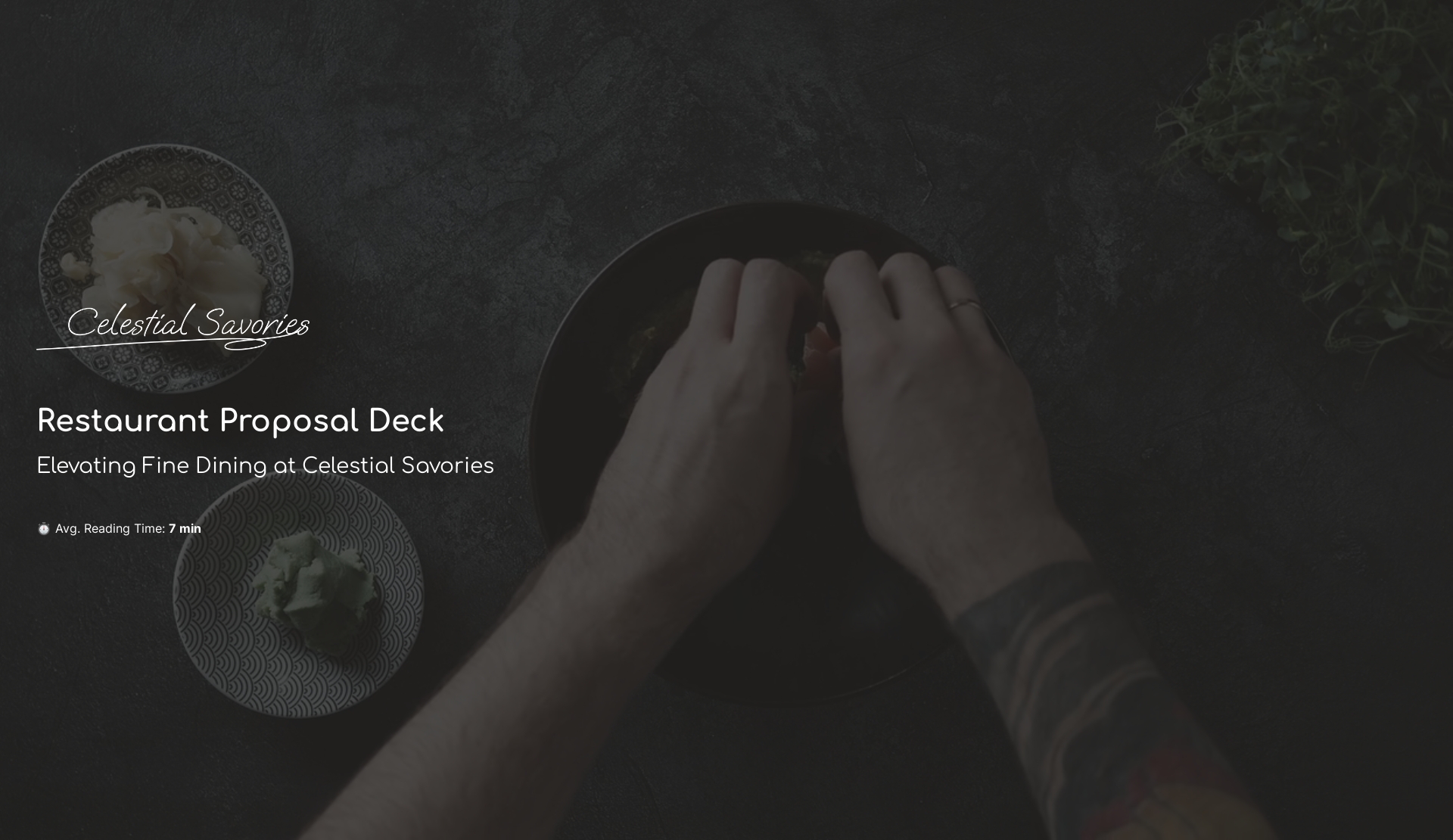
3) Bistro restaurant business plan
- Market focus: Caters to locals and tourists seeking a casual yet refined dining experience, positioning itself as a cozy neighborhood spot.
- Operational model: Highlights a selective menu that adapts seasonally, emphasizing a warm ambiance and personal service.
- Financial projections: Projects moderate earnings with a strong local following, noting initial investments in location and ambiance to create a distinctive setting.
Here’s an example of a bistro restaurant pitch deck:

Scroll to preview
4) Food truck business plan
- Market focus: Appeals to urban professionals, millennials, and foodies looking for unique, high-quality food options on the go.
- Operational model: Mobility is key. The plan must address location strategy, permits and regulations, and adaptability to different events and seasons.
- Financial projections: Lower startup costs compared to brick-and-mortar establishments but include considerations for vehicle maintenance, fuel, and parking permits.
5) Coffee restaurant business plan
- Market focus: Appeals to a varied audience with a unique theme or specialty cuisine, standing out from conventional coffee shops.
- Operational model: Details the influence of theme or cuisine on menu design, decor, and guest experience, aiming to make the restaurant a destination.
- Financial projections: Anticipates varied financial outcomes based on concept uniqueness, with thorough market research guiding pricing and marketing strategies.
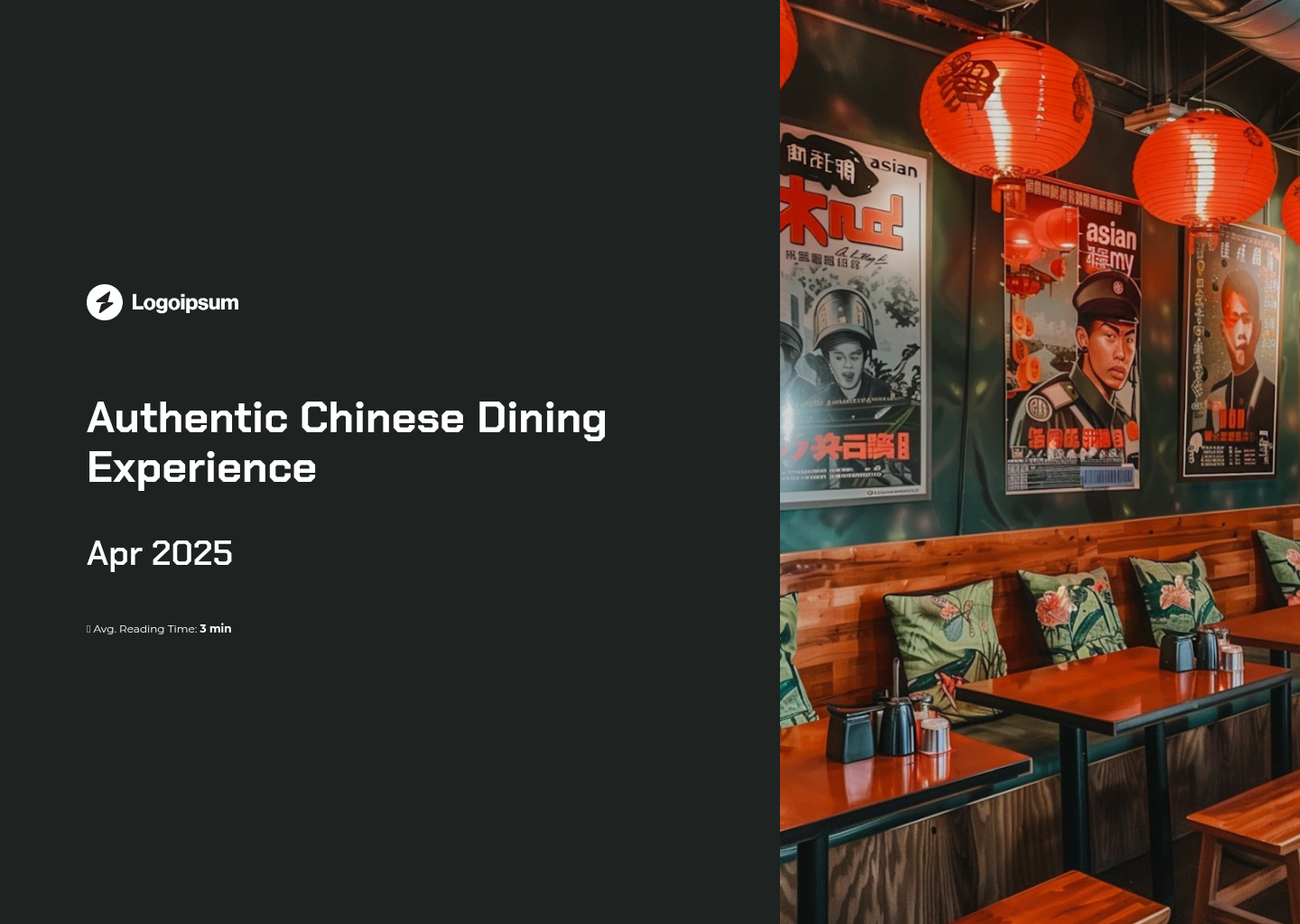
6) Italian, Mexican, Asian, etc., cuisine restaurant business plan
- Market focus: Focuses on providing authentic dining experiences to both expatriates and locals interested in specific cuisines.
- Operational model: Requires sourcing authentic ingredients and skilled chefs familiar with the cuisine. The business plan should address menu authenticity, culinary training, tip system, and potential partnerships for ingredient import.
- Financial projections: Depending on the positioning (casual vs. fine dining), financials would reflect the cost of unique ingredients and the expected dining experience level.
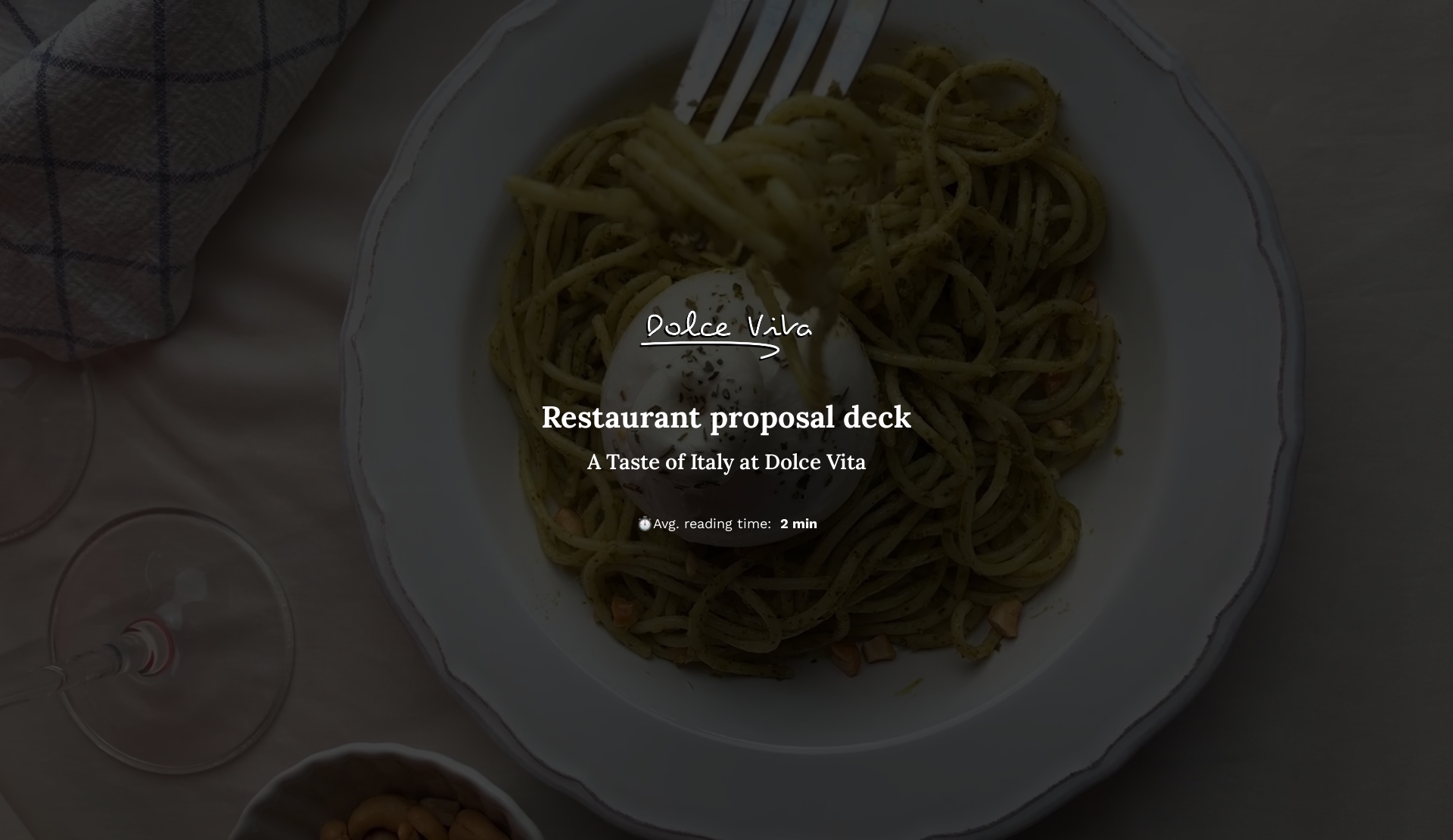
Here’s an example of an Italian restaurant business plan proposal:

Scroll to preview
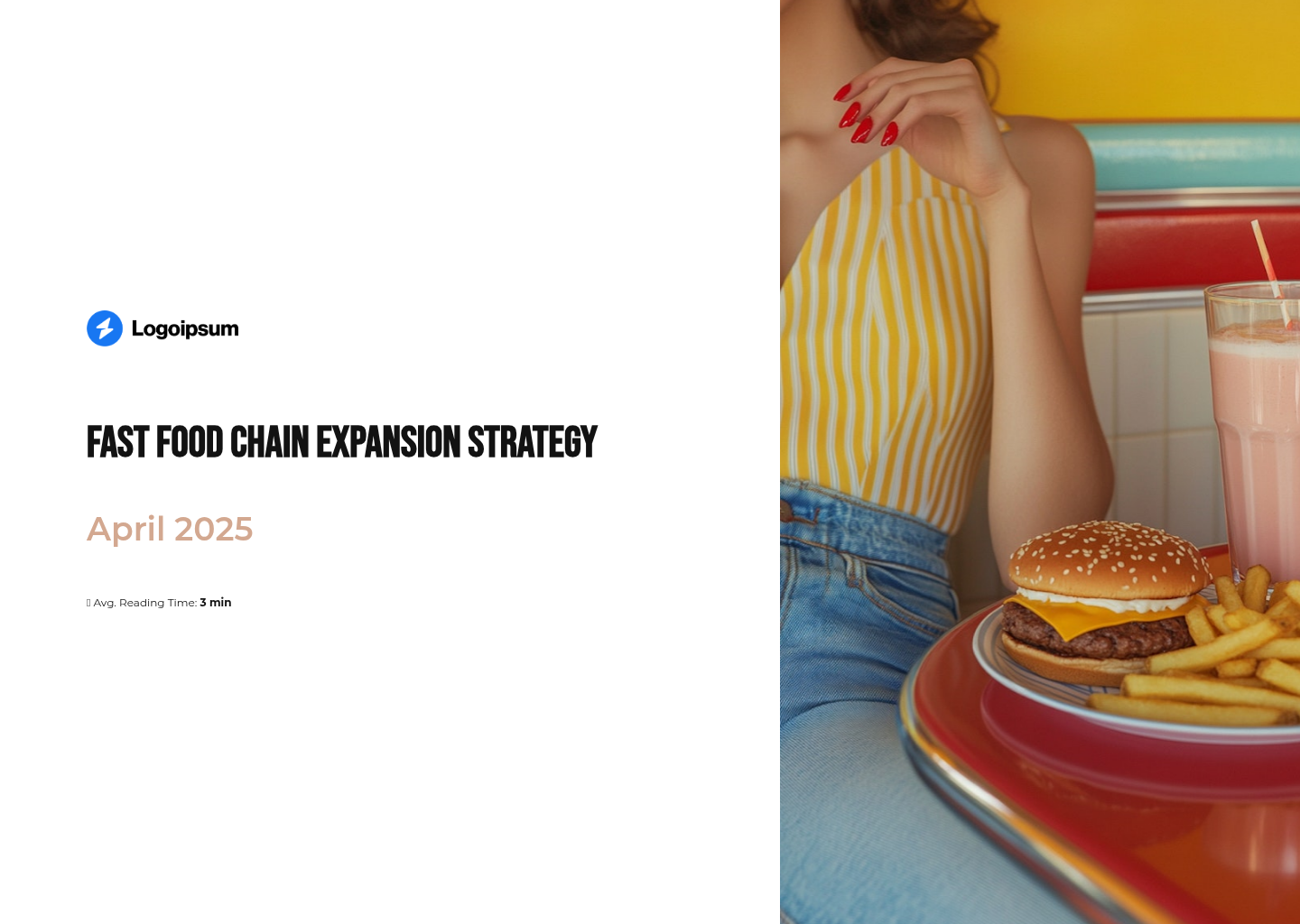
7) Fast food restaurant business plan
- Market focus: These plans emphasize speed, efficiency, and affordability. The target market typically includes busy professionals, families looking for convenient meal options, and younger demographics.
- Operational model: The business plan must detail quick service operations, including streamlined kitchen layouts, supply chain logistics for fast-moving inventory, and technology for order taking (e.g., apps, and kiosks).
- Financial projections: Focus on volume sales, low to moderate check averages, and strategies for high turnover rates.
How to design a restaurant business plan?
Designing a restaurant business plan is much like crafting a compelling game pitch deck, it’s all about presenting your concept in a way that’s as irresistible as the dining experience you’re proposing.
8 restaurant business plan design tips:
1. Embrace scrollytelling
Use narrative scrolling to take your audience through the journey of your restaurant’s concept, from the inspiration behind your dishes to the ambiance you plan to create.
This dynamic presentation style keeps readers engaged, turning your business plan into an immersive experience.
Here’s an example of scroll-based design:
2. Incorporate interactivity and multimedia
Go beyond static pages by embedding interactive elements like sample menu walkthroughs, virtual tours of the restaurant layout, or clips from cooking demos.
These elements not only highlight your restaurant’s unique offerings but also keep potential investors or partners engaged throughout your presentation.
And here’s what a static presentation looks like compared to an interactive one:
Static PowerPoint
Interactive Storydoc
3. Use data visualization
Present market research, target demographics, and financial projections through clear, compelling visuals.
Transform complex data into easy-to-understand graphs, charts, and infographics, making your business strategy both visually appealing and straightforward to grasp.
Here’s an example of a presentation with dataviz elements:

Scroll to preview
4. Personalize your deck
Leverage software that allows for customization, such as incorporating the viewer’s name or tailoring content to specific investor interests.
A personalized approach demonstrates meticulous attention to detail and can forge a stronger connection with your audience.
5. Use cohesive branding
Ensure your business plan reflects your restaurant’s identity through consistent use of colors, fonts, and imagery that align with your branding.
This not only enhances the visual appeal of your plan but also immerses your audience in the atmosphere you aim to create.
6. Make sure it’s mobile-responsive
Given the variety of devices stakeholders might use to view your plan, ensuring a mobile-responsive design is essential.
This ensures that your business plan is accessible and engaging, whether it’s being viewed on a smartphone or a desktop computer.
7. Highlight key information
Design your business plan to draw attention to critical information.
Techniques such as strategic content placement and highlighting can guide the reader’s focus, ensuring that essential points stand out without overwhelming the viewer with too much information at once.
8. Segment content in tabs
Organize your business plan into sections or tabs that cater to different aspects of your restaurant concept and business strategy.
This not only makes your plan more navigable but also allows readers to easily find the information most relevant to their interests or concerns.
Here’s an example of a tabs slide:
Restaurant business plan templates
Kicking off your restaurant business plan is a daunting task, especially when you aim to capture the essence of your dining concept in a document.
Interactive restaurant business plan templates are designed to simplify this process. They provide a structured framework that incorporates interactive and multimedia elements, essential for presenting your restaurant in a vibrant and dynamic manner.
These templates not only save you precious time but also guarantee that your business plan conveys a polished and compelling story.
Snag one today!

