














Writing a Sales Proposal Email Prospects Open (+Templates)
Learn how to write a sales proposal email that prospects are likely to open. Get sales proposal templates to pair your email with a full proposal deck.
Set as Preferred Source
What are the main types of sales proposal emails?
The main types of sales proposal emails are solicited and unsolicited.
Solicited emails are sent in response to a client’s request, normally as a response to an RFP, and focus on meeting specific requirements.
Unsolicited emails serve as your first outreach, introducing your solution to prospects who may not yet know they need it.
Both types play a crucial role in moving potential clients closer to a decision by offering tailored solutions and a clear path forward.
What to include in a sales proposal email?
- Clear subject line
- Personalized greeting
- Strong opening statement
- Brief overview of your proposal
- Call to Action (CTA)
- Preview of the proposal (optional)
- Professional closing
- Embedded or hyperlinked proposal (optional)
- Social proof (optional)
How to write a sales proposal email
One may say writing an email is not complicated at all, but writing an email that will actually get opened and create an impact is… well, a challenge just to say this slightly.
Here are some invaluable tips from our International Sales Specialist, Maciek Rojek:
Point zero: When do you send sales proposal emails?
There are 4 steps in the selling process:
- First, people become aware of the product;
- Then, they get interested;
- Next, they decide if they want it;
- And finally, they take action to buy.
Proposal emails usually come in at the second step, giving customers the info they need to decide if they want to move to the next step.
First things first: what do you need to achieve?
Sit down and think about what you want to achieve with your email. You need to remember that this message opens a new phase in your contact with the lead: you are about to send him your proposal.
In order to successfully land the deal, you need to make sure your message reflects all of your prospect’s pain points and highlights most important solutions.
If you plan to send him an external link to a proposal, e.g. using Storydoc’s template with e-signature, you should think about creating an appealing call to action for your prospect to actually click on the link.
A thumbnail from Storydoc would surely help to do that:
You should either embed or hyperlink your proposal. Short links are lately seen as phishing or spam methods, so we suggest avoiding them.
To avoid the spam filter and boost the credibility of your email you should also set up DMARC protocol.
Once your link is included in the email, make sure to write a summary of what the offer includes and what your prospect should do with it.
Okay, now let’s focus on the email creation step-by-step!
1) Subject line creation
The sales subject line has to grab the attention and remind your prospect of the next steps.
Creation of the subject line has to focus on 3 main factors:
- Compelling event or compelling question.
- Personalization – either their company or their own name (this detail alone can get you 26% more opens and increase your email revenue by a whopping 760%!).
- Action-oriented simple language.
2) Conduct or summarize your needs analysis
Before making a proposal to a specific client, find out everything you can about them. This is called a “needs analysis.”
Ideally, you get to sit down with the client and ask them questions. In addition, talk to people you know who might have information about the client.
You can also look up the company online to understand their issues and come up with a solution.
3) Set your goals and timeline in focus
When writing a business proposal email, begin by stating your goals clearly. In a more formal setting, this is called an executive summary.
Although a proposal email doesn’t necessarily need an executive summary, it’s important to highlight your objective at the start of the email.
A well-crafted objective statement grabs attention, especially in unsolicited proposals where you may not have an established relationship with the client.
4) Define your proposal
You have to know what the next steps on your prospects’ side look like. It will allow you not only to avoid unexpected turns, but also use their own timelines, reasons and deadlines to effectively follow-up without unwanted pushbacks.
Focus on:
- Identifying the project team, stakeholders, account managers, and workers. Clarifying the main contact for the client and who will handle product or service delivery.
- Defining the deliverables, project costs, payment terms, client responsibilities, and your obligations.
- Specifying the project location.
- Stating delivery timelines, whether it’s recurring or one-time, and customer service availability.
- Explaining the reasons for choosing your product or service as a solution to the client’s problems and why the customer should choose to work with you.
5) Include your offer’s cost and preferred deadline
For the proposal to work well, it’s crucial for the client to recognize and agree with the cost.
Utilize the information you’ve collected to present a price in your proposal. If you’ve conducted a needs analysis and had a conversation with the client, you may already have an idea of the cost they’re aiming for.
Here’s an example of an email proposal used by Maciek:

How to approach cold prospecting?
Before you can send a business proposal, you need to identify and connect with the right prospects. Prospecting isn’t just about finding any potential client—it’s about finding the right client.
The more effort you put into understanding who they are, what they need, and how you can help, the more effective your proposal will be.
Here’s how to prospect like a pro.
1) Start with a clear picture of your ideal client
Effective prospecting starts with knowing who you’re looking for. Think about the characteristics of clients who would benefit most from your product or service.
Ask yourself:
- What industries do they belong to?
- What size is their company?
- What specific challenges do they face that you can solve?
By creating an ideal client profile, you can focus your energy on prospects that are more likely to say “yes,” saving time and increasing your chances of success.
2) Use tools to find the right contacts
Once you’ve nailed down your target, the next step is finding the decision-maker. LinkedIn is your go-to—it’s brilliant for spotting key roles like “Head of Operations” or “Marketing Manager.”
Tools like ZoomInfo, Skrapp, Hunter.io or Hunter Alternatives can help you lock in their contact details fast.
If you can’t locate the decision-maker directly, start with a gatekeeper and politely ask for an introduction. Knowing the right person to contact is half the battle.
3) Personalize your approach
Nobody likes generic outreach—it’s lazy, and it won’t get you a response. Instead, tailor your messaging to each prospect.
Mention specifics, like a recent company achievement, a shared connection, or a challenge their industry is facing.
Example: “I saw your recent announcement about expanding into new markets—congratulations! I specialize in helping companies like yours streamline the expansion process.”
This kind of personalization shows you’ve done your homework and care about their success.
4) Leverage mutual connections or referrals
If you share a connection with your prospect, don’t waste it—use it. A referral from someone they trust can open doors in ways cold outreach never will.
And if you don’t have a direct link? That’s okay. A polite mention of mutual industry interests or shared experiences can still go a long way in building rapport and making your message stand out.
Prospects are more likely to engage when they feel a sense of familiarity.
5) Research, research, research
Prospecting is only effective if it’s backed by solid research. Before you send a proposal or even an email, learn everything you can about the prospect’s company:
- What’s their mission and vision?
- What challenges are they currently facing?
- Have they worked with competitors before?
The more you know, the more confident and tailored your outreach will be.
How to follow up after a sales proposal email?
Following up after sending a sales proposal email is just as important as the proposal itself. This is your moment to keep things moving, clear up any questions, and steer the prospect toward making a decision.
Here’s how to handle 3 common scenarios.
1) If they say yes
When a prospect responds positively, don’t leave them waiting.
Acknowledge their response promptly and set the next steps in motion. Whether it’s scheduling a meeting, finalizing terms, or preparing a contract, make it easy for them to move forward.
Example response:
“Thank you for your response! I’m thrilled to move forward. Let’s schedule a time to finalize the details. Would [specific date/time] work for you?”
A quick and professional follow-up ensures the process stays on track and builds trust.
2) If they say no
Rejections aren’t the end of the road—they’re opportunities to learn.
If a prospect says no, ask for feedback politely to understand why. Was it the timing, pricing, or something else? Their insights can help you refine your approach for the future.
Example response:
“Thank you for your honest feedback. I completely understand your decision, and I’d love to learn more about what didn’t work for you. Your input would mean a lot as I continue improving our solutions.”
This keeps the door open for future opportunities while showing professionalism.
3) If they ghost you
Silence is often the most common outcome, but it doesn’t mean the conversation is over.
Send a polite follow-up a few days after your initial email to check in. Add value by addressing a potential concern or sharing a relevant resource.
Example response:
“Hi [Name], I wanted to follow up on the proposal I sent last week. Let me know if you have any questions or need further details. In the meantime, I thought you might find this [resource/case study] helpful—it highlights how we’ve solved similar challenges.”
If there’s still no response, give it one more try after a week or two. Sometimes, persistence (without being pushy) is all it takes to re-engage a prospect.
Sales proposal templates
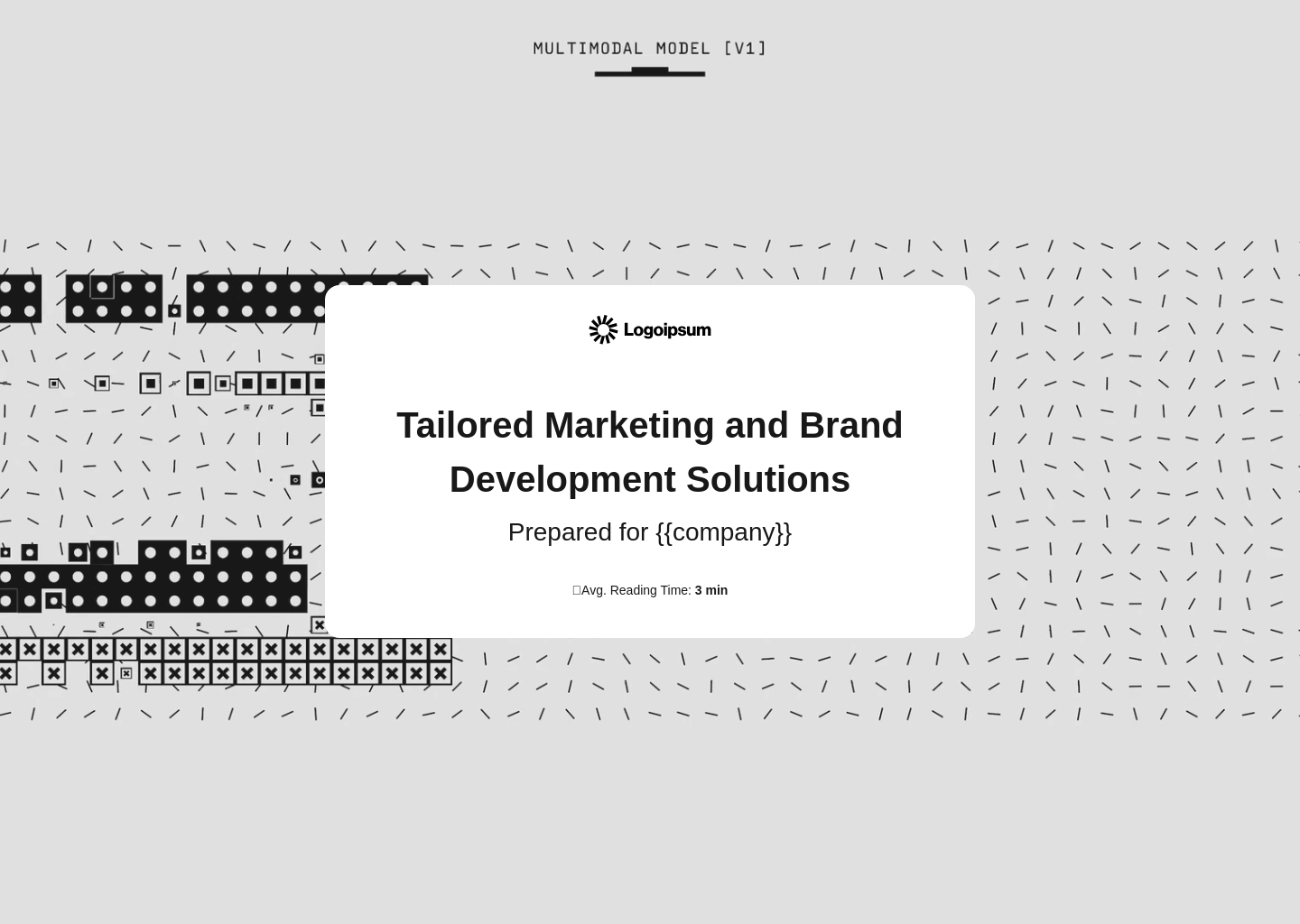
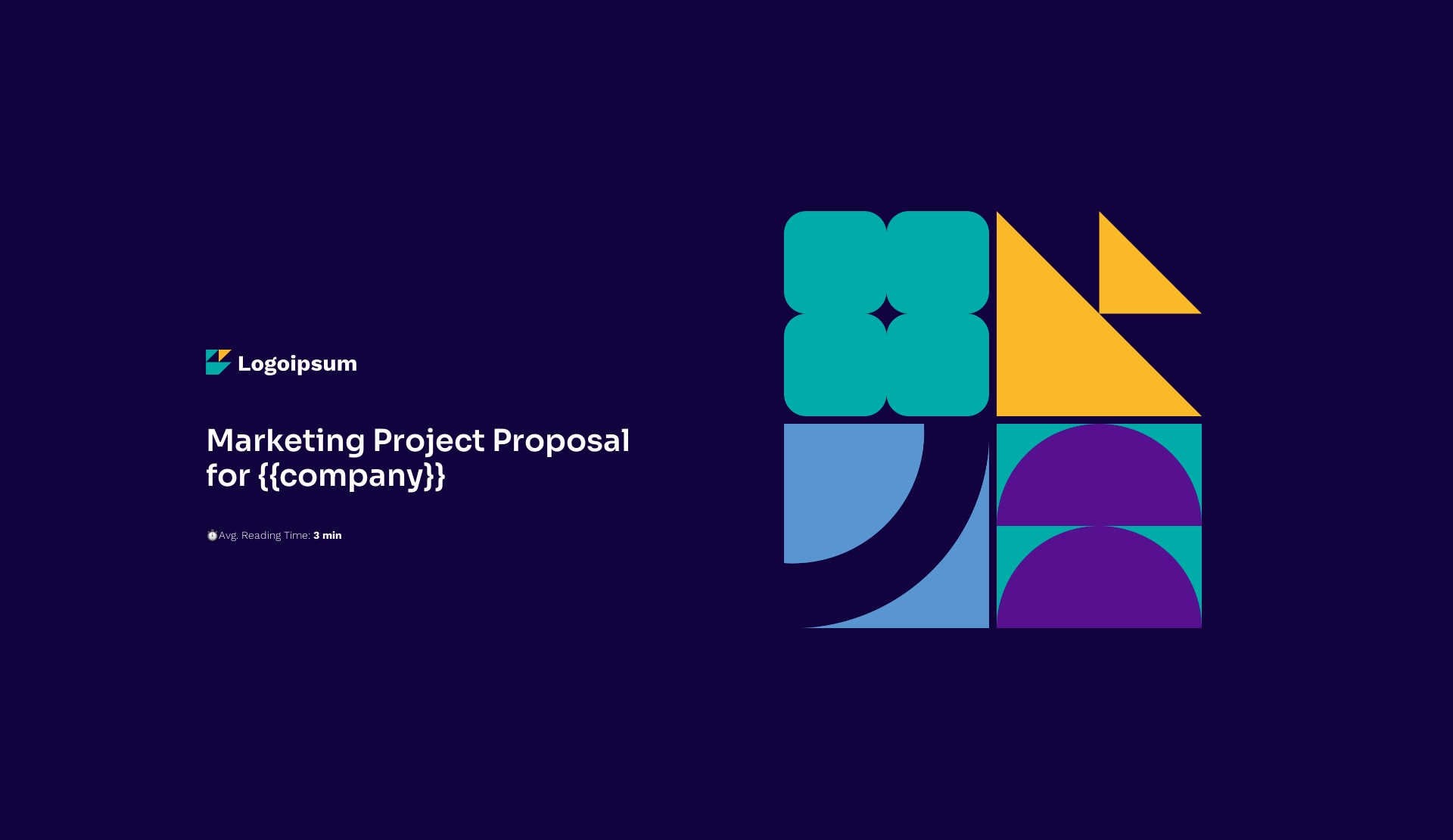
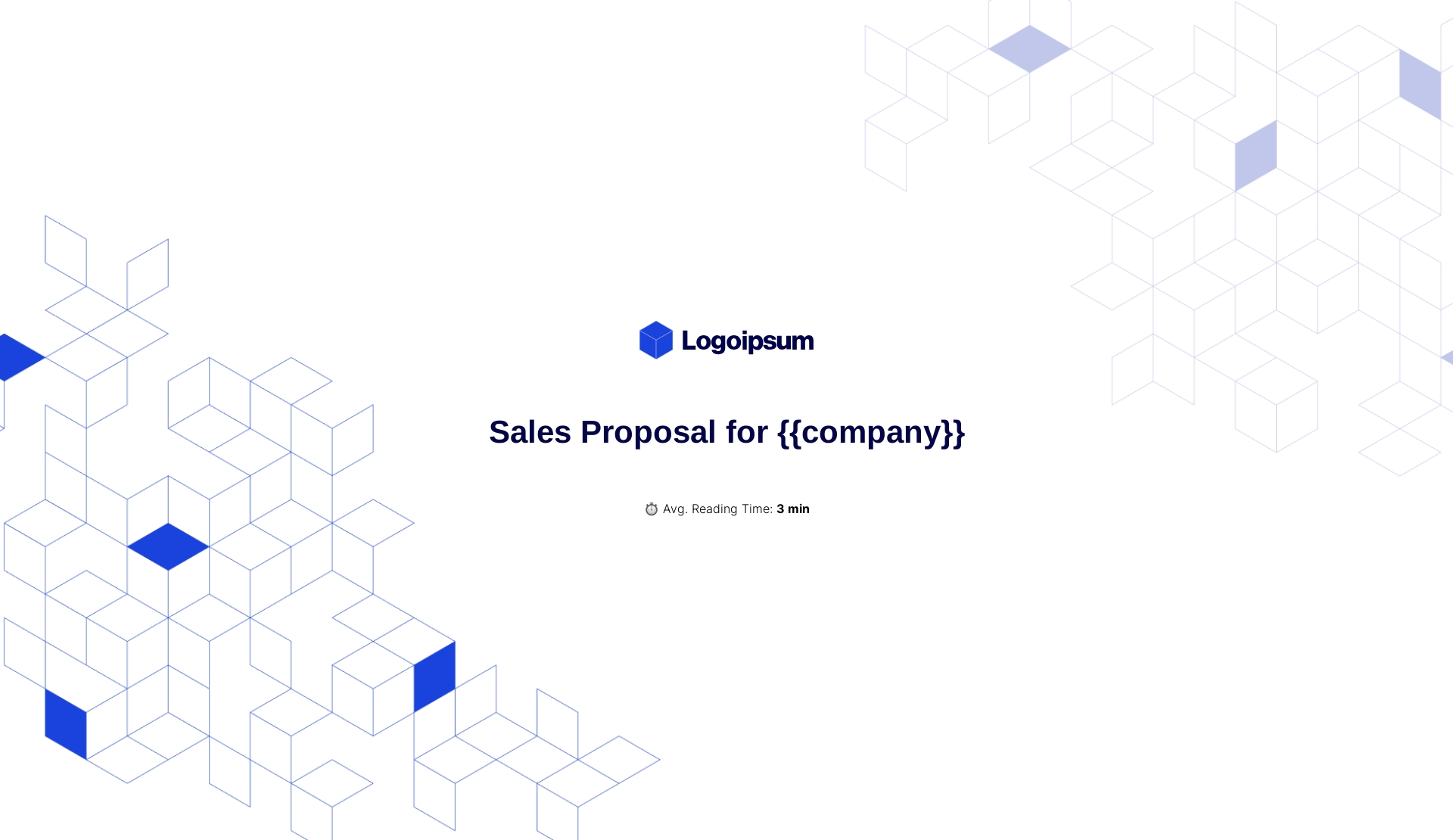
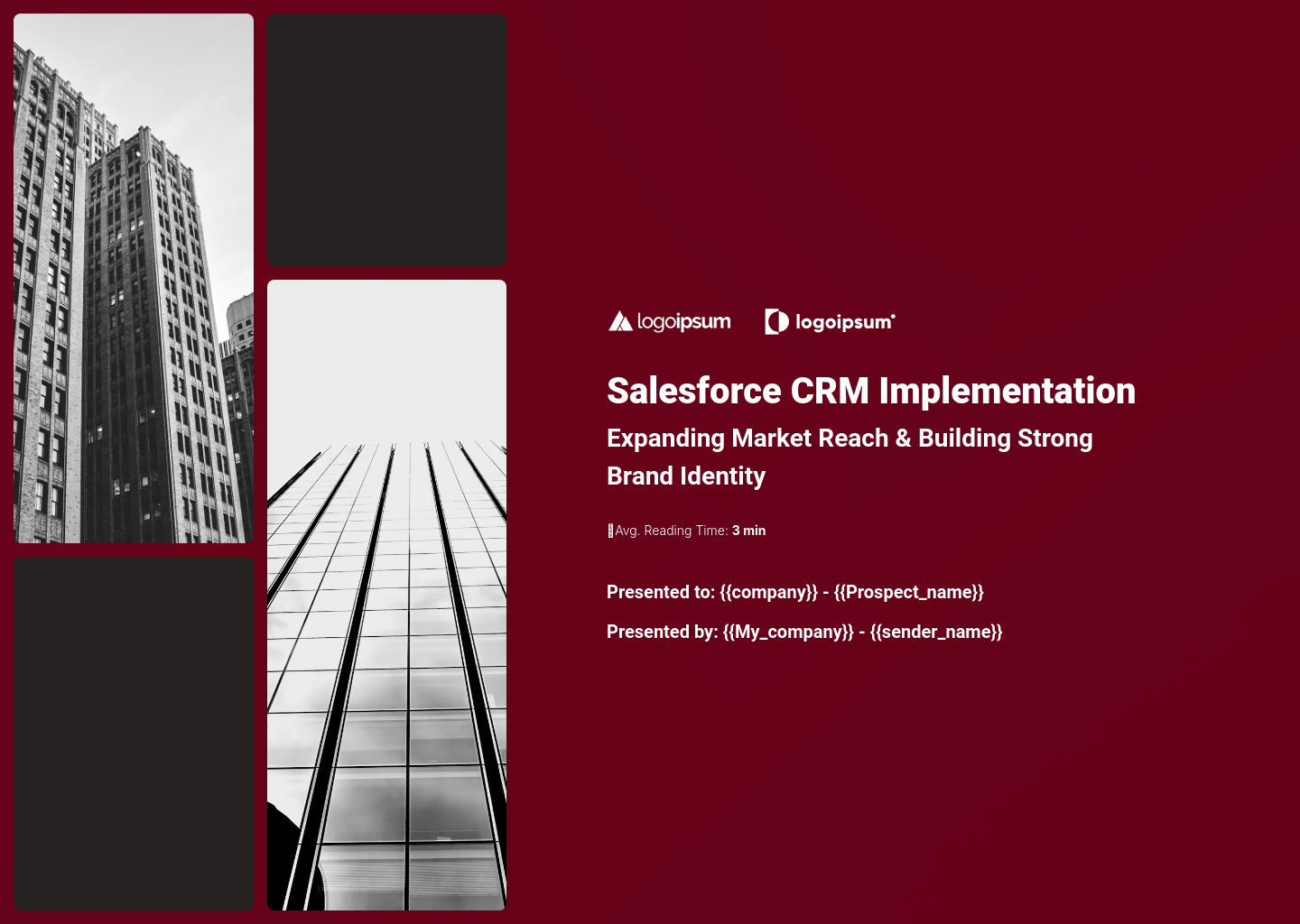
Email can only do so much. Limited to plain text and images, it’s hard to show the true value of what you’re offering. This often leads to generic, forgettable proposals that don’t stand out.
The best way to rise above these limitations is to use your email as a gateway to something better—a dynamic, interactive sales proposal.
Interactive sales proposal templates come with all the sections you need and are designed to grab attention and keep prospects engaged. They’re simple to customize and far more compelling than static PDFs or plain emails.
Just grab one.

