


How to Write an Event Planning Proposal (+Templates)
Learn how to draft an event planning business proposal, with tips on the best event proposal outline, format, and event planner proposal templates.
Set as Preferred Source
An event proposal is created by event planners to pitch their services to clients, sponsors, or stakeholders. It’s used to showcase their expertise, outline logistics, and prove they can deliver a seamless event.
An event proposal aims to win clients by demonstrating expertise, reliability, and a clear event vision. It outlines the event’s concept, logistics, and budget while addressing potential challenges.
A well-made proposal convinces decision-makers that the planner is the best choice to bring the event to life.
Before writing an event proposal, gather key details: client requirements, event goals, venue options, budget estimates, and past event case studies.
Strong visuals, such as mood boards or past event photos, can also enhance credibility. The more concrete details you have, the more persuasive your proposal will be.
What does an event proposal look like?
An event proposal these days is interactive and designed to keep clients engaged from start to finish.
It lets you break down timelines with milestones that unfold as you scroll down and present budgets with dynamic charts or expandable text sections.
You can add videos and photos to really bring your event vision to life, helping clients picture every detail. This interactive approach makes it easier for them to get on board and approve your plan.
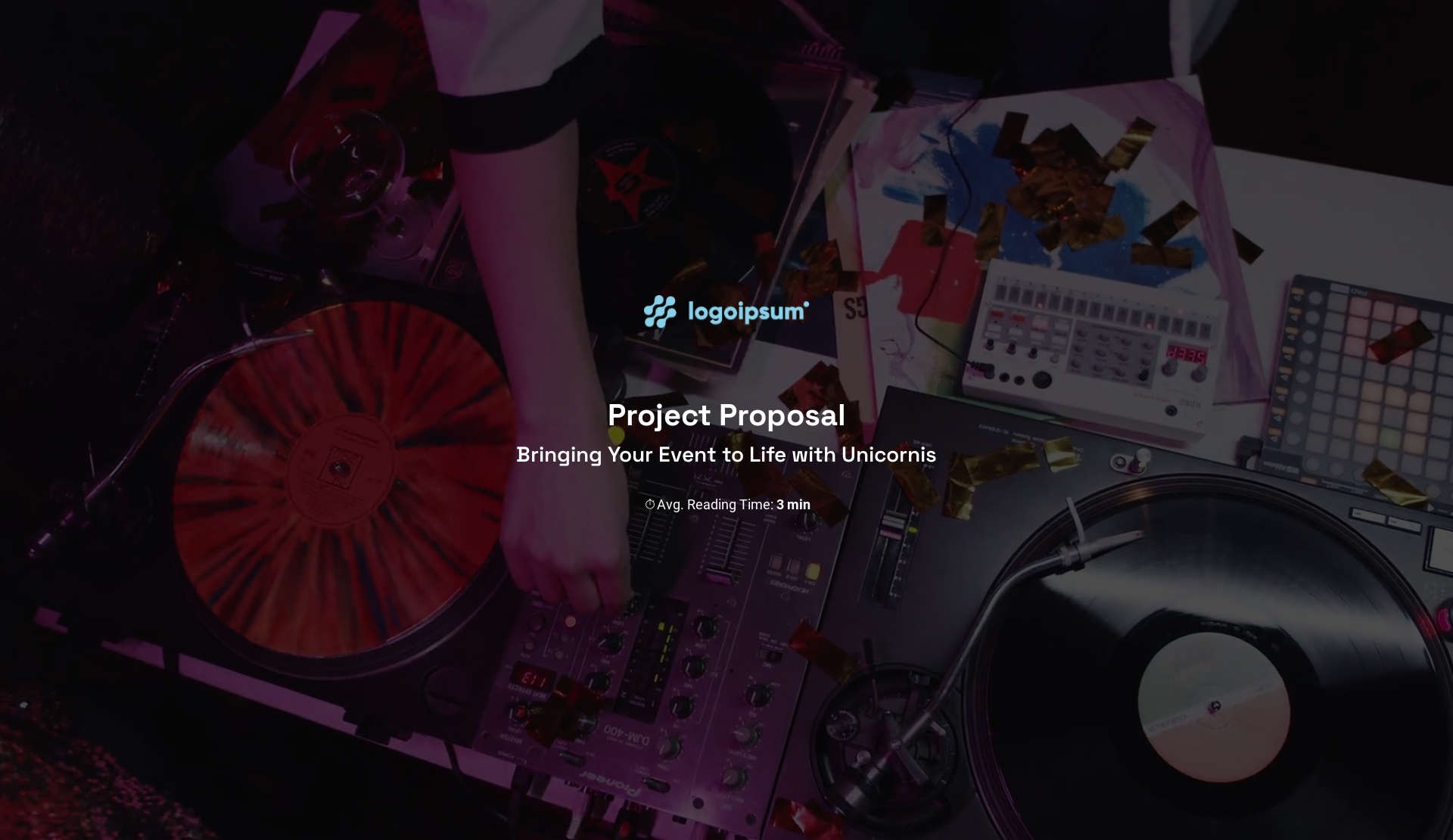
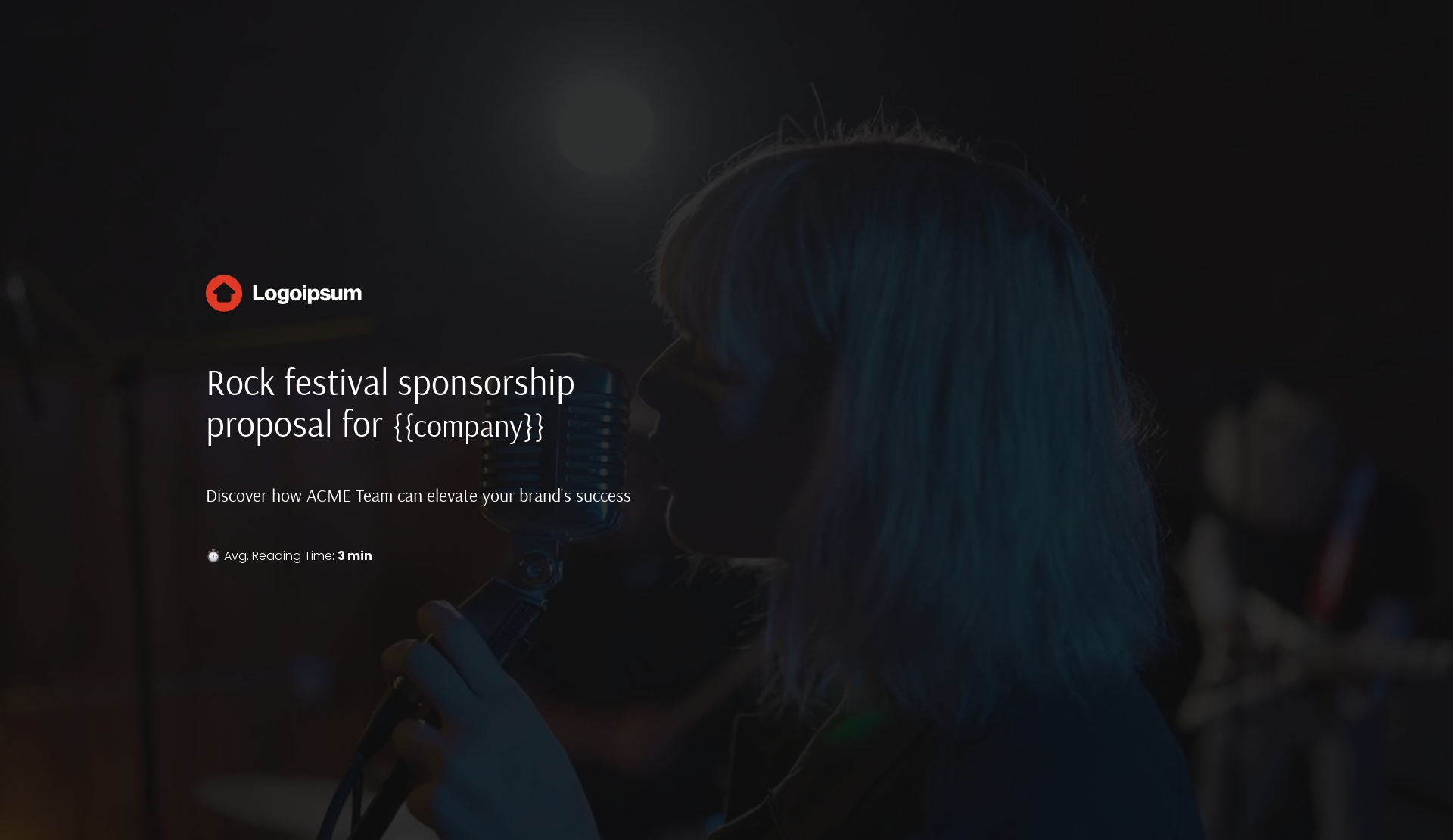
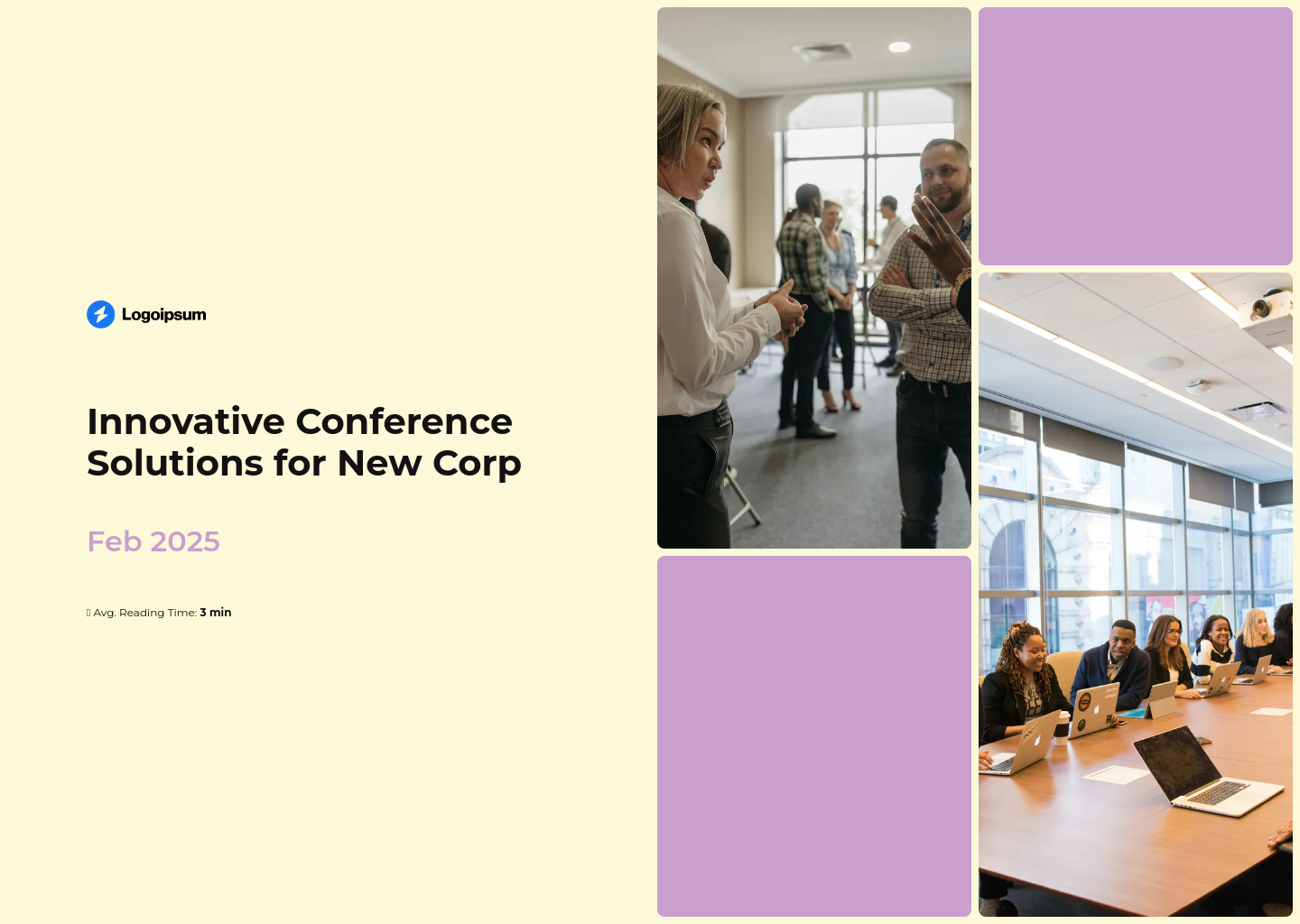
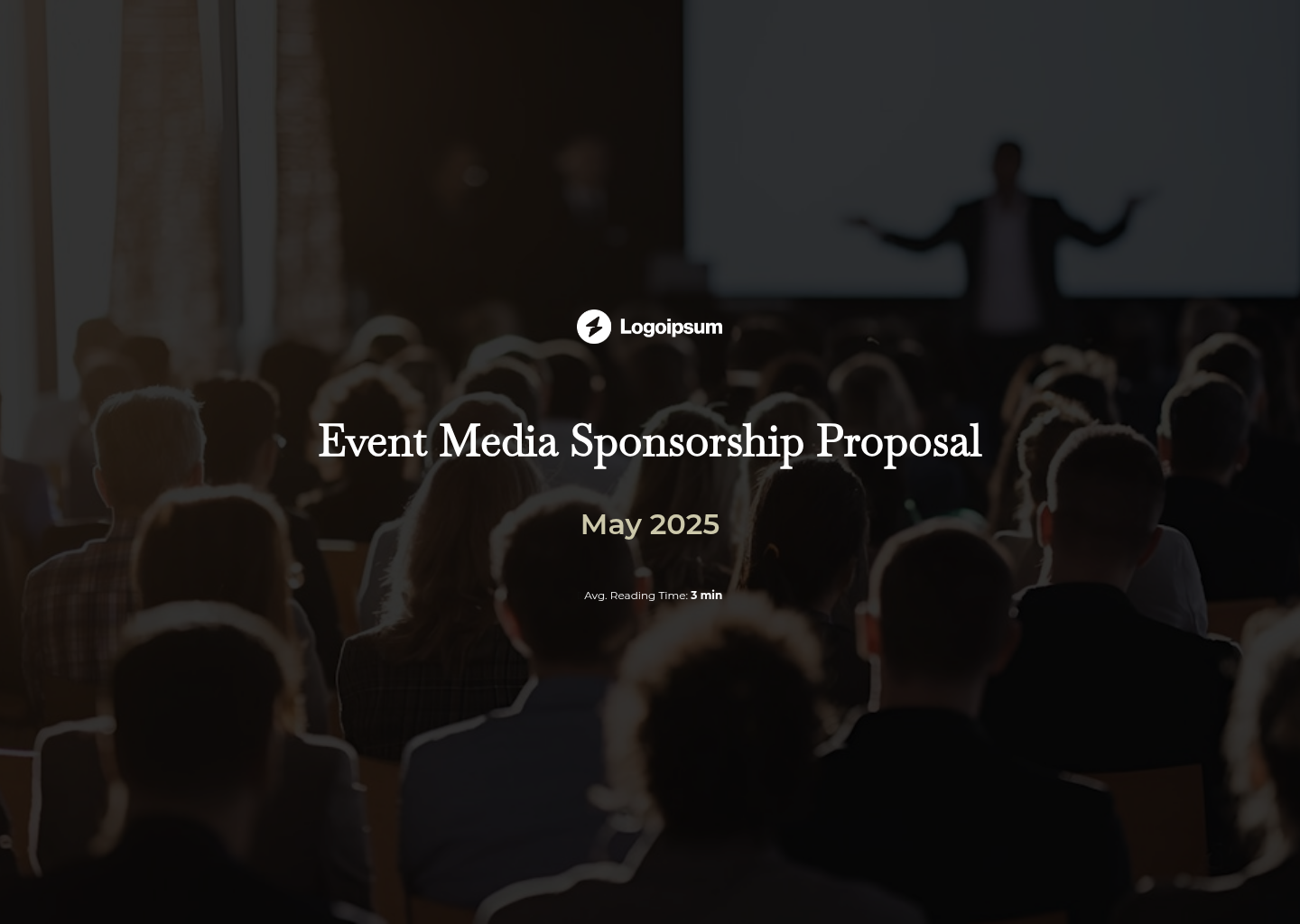
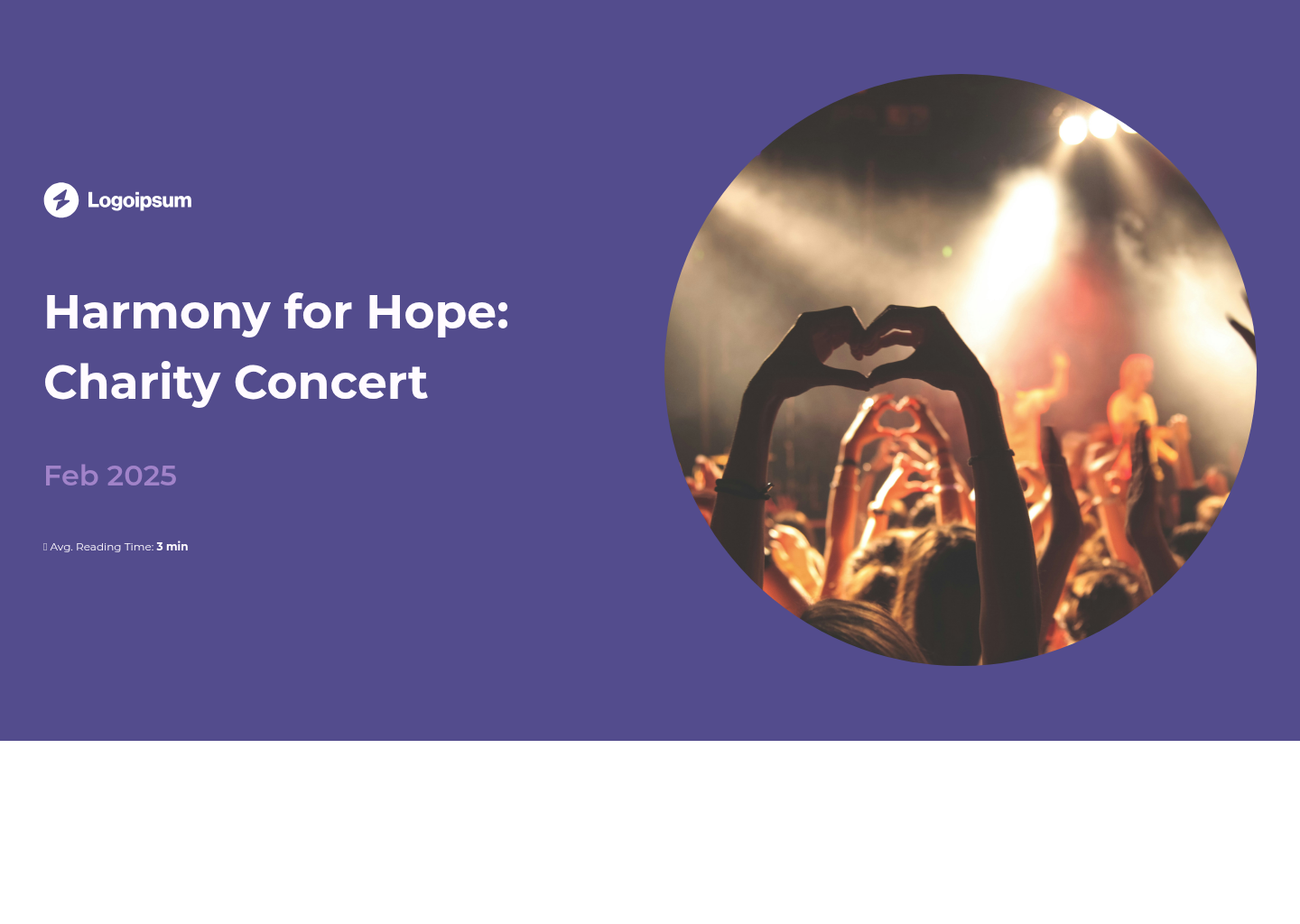
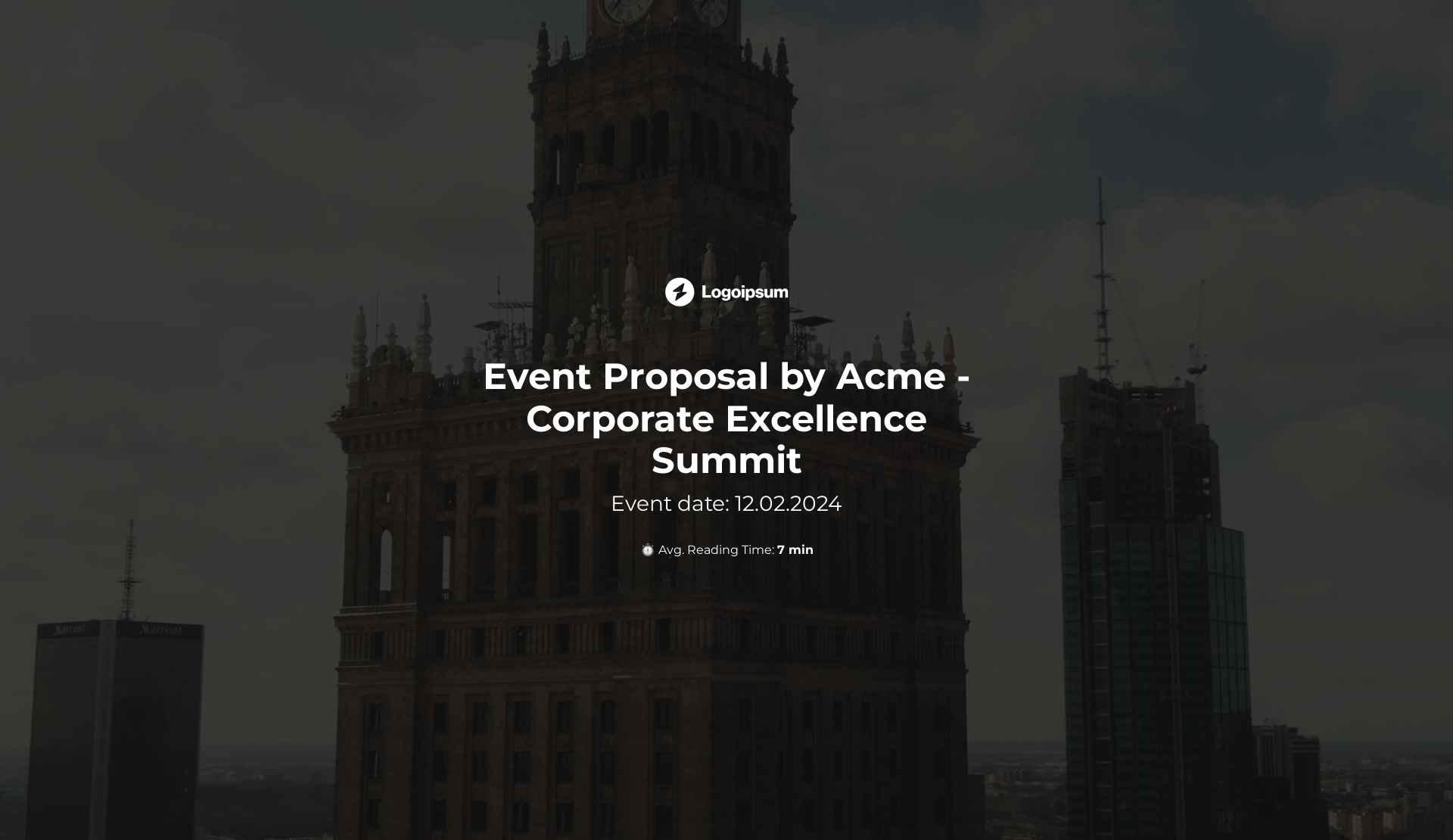
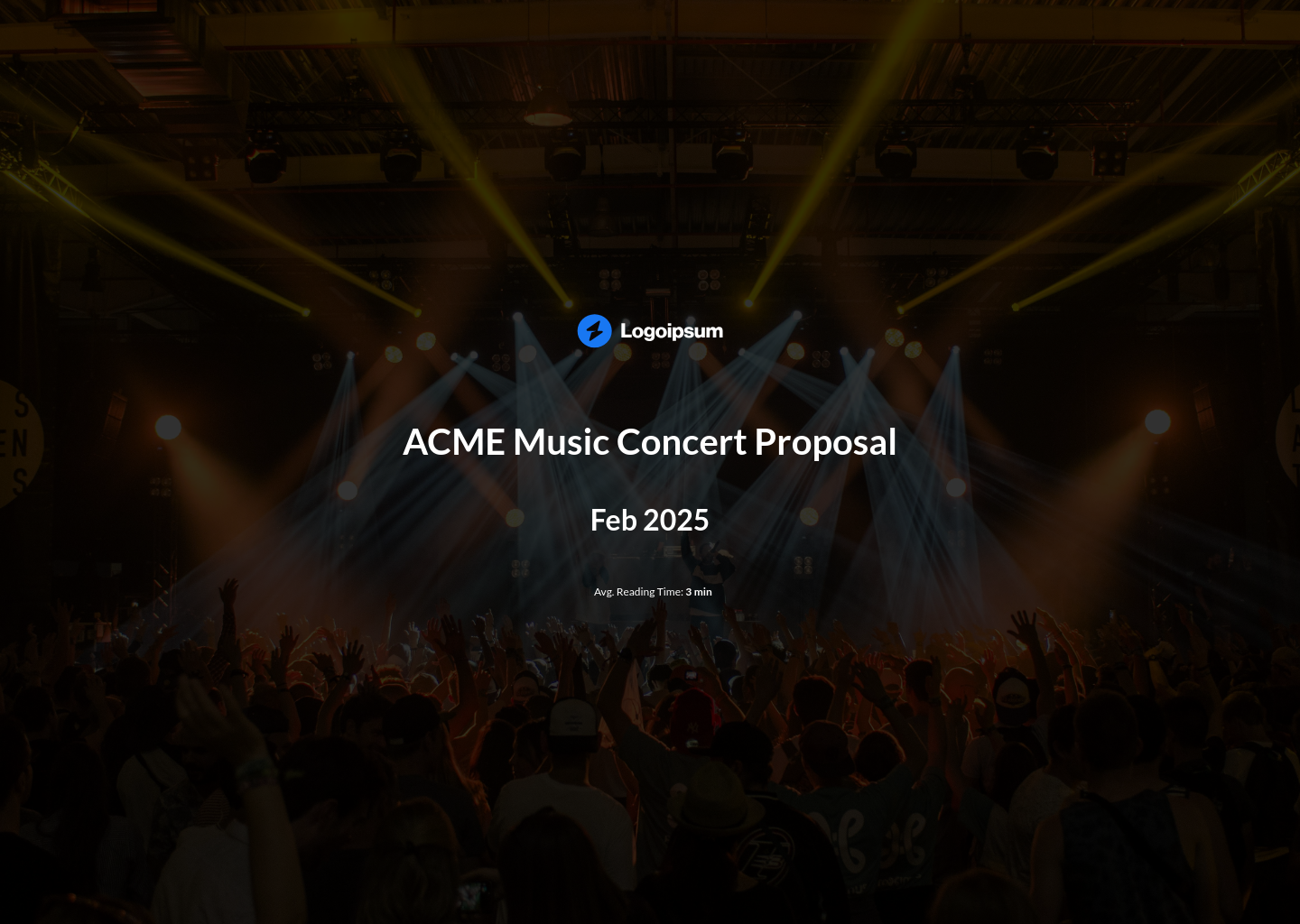
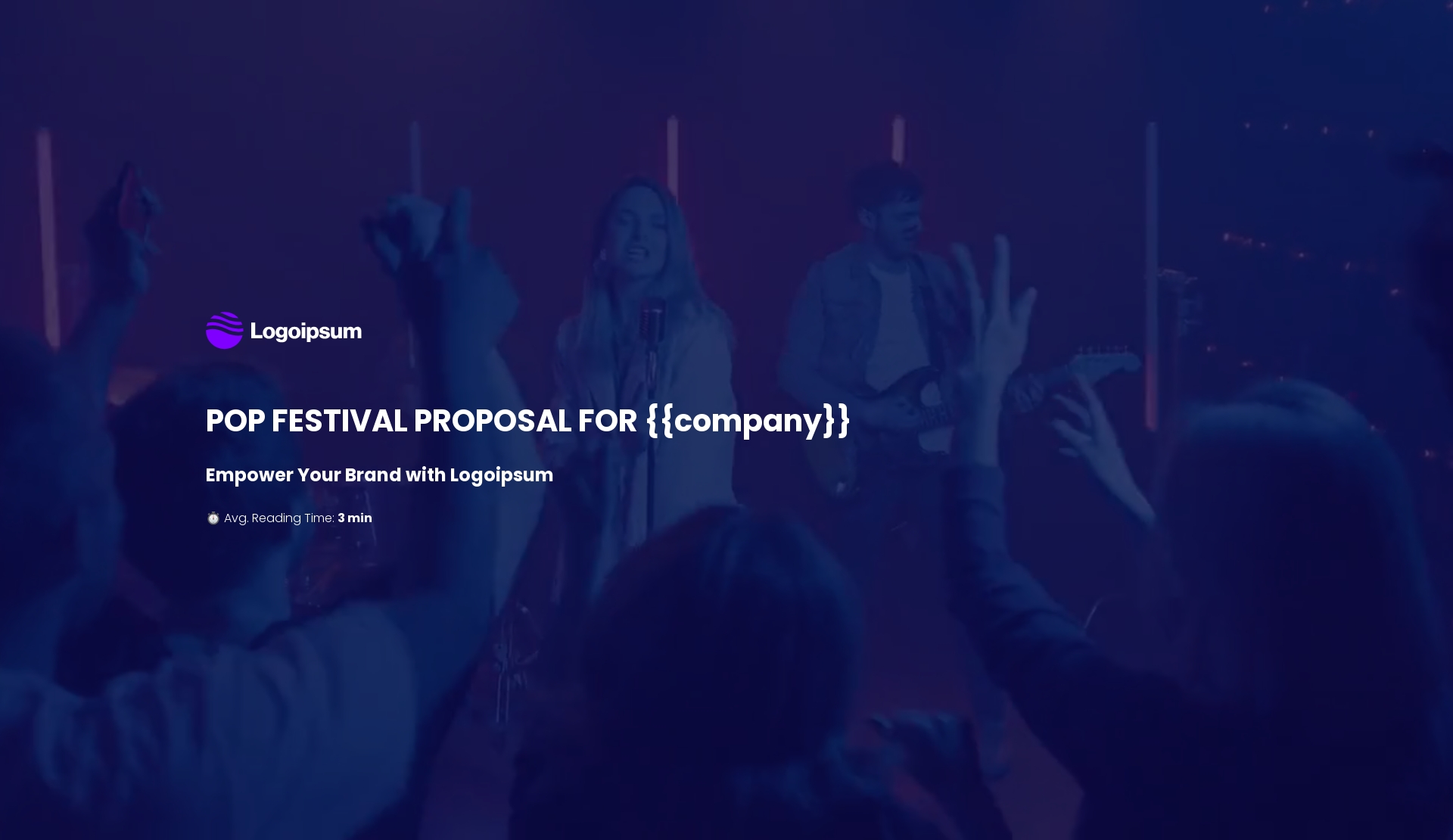
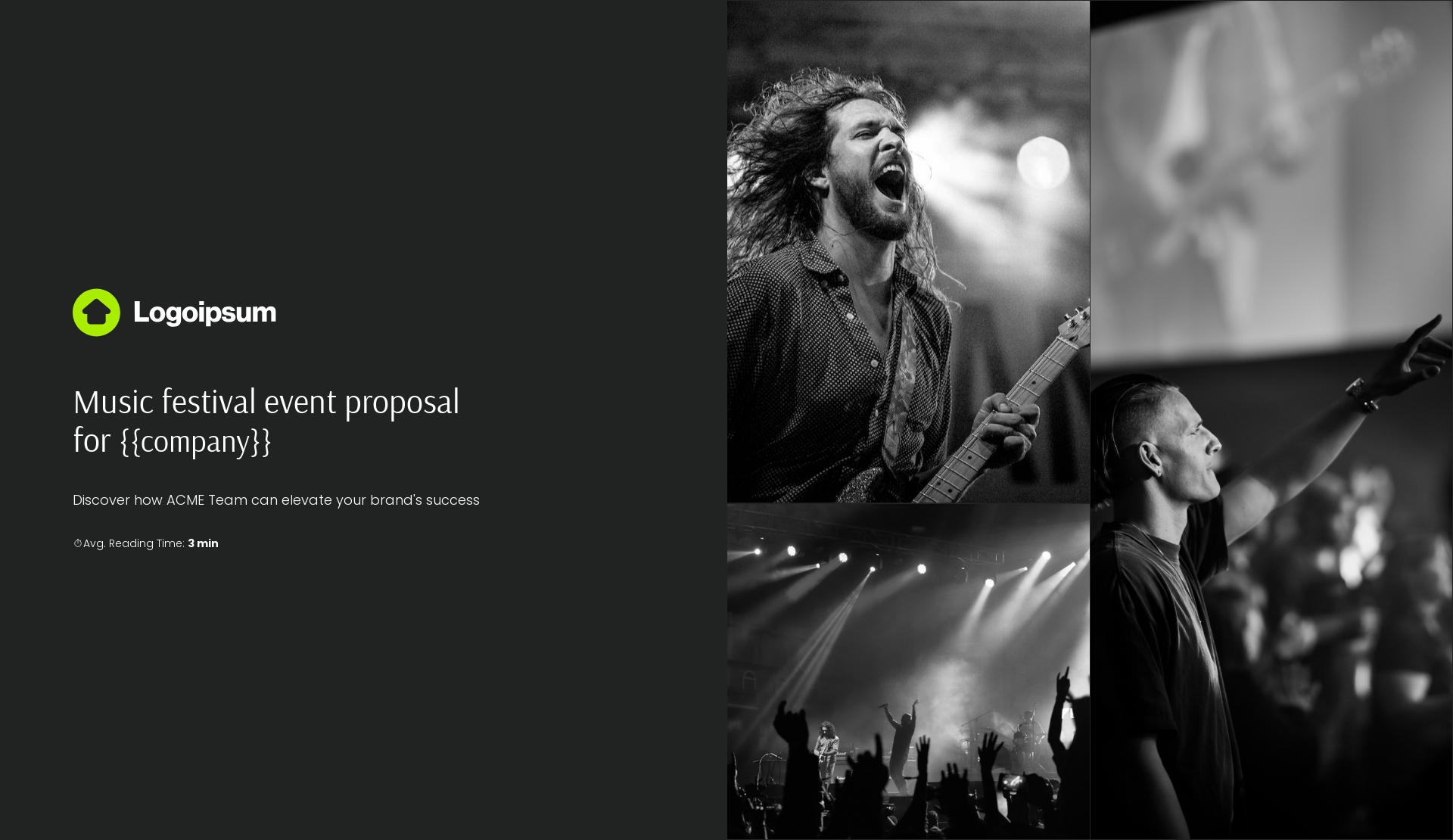
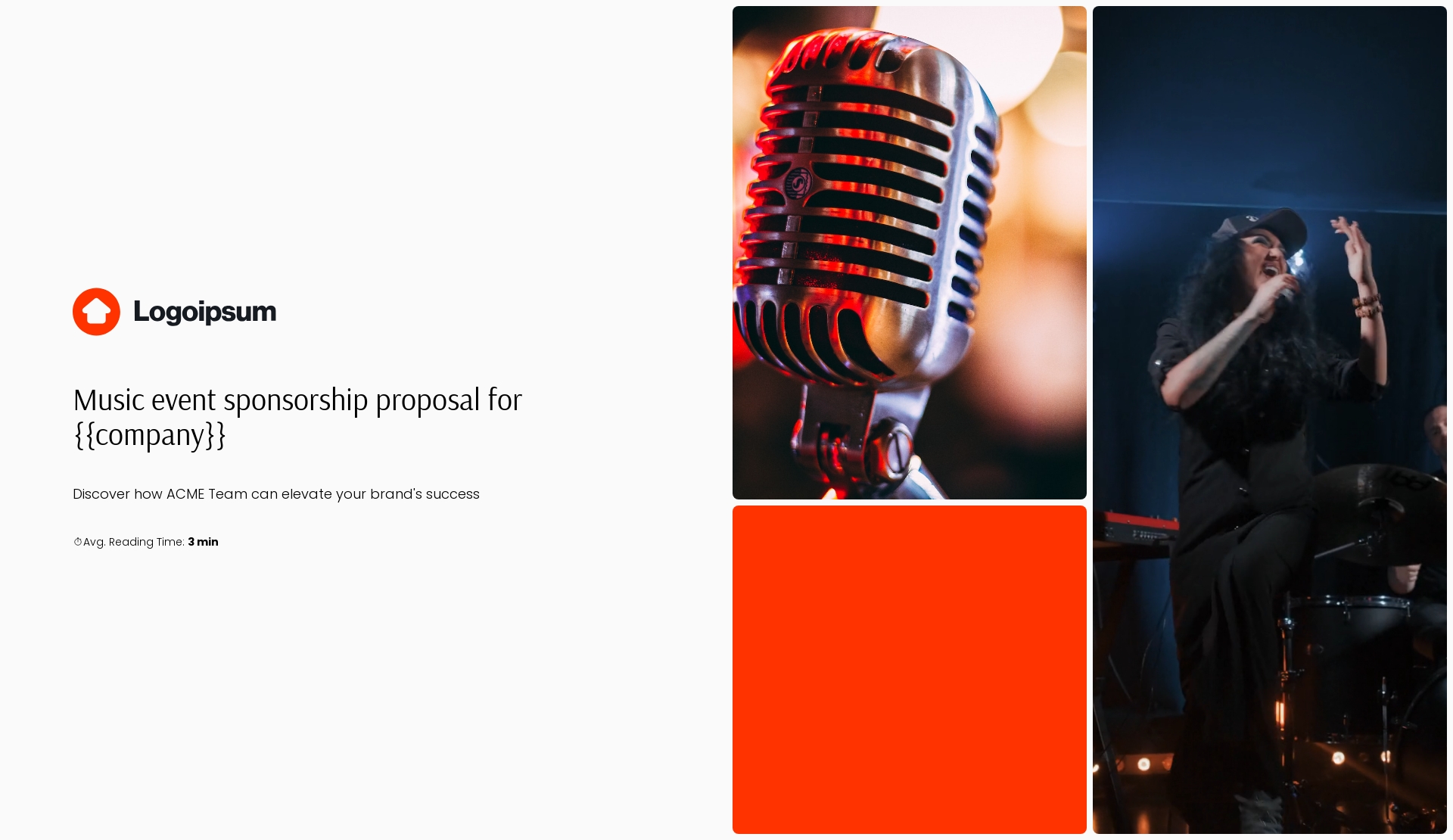
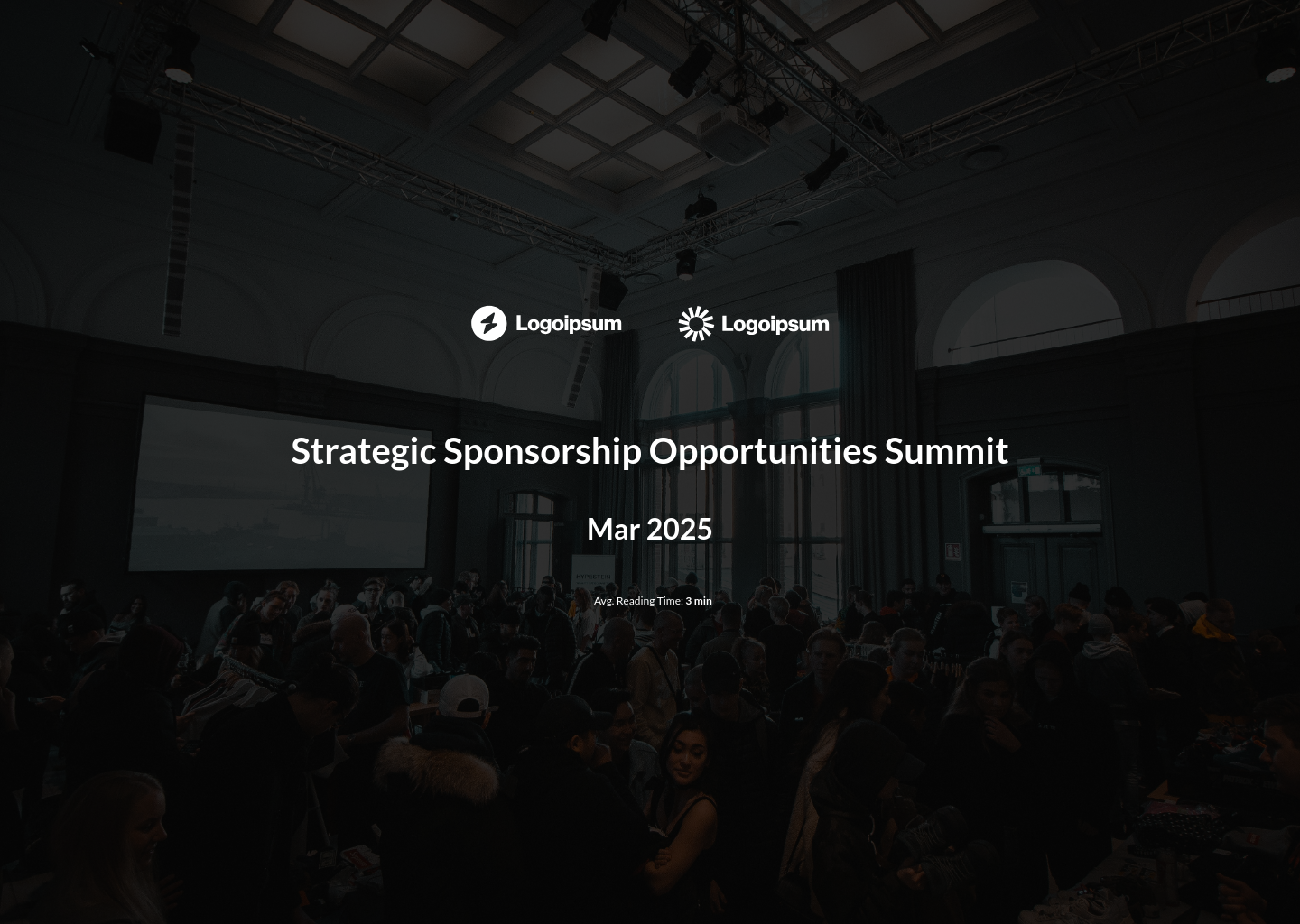
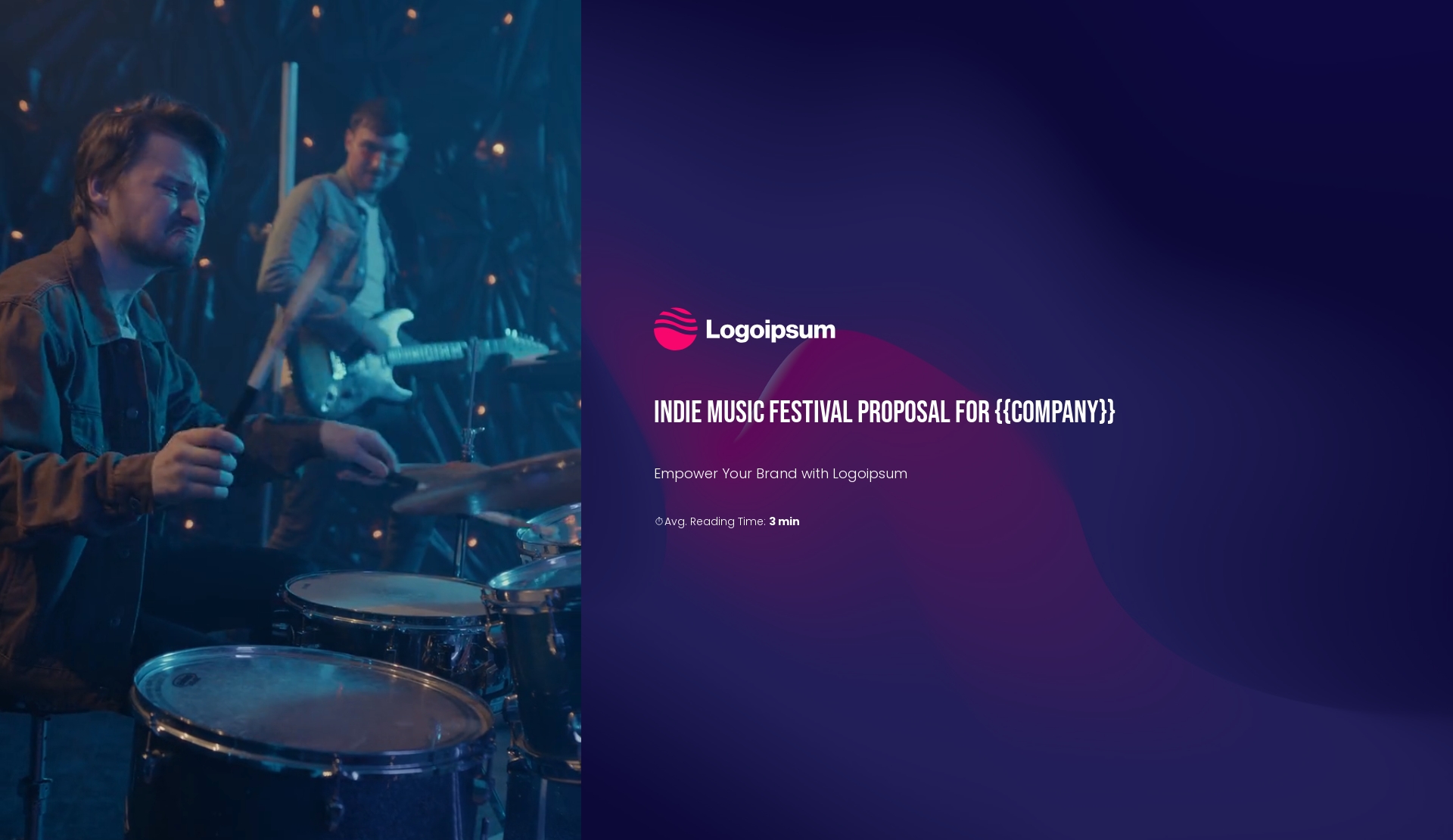
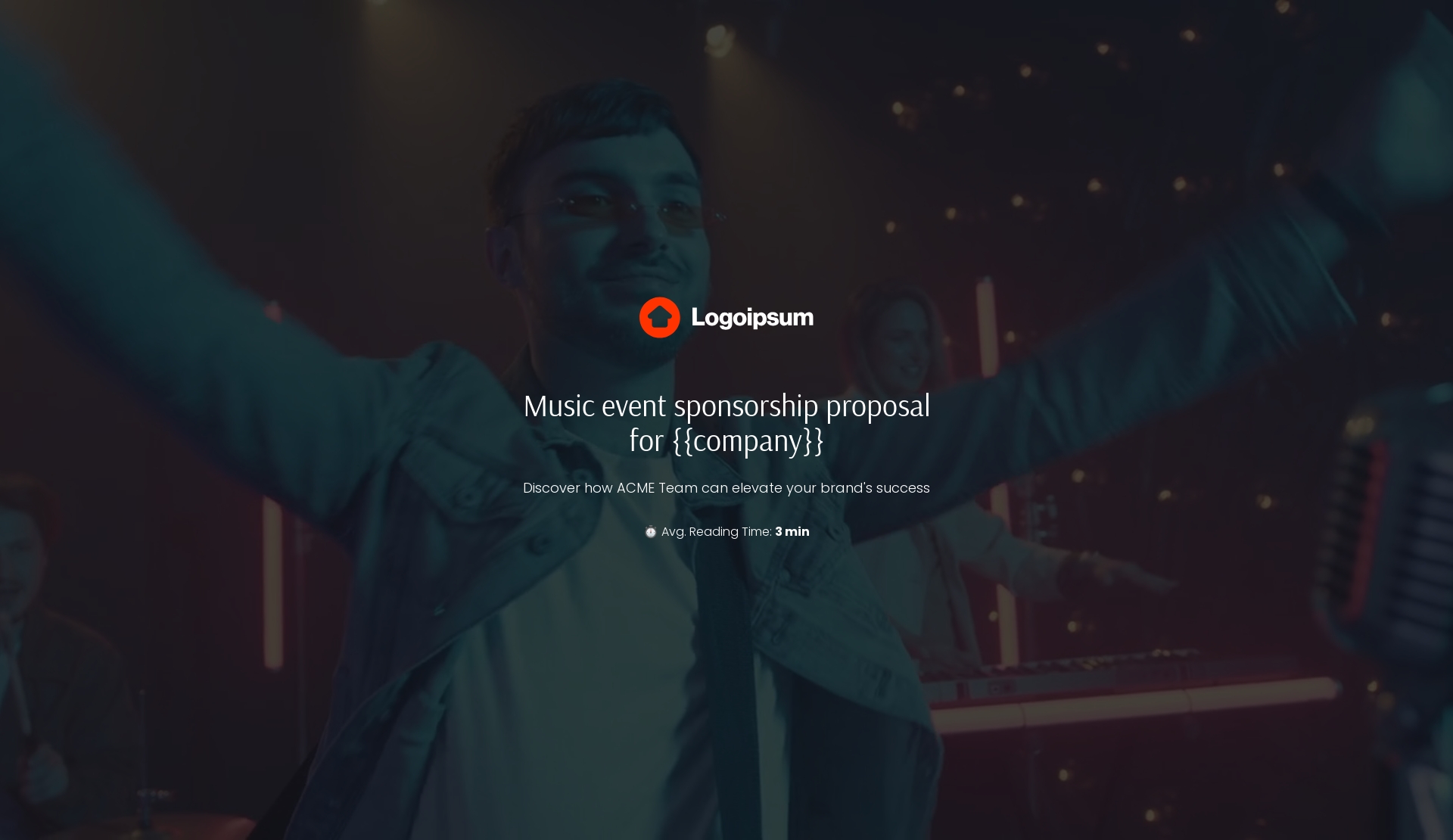
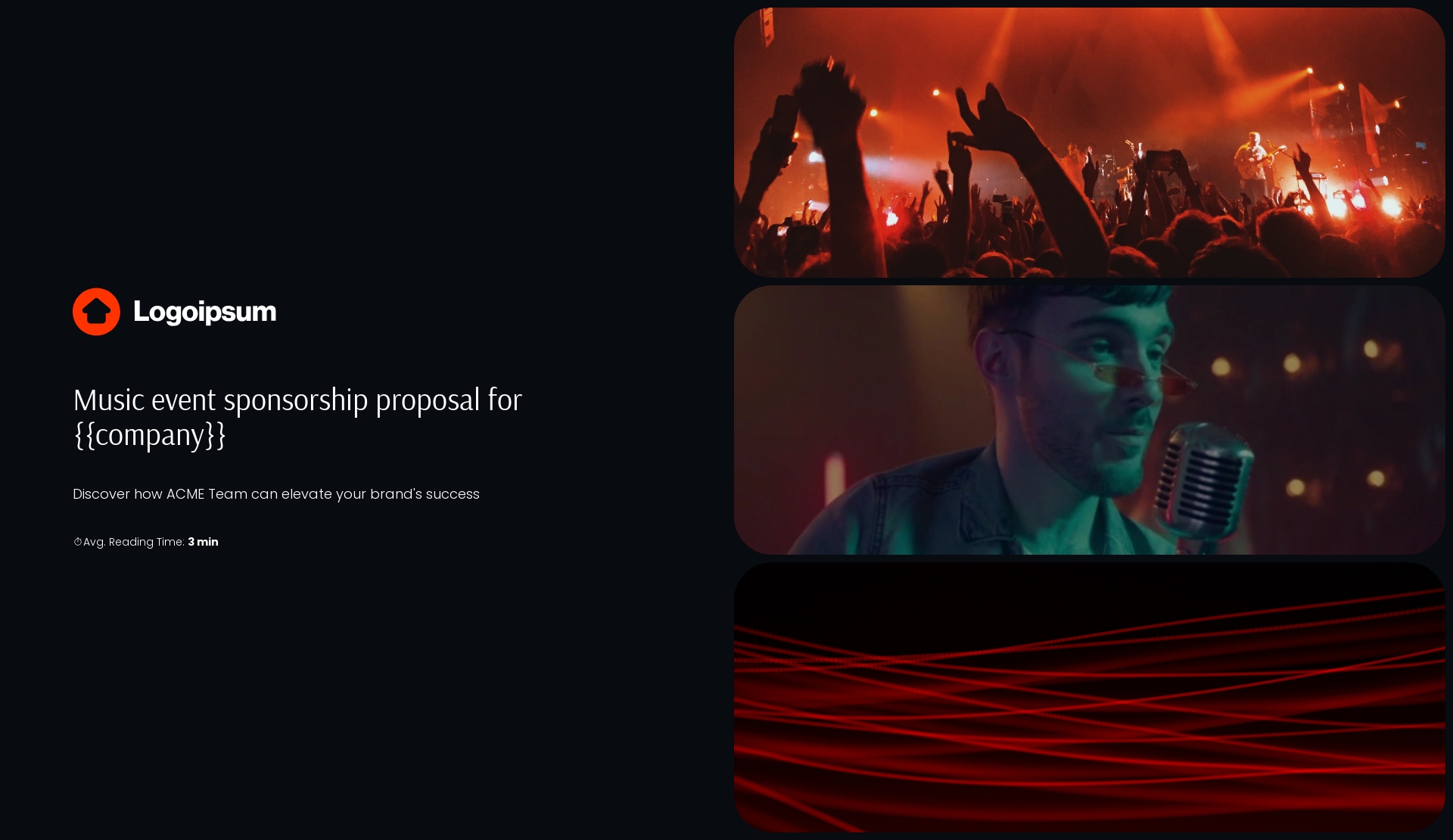
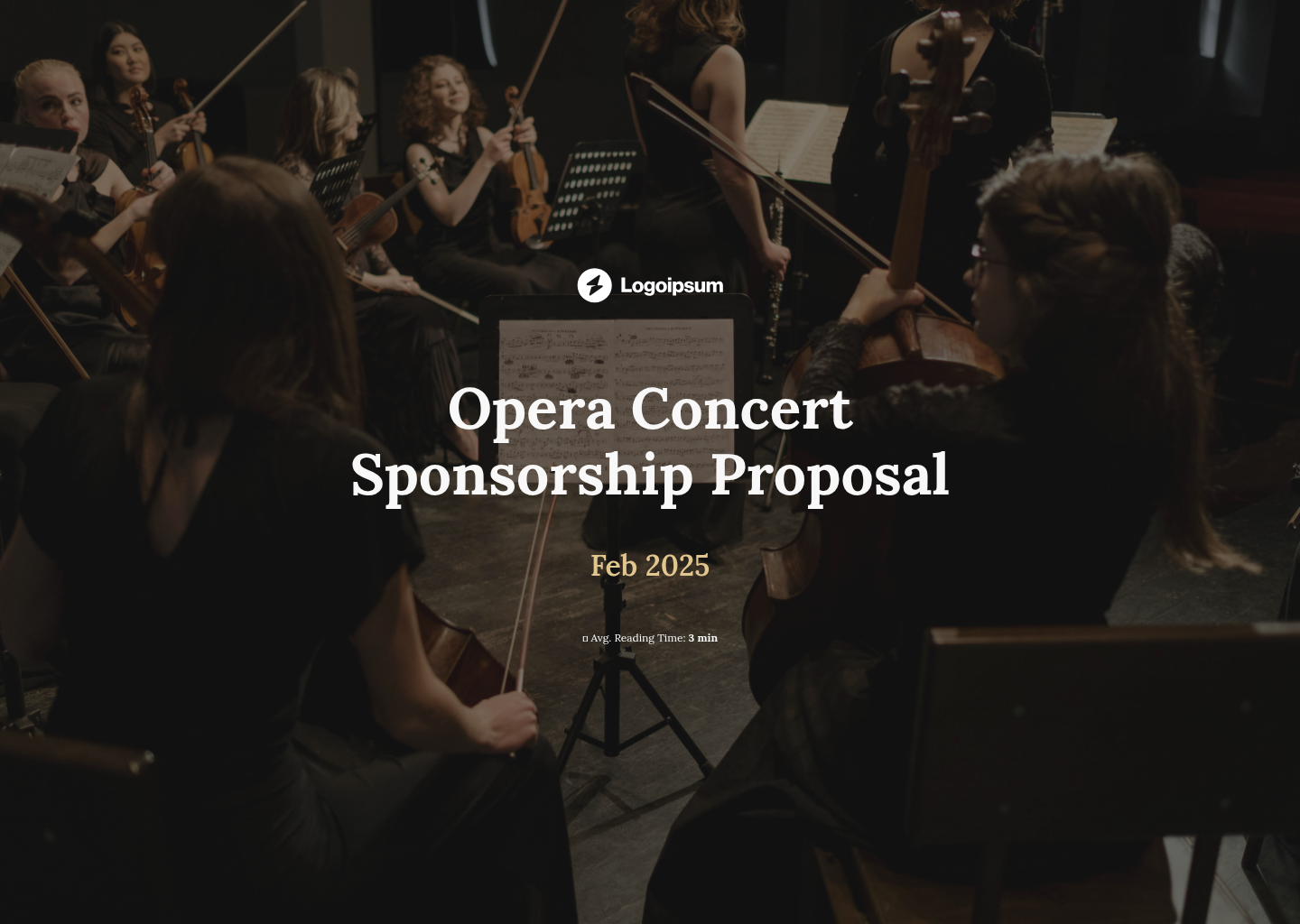
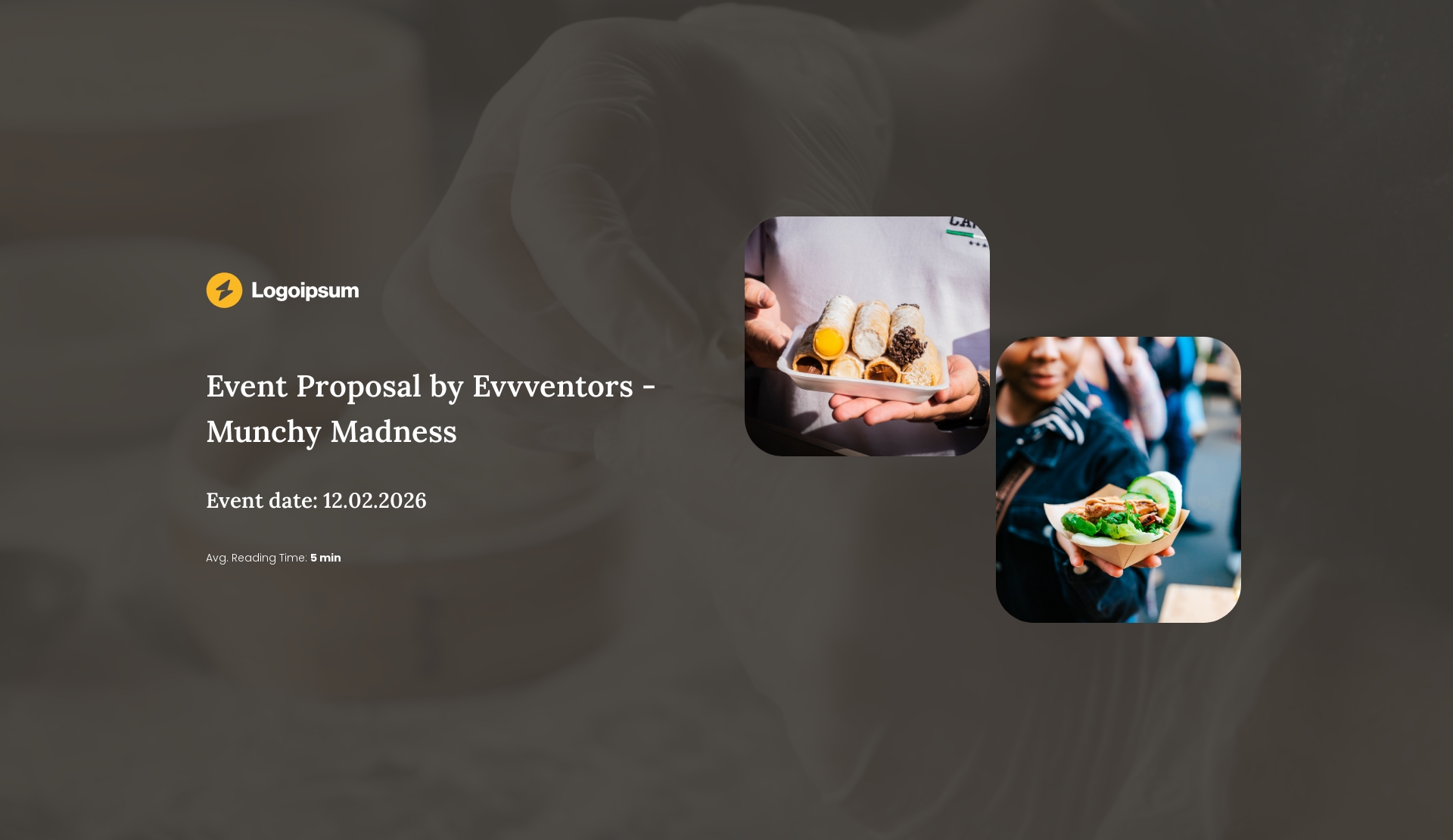
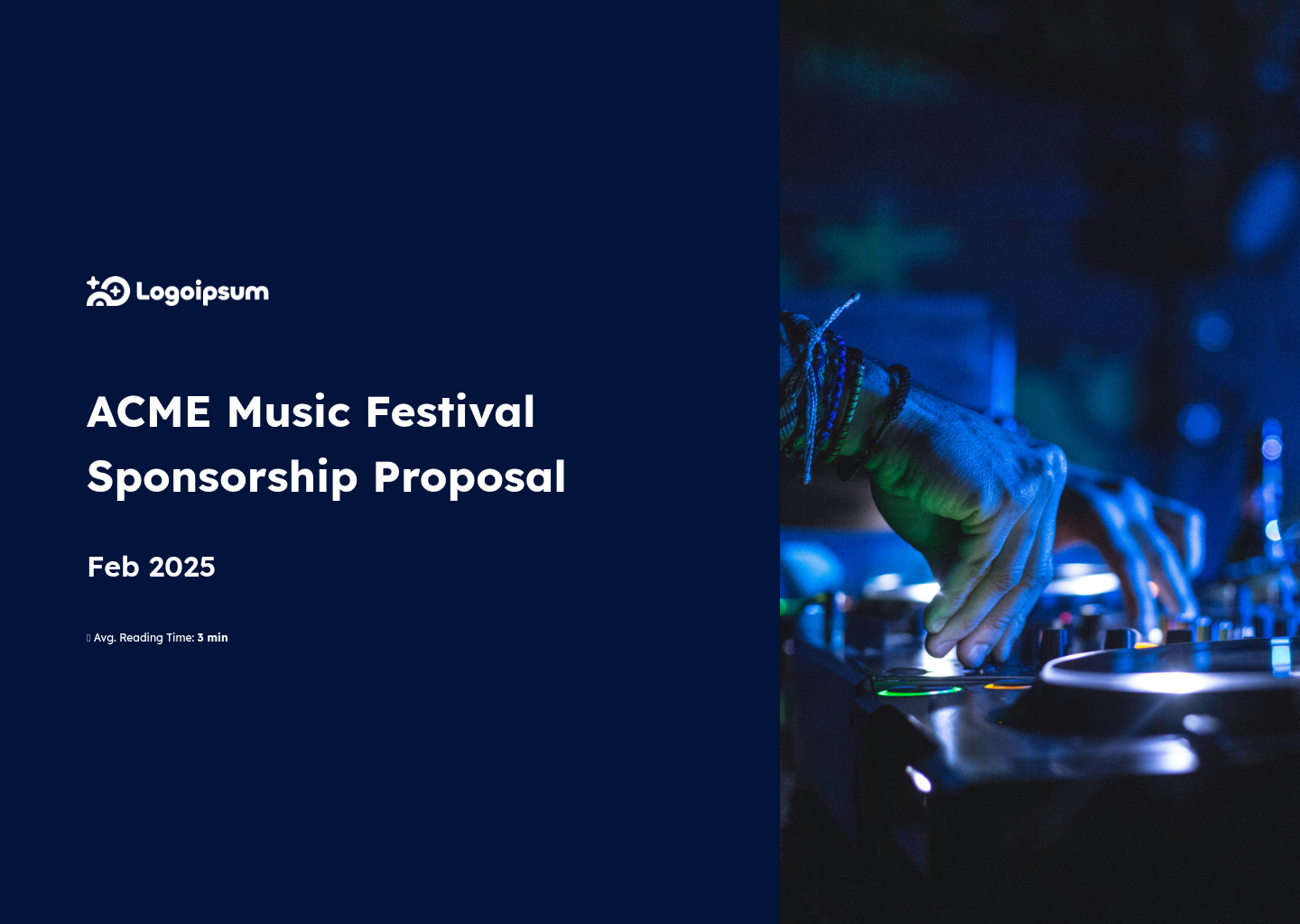
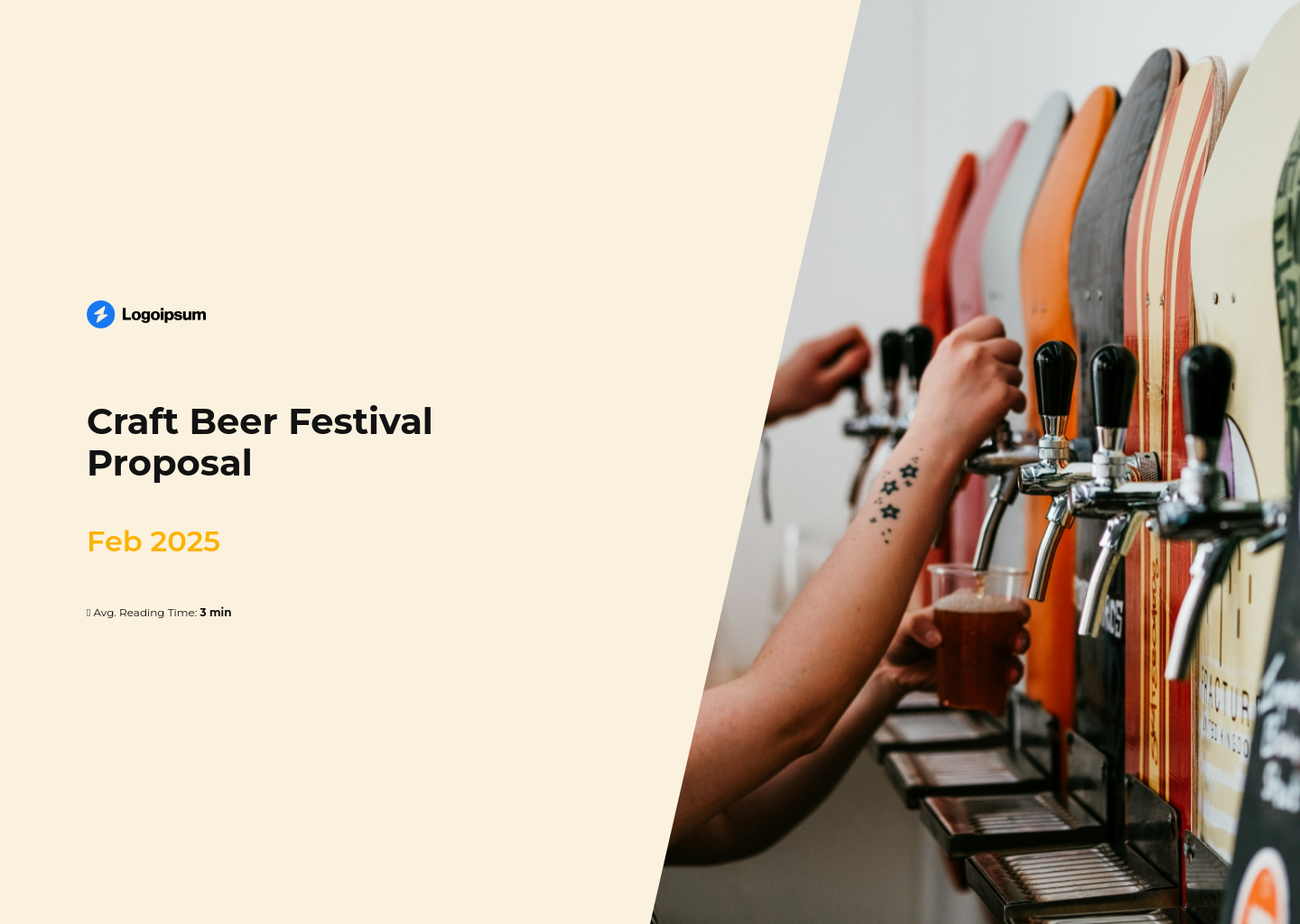
Here’s an example of an interactive event planning proposal:

Scroll to preview
How to write an event proposal to impress decision-makers?
What makes your event proposal shine is your unique approach to organizing and running the event. That’s what sets you apart. If you focus too much on the dry details or don’t make your deck stand out, you’ll lose.
What I’ll teach you in this blog post is how to take your proposal beyond just talking about the event and make it about providing unique value.
You’ll learn how to perfect each slide and create an amazing event planning proposal as a whole.
What to include in an event proposal?
- Title slide
- Introduction
- Event overview
- Purpose of the event
- Event details
- Event schedule
- Key benefits
- Marketing and promotion strategy
- Budget overview
- Team
- Past events
- Optional: Sponsorship packages
- Terms and Conditions
- Next steps slide
1) Title slide
If your event proposal is meant to tell the story of your event, then the title page is like the cover.
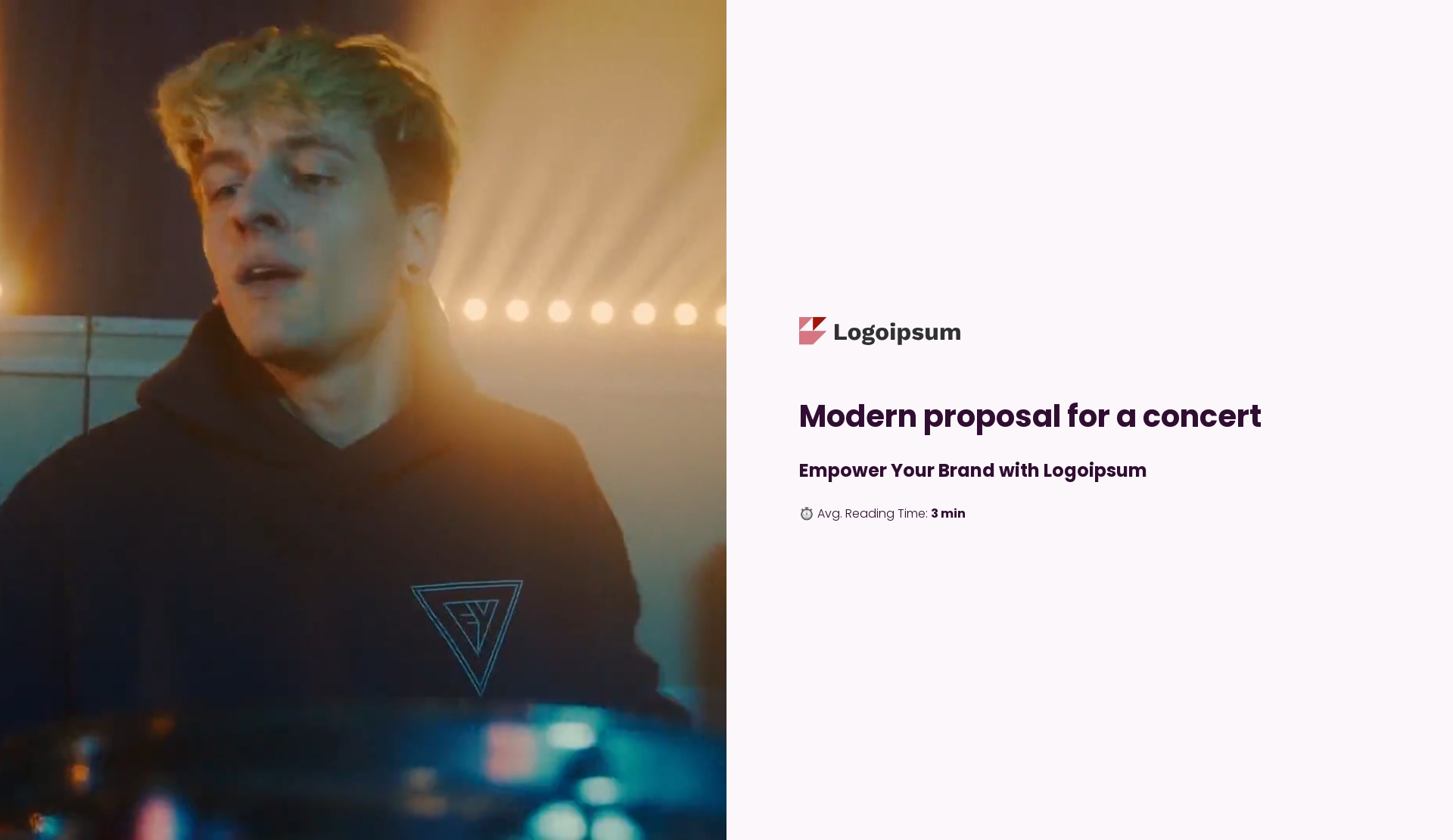
Adding a video is an instant way to showcase the atmosphere and energy of your event, pulling the reader in from the start. Think of it as giving them a sneak peek of the experience you’re offering.
Add your logo, and for a personal touch, use tags that auto-fill both your and your recipient’s name and company. It shows you’re not just sending out a generic pitch.
2) Introduction
Your introduction is where you convince them that you’re not just another event organizer—you’re the organizer they need.
Listing credentials alone won’t cut it; this is your chance to inject some personality into your deck. Why do you do what you do? What makes you stand out?
You’re offering them more than an event—you’re offering a trusted partnership, and they need to feel confident that you’ll deliver something extraordinary.
3) Event overview
The event overview is your chance to draw the reader in. Yes, you’ll need to mention the date and location, but don’t just stop at the basics—that’s not what’s going to get people excited! Highlight the things that make your event unforgettable.
Maybe it’s the 10 powerhouse speakers you’ve lined up, or 30 insanely talented artists bringing their best work, or that headliner who’s going to leave everyone talking for weeks. These are the things that get people talking!
The goal here is to make them want to be part of something special. They should already be feeling the energy and excitement, even before they read the details.
4) Purpose of the event
The purpose slide is where you make them care about your event. Too many proposals jump straight into the dry details—don’t be one of them!
Use this space to tell the “why” behind your event. Why is this event happening? Why is it important? And most importantly, why should they care?
Whether it’s to inspire, to educate, to bring a community together, or to raise awareness for an important cause, this is where you get personal.
Make sure to paint a clear picture of your target audience. Who’s going to be there—industry leaders, creative professionals, or the local community?
Defining your audience is key because it helps the client understand the event’s impact and why it matters. When they know exactly who will be there, it’s easier for them to visualize the event’s success and how it fits with their goals.
5) Event details
When it comes to event details, don’t just rattle off the basics—make them feel it!
- Describe the venue options—are you going for a sleek, modern space or a historic gem with loads of character?
- Next, get them excited about the experience. Whether it’s hands-on workshops, inspiring speakers, or an unforgettable performance, these are the moments that will keep people talking long after the event ends.
- Now, let’s talk logistics—what suppliers are you working with? Catering, AV teams, stage setup—these details matter because they show how well-organized and thought-out your event is.
- Don’t forget to mention any event policies, like ticketing rules or cancellation policies. These details help manage expectations and show that your event is well-organized from start to finish.
6) Event schedule
When it comes to your event schedule, it’s all about giving your readers a clear picture of how the day will unfold.
Instead of bombarding them with a wall of text, use a neat, visually appealing timeline slide to break it down. This way, you can walk them through the agenda without overwhelming them.
And if you’re seeking sponsorships at the same time, this works really well too.
A well-organized timeline lets sponsors quickly see where they could get involved—whether that’s sponsoring a session, a break, or a headline spot. It’s a practical way to help them understand how they fit into your event.

7) Key benefits
When it comes to key benefits, you’ve got to show why hiring you as the event planner is the obvious choice.
Clients need to feel confident that they’re choosing someone who’s passionate, detail-driven, and can pull off an unforgettable event from start to finish.
And if you’re also seeking sponsorships, you need to make it clear that sponsors will be front and center with the right audience—the kind of people they want to connect with.
Whether you’re planning or securing support, it’s all about making sure everyone sees the value in what you’re offering. Show them why you’re the person to bring their vision to life.

8) Marketing and promotion strategy
When laying out your marketing and promotion strategy, be clear about how you’re going to reach the right audience—whether that’s through targeted social media, partnerships, email marketing, or PR.
Make sure to show how each tactic connects with your audience. This helps potential clients see that you know exactly how to engage the people who matter most.

9) Budget overview
Your budget overview should clearly show both the expected revenue and planned expenses.
Begin by outlining how much you expect to bring in from ticket sales, sponsorships, exhibitor fees, or other revenue streams.
Next, break down your costs by category—venue, catering, marketing, staff, and production.
Be as detailed as you can to show you’ve covered all the bases. Make sure your budget balances delivering a top-quality event while keeping costs under control.
And please, don’t just throw in a dull table of numbers! Use interactive tables with expandable sections or dataviz slides so you can provide details without overwhelming anyone.
10) Team
In the team section, don’t just throw out names—show why your team is the best fit for the job.
Highlight each person’s experience and strengths, and explain how they’ll help make the event a success. Make it clear that your team can handle any challenge and ensure everything runs smoothly.
This builds trust and shows your clients that you’ve got the right people to deliver an unforgettable event.

11) Past events
When you talk about your past events, don’t just describe them—show them.
Include some images or videos that capture the best moments. Let them see the packed room, the buzz in the crowd, or the energy in a panel discussion. It’s one thing to tell people, but showing them really makes it come to life.
And take it a step further—link to your portfolio so they can really explore your work. Let them see the events you’ve brought to life and get a sense of your style and expertise.
It’s one thing to tell them what you can do, but giving them a real look at your past projects helps them imagine what you could create for them.
12) Optional: Sponsorship packages
Including a sponsorship section is optional—use it only if you’re also seeking sponsorships with this proposal. If not, you can save it for a separate event sponsorship proposal.
If you are looking for sponsors, the key is to make it crystal clear what’s in it for them. Sponsors are focused on exposure, engagement, and getting a strong return on their investment.
Lay out your sponsorship packages clearly, showing exactly what they’ll get at each level—whether it’s logo placements, stage time, or exclusive networking opportunities.
The more specific you are about the benefits, the easier it is for sponsors to see the value and feel confident in supporting your event.
13) Terms and Conditions
This section is where you outline the important details for clients—things like payment terms, cancellation policies, and deadlines.
Be clear and upfront about any expectations, such as when deposits are due, what happens if the event is postponed, and the process for making changes.
Keep it simple and clear, but cover all the important details to avoid confusion later.
Clients need to know exactly what they’re agreeing to, and being upfront builds trust. This transparency helps lay the foundation for a smooth working relationship right from the start.

14) Next steps slide
The next steps slide is where you make it easy to keep things moving. Don’t leave them guessing—spell out exactly what comes next.
If you want them to book a meeting, make it simple by embedding your calendar right into the deck. One click, and it’s done—no back-and-forth emails, no friction.
If you’re using this deck as a contract, you can treat an e-signature as the next step.
In that case, this slide can double as your contact slide, making sure they have all the info they need to reach out when they’re ready to move forward.
Where to find interactive event proposal templates?
You often only have a few seconds to grab someone’s attention and make an impression, which is tough when most templates out there are bland, outdated, or missing key sections.
Interactive event proposal templates are built for engagement and easy personalization, so you can tailor them to fit your event and make sure every detail aligns with what your audience or sponsor wants.
Just grab one.
How to prepare an event proposal?
Before you dive into drafting your event proposal, you need a clear plan. Whether you’re pitching your event planning services or proposing an event to a client, the goal is to make your proposal both informative and persuasive.
1) Understand your audience
You have to know who you’re planning for. Get a clear sense of your client’s vision—what kind of event are they imagining, and what are their goals? Tailor your proposal to meet their specific needs and expectations.
2) Find the right contact
Make sure you’re talking to the person who can actually make decisions. Whether it’s the one handling event strategy or the person managing the budget, direct contact is key.
Take the time to find the right person—LinkedIn or your network are great places to start.
3) Show your unique value
Show them what makes you different as an event planner. Whether it’s your creative ideas, attention to detail, or a track record of successful events, make it clear why you’re the right choice.
4) Provide clear costs and benefits
Be transparent with your pricing. Give a clear breakdown of your fees and explain how the client will benefit from your services. Clients need to feel confident that your pricing is justified and that their investment will deliver the results they want.
5) Ask the right questions
Don’t forget to listen. Ask your clients about their goals, past experiences with events, and what they’re hoping to achieve.
Tailor your proposal to show how you’ll meet their needs and improve on any challenges they’ve faced before. This shows you’re attentive and ready to deliver exactly what they’re looking for.

