

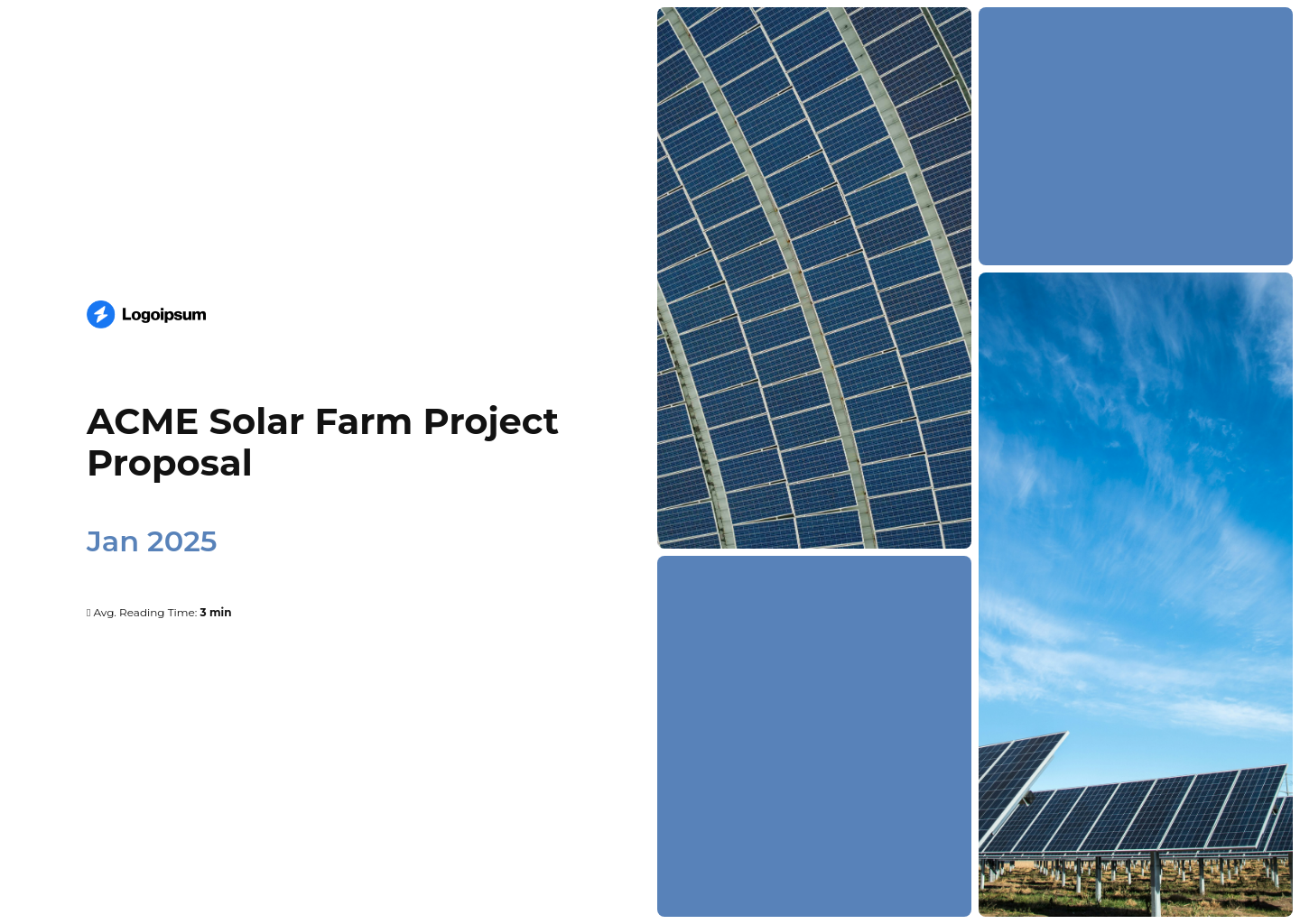
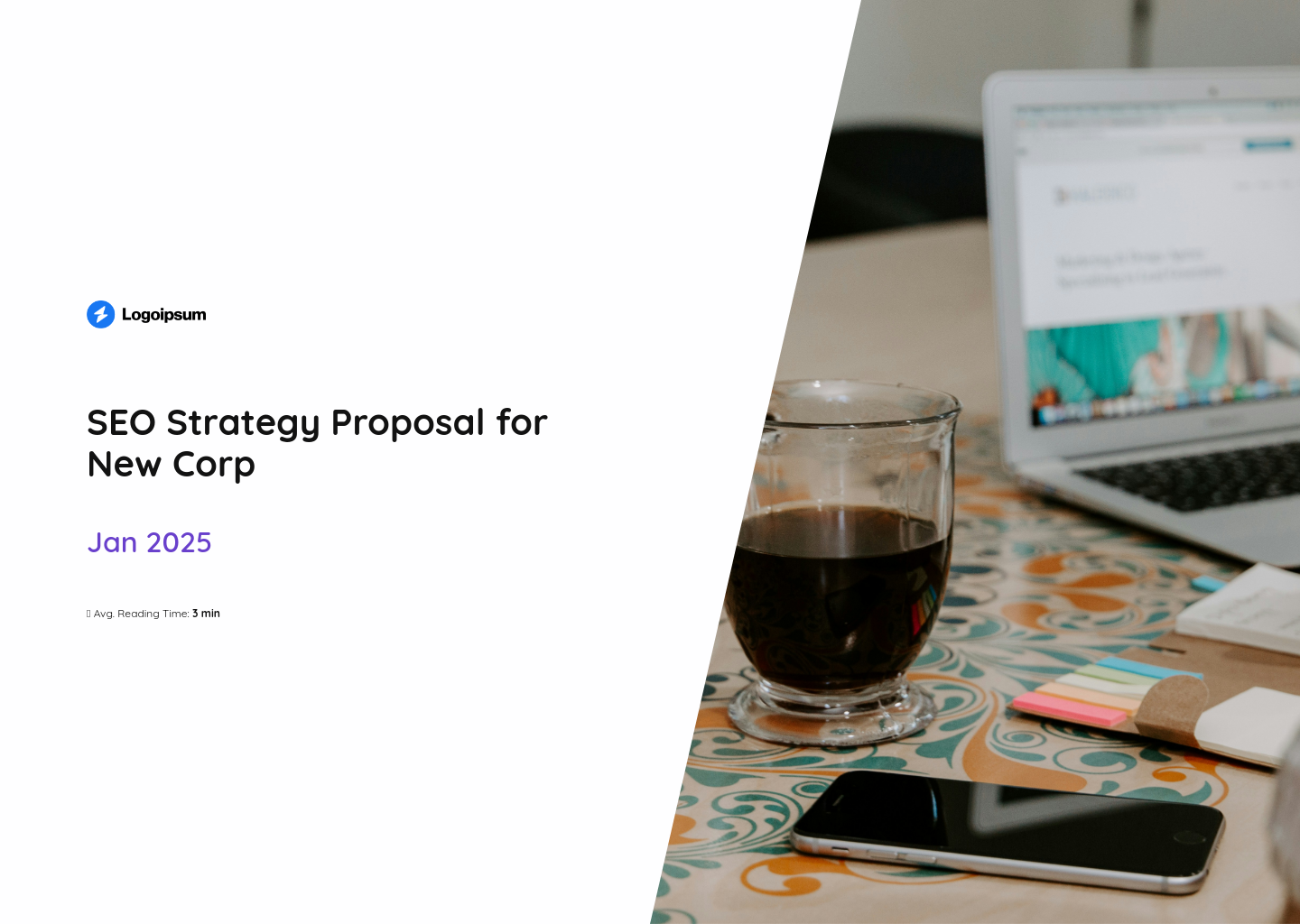
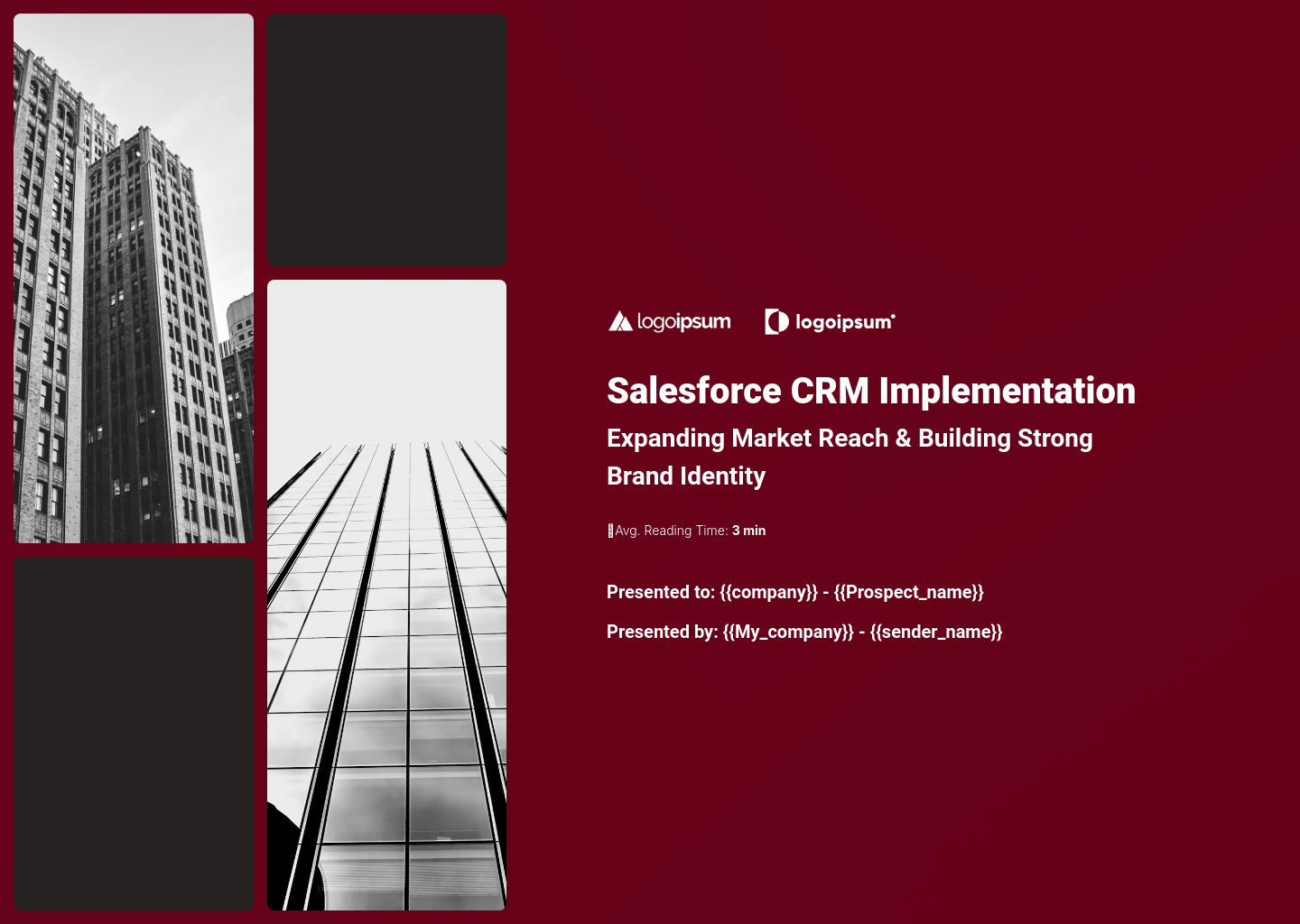
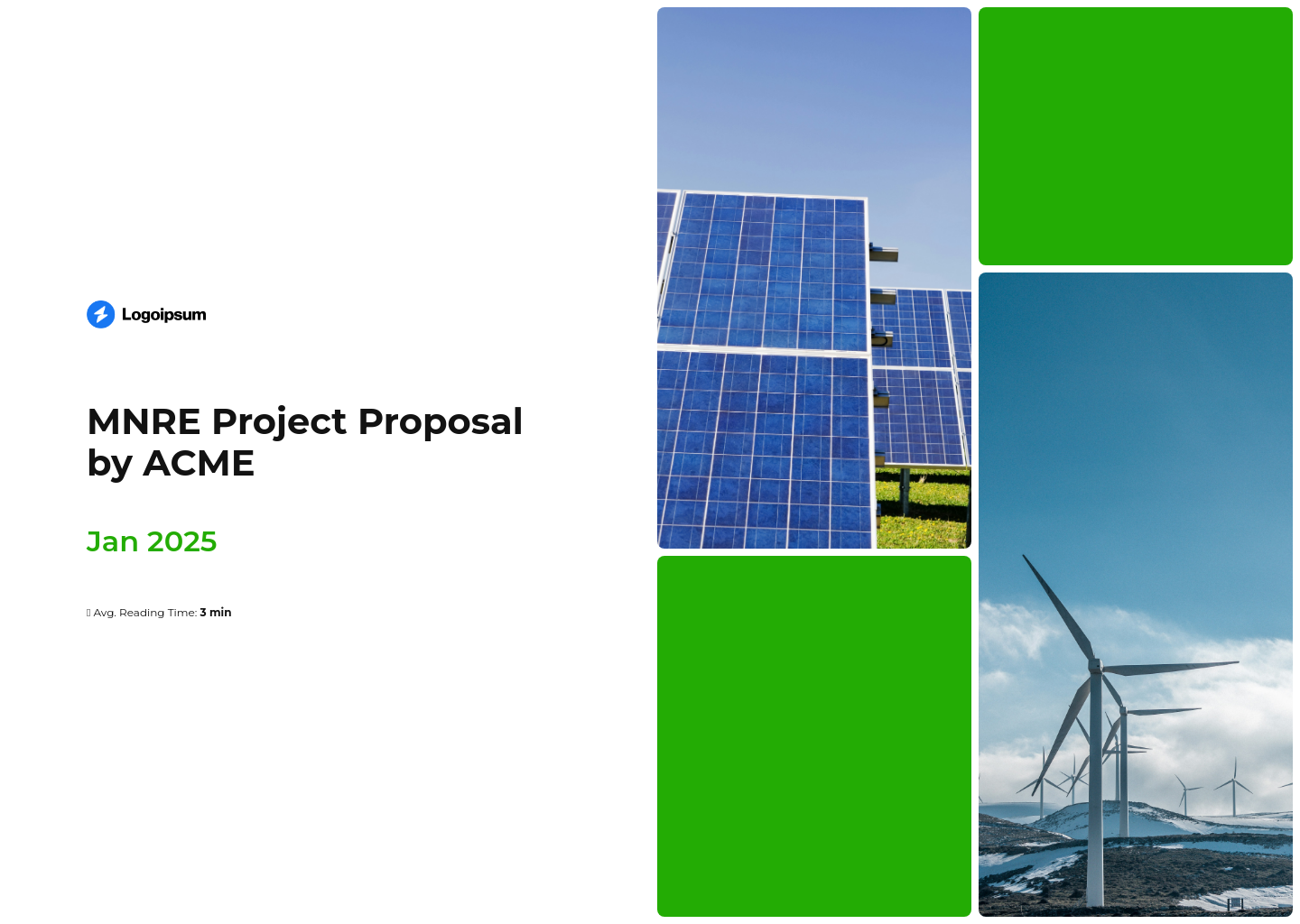






Writing an Internal Project Proposal That Gets Backing
Learn how to write an internal project proposal that wins the sponsorship of stakeholders in your organization and get customizable examples and templates.
Set as Preferred Source
Right now, your project proposal is just one in a pile on a decision-maker’s desk, and there’s not enough money to fund them all. If your proposal doesn’t stand out, your project might not happen. It’s that simple.
Other projects are competing for the same attention and resources, and if they make a stronger case, they’ll be the ones moving forward, not yours.
Feeling the heat? Let’s turn that into action.
I’ll show you how to write a winning project proposal. Let’s dive in!
What does a successful project proposal look like?
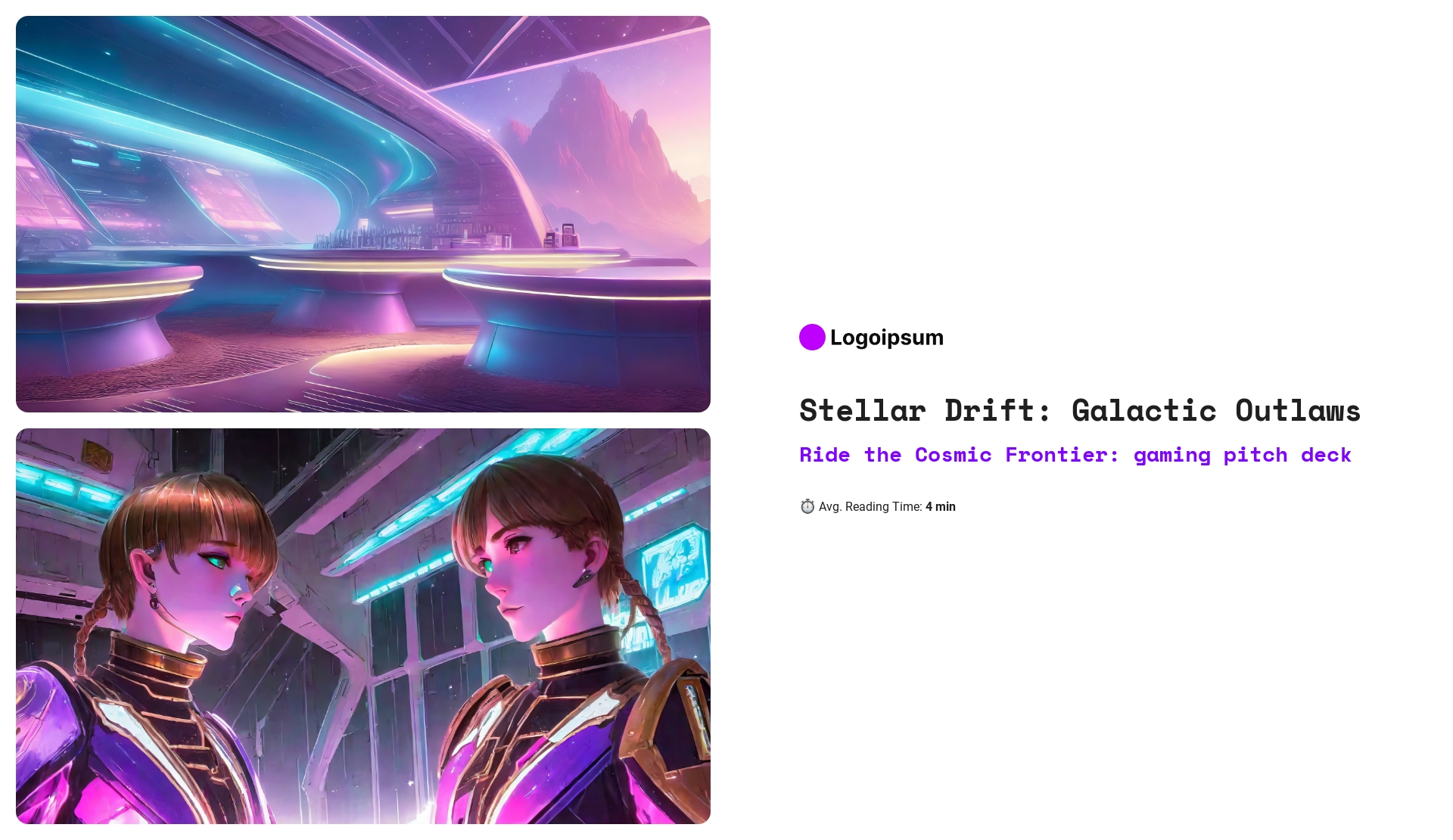
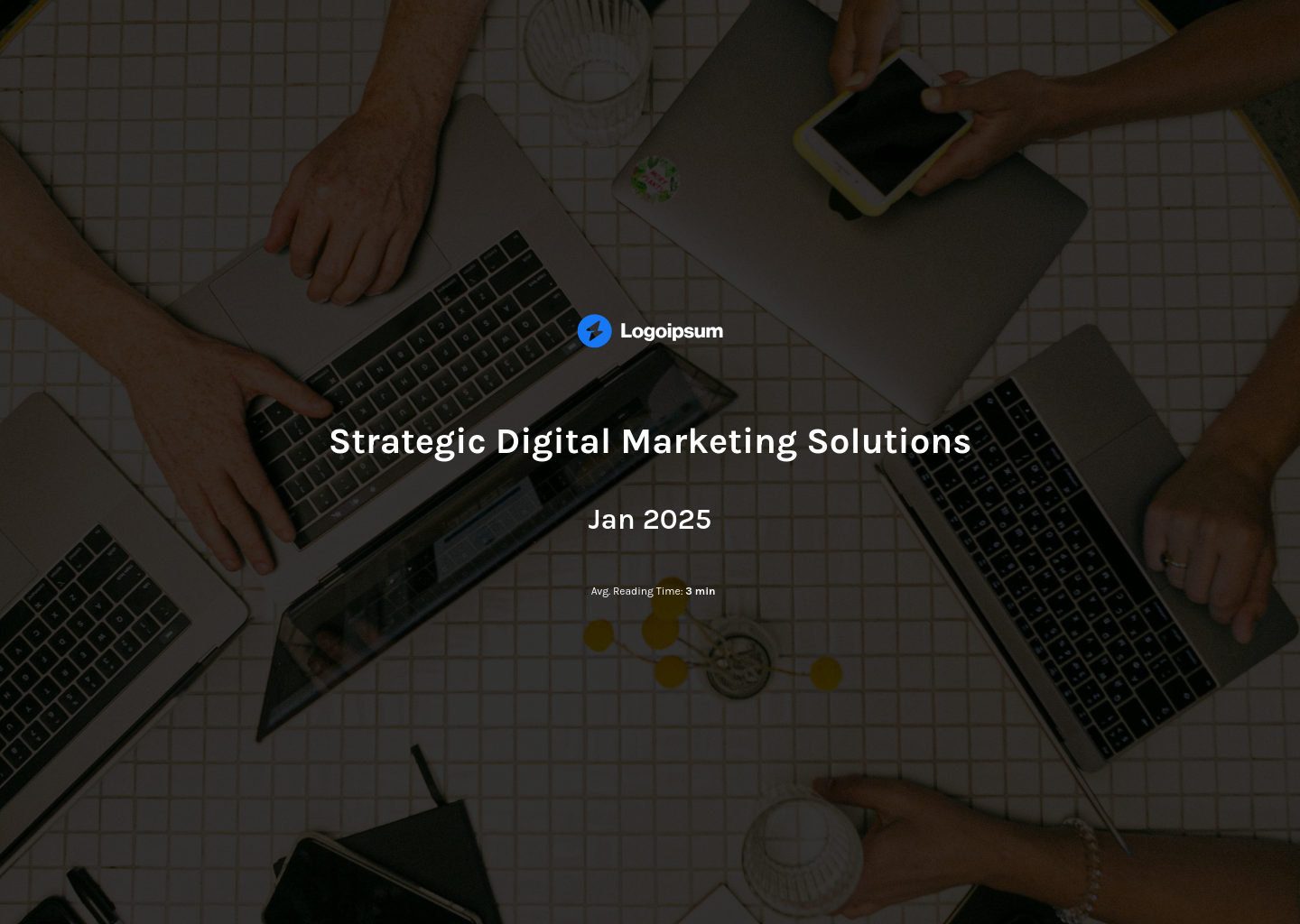
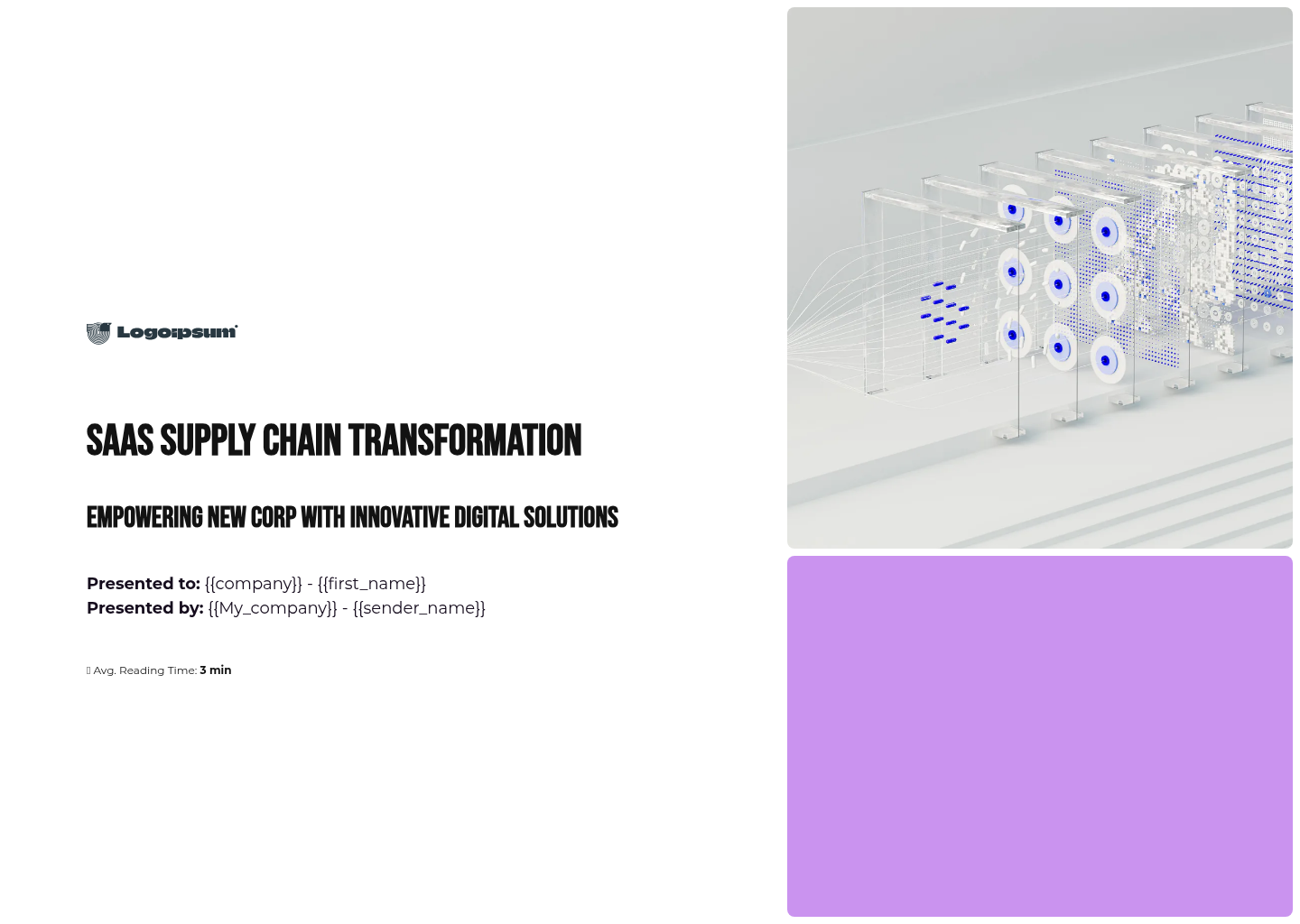
A successful project proposal takes the form of an interactive deck, blending sharp text with dynamic visuals, charts, and videos to weave your project’s narrative.
This format allows stakeholders to easily navigate through the proposal, focusing on parts most relevant to them, and interact with the content, such as clicking through to detailed appendices or external resources.
By making your proposal an engaging, interactive journey, you boost its chances of success.
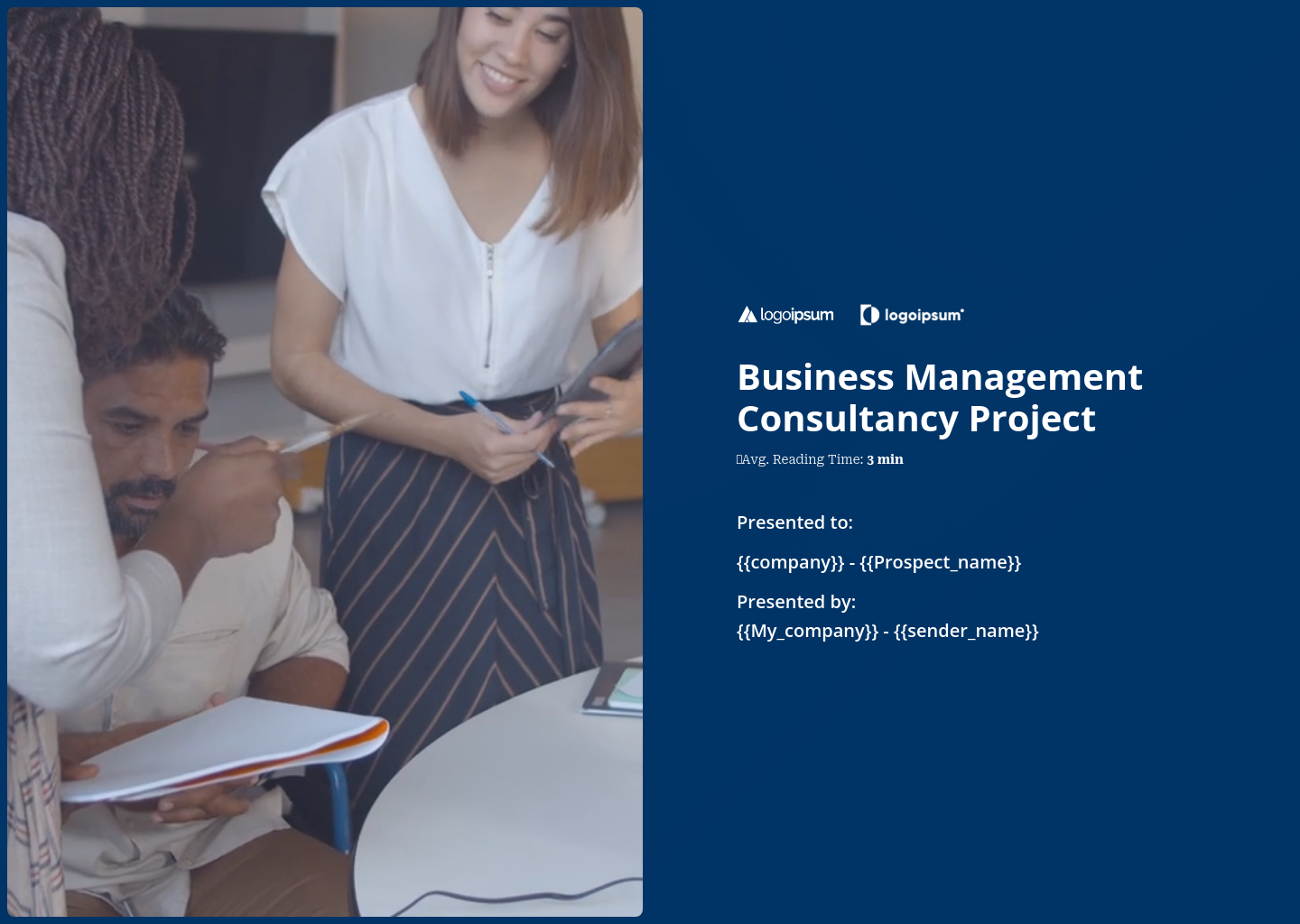
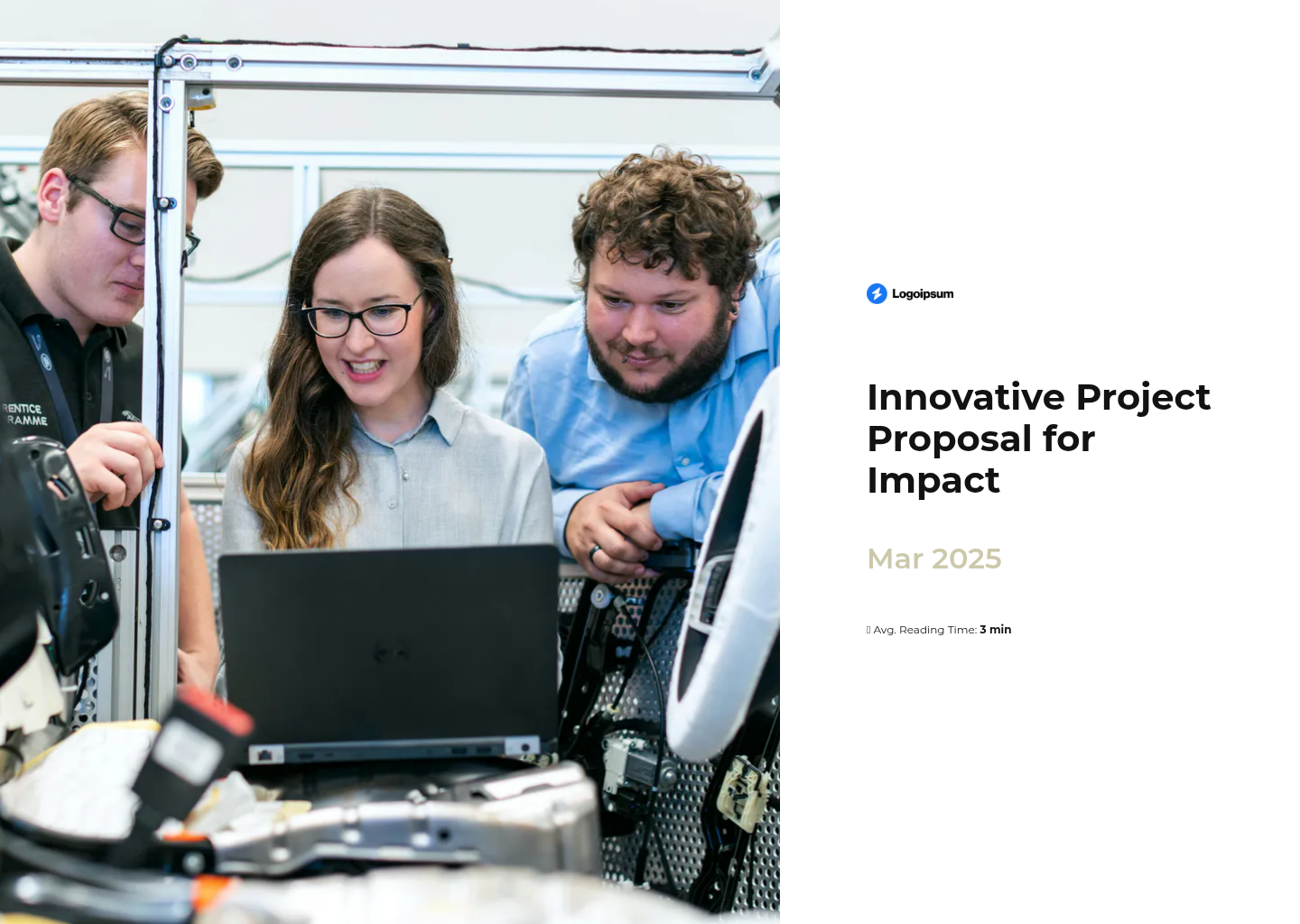
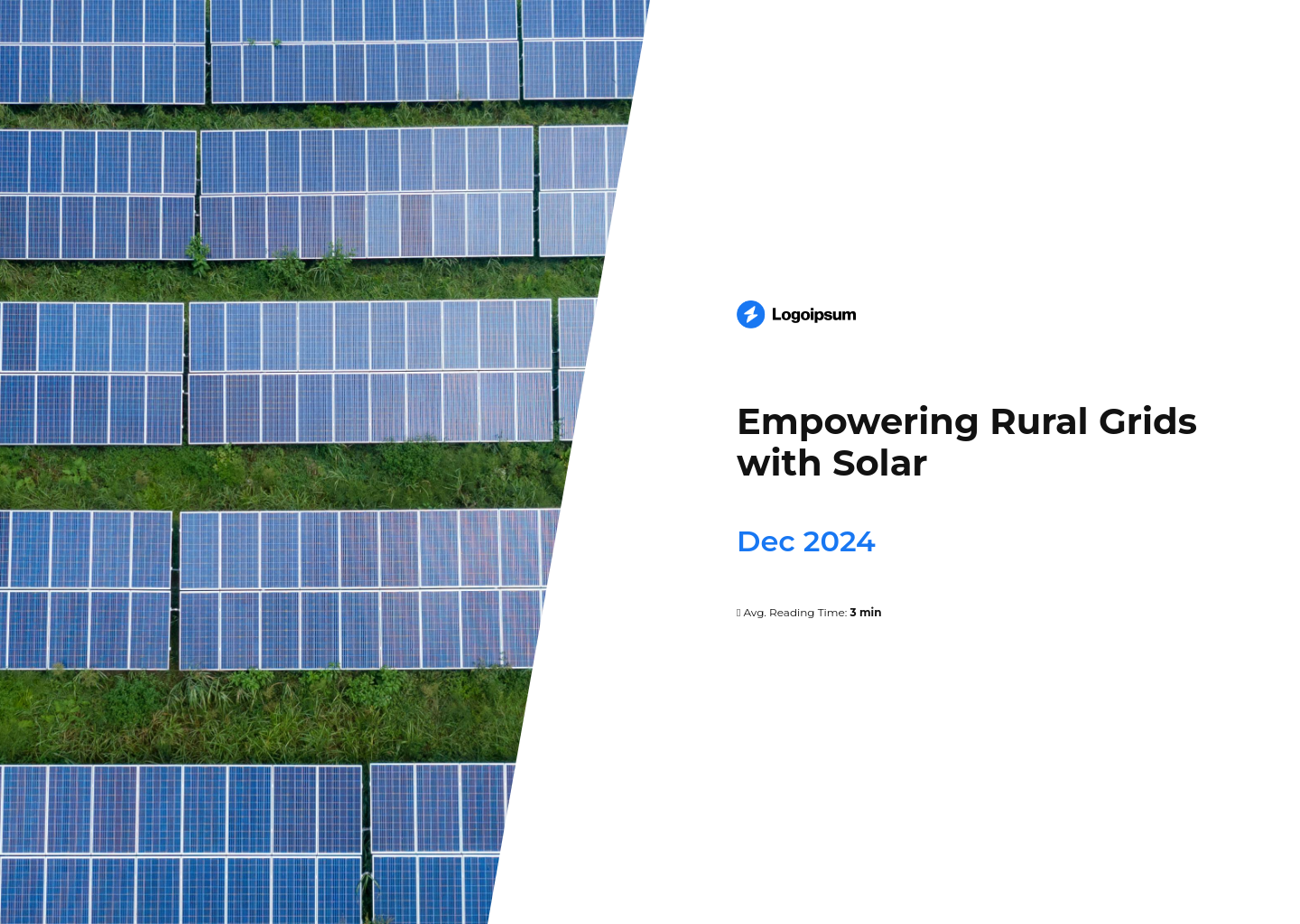
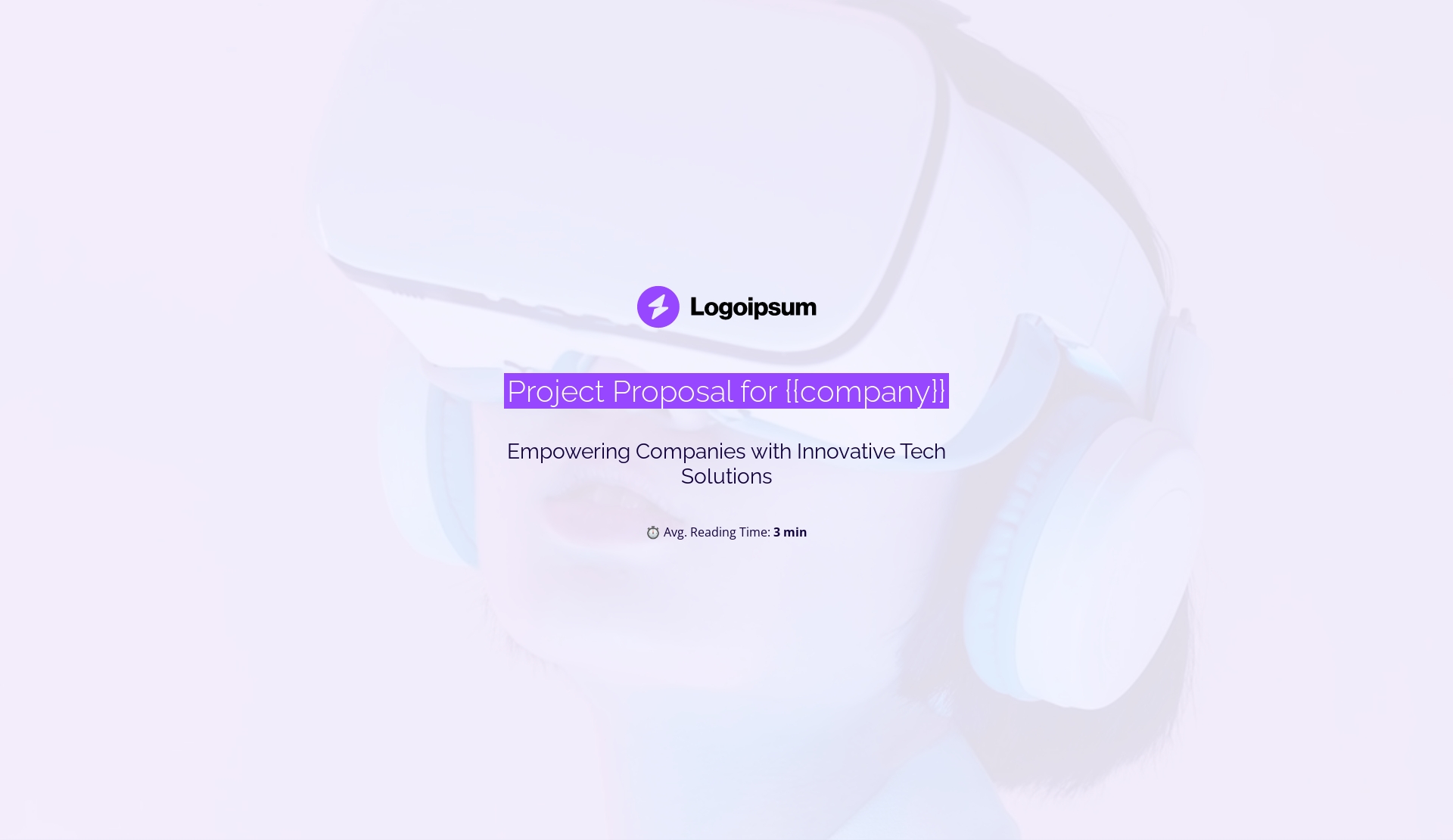
Here’s what a successful project proposal looks like:

Scroll to preview
What to include in a project proposal?
- Title page: Set the stage with the project’s title, the date, and the names of the proposal writer and project manager.
- Executive summary: Offer a concise overview of what the project entails, including its objectives and key results, the problem it aims to solve, and the proposed solution, serving as an engaging snapshot for stakeholders.
- Problem statement: Clearly articulate the issue or opportunity at the heart of your project, establishing the need for your proposed solution.
- Project objectives: Detail the specific, measurable, achievable, relevant, and time-bound (SMART) goals that the project aims to achieve.
- Project scope: Define what the project will and will not include, setting clear boundaries and expectations for project deliverables.
- Background information: Provide context and rationale for the project, including relevant historical data or research that supports the need for your proposal.
- Solution: Describe your proposed solution in detail, explaining how it addresses the problem identified and why it is the best option.
- Project plan and methodology: Explain the strategies, approaches, and methodologies that will be employed to accomplish the project’s objectives, showcasing your planning and execution strategy.
- Timeline: Outline the project’s major milestones and deadlines, presenting a clear roadmap of how and when the project will be completed.
- Budget: Detail all projected costs associated with the project, providing a transparent and accountable financial plan.
- Risk management plan: Identify potential risks and outline strategies for their mitigation or management, demonstrating proactive problem-solving and planning.
- Evaluation and monitoring plan: Establish criteria and methods for assessing the project’s progress and success, ensuring that the project remains on track and achieves its goals.
- Call to Action: Conclude the proposal by incorporating a direct call to action, urging stakeholders to move forward with the project.
How to write a proposal for a project?
A well-written proposal not only navigates your team and stakeholders through the project’s journey but also convinces them to embark on this adventure with you. Let’s dive into the art of proposal writing in several easy steps.
Here’s a great video on how to write a project proposal:

1) Start with the perfect introduction
The introduction is your first handshake with the reader, and like any first impression, it needs to be impactful.
- Engage immediately: Begin with a compelling statement or question that directly addresses the reader’s interests or the problem at hand. This draws the reader in and sets the tone for the proposal.
- Briefly outline the solution: Introduce your solution early but succinctly, providing a teaser of what’s to come. This helps to frame the reader’s expectations.
- Highlight the proposal’s value: Make it clear why the reader should care. Whether it’s a return on investment, a solution to a pressing problem, or an opportunity for innovation, ensure the value is front and center.
And here’s what a project proposal introduction looks like:
2) Write the executive summary
The executive summary is arguably one of the most critical sections of your proposal. It should provide a concise overview of what the project entails, including its objectives, the problem it aims to solve, the solution, and the expected outcomes.
- Prioritize clarity: Use clear, straightforward language to ensure your summary is accessible to all readers, regardless of their familiarity with the project’s subject matter.
- Emphasize key benefits: Focus on the benefits of your project, making a strong case for why it deserves support and resources. This is where you want to highlight the impact and the difference your project will make.
- Keep it concise: While it’s tempting to include every detail, remember that this is a summary. Aim for brevity while ensuring you’re providing a complete overview of the project’s most compelling aspects.
Here’s what an executive summary looks like:
3) Provide the project background
The project background is where you build your case. It’s about providing context and persuading the reader of the necessity of your project.
- Detail the problem: Go beyond stating the problem. Explore its nuances, its impact on stakeholders, and why it has persisted. This depth shows your understanding and frames your project as a necessary intervention.
- Leverage previous work: Use existing studies, projects, or data to build credibility. Showing awareness of the field positions your project as a thoughtful contribution rather than a redundant effort.
- Connect the dots: Make it clear how the background leads to your project. This narrative should feel like a natural progression, logically leading the reader to your proposed solution.
Here’s what a project background slide looks like:
4) Include a project write-up
A project write-up is a detailed description of your project, including its objectives, methodology, and expected outcomes. It’s the core of your proposal, where you elaborate on how you plan to achieve your project’s goals.
- Methodology: Detail your approach with clarity. Whether it’s research, development, or a community project, explain how you’ll achieve your objectives. This isn’t just about listing steps but about showing your strategic thinking.
- Timeline and milestones: Be specific about your project timeline. Include milestones and checkpoints. This shows planning and provides a roadmap for project management and execution.
- Expected outcomes and deliverables: Clearly articulate what success looks like. Define your metrics for success and how you’ll measure them. This sets expectations and also shows your commitment to accountability.
Here’s what a project write-up looks like:
5) List resources and create an action plan
Begin by listing the human, financial, and material resources required for your project. Then, transform your resource list into a dynamic guideline for project execution.
- Define milestones: Set clear, achievable milestones that mark significant progress points throughout the project.
- Assign tasks: Link each resource to specific tasks, ensuring every team member knows their responsibilities.
- Timeline: Establish a realistic timeline, aligning tasks and milestones with specific dates and durations.
- Risk management: Identify potential risks and outline strategies for mitigation, ensuring you have contingency plans in place.
- Monitoring and evaluation: Detail how progress will be tracked and measured against objectives, specifying tools or methods for assessment.
- Communication plan: Describe how information will be shared among stakeholders, including regular updates and feedback mechanisms.
This structured approach ensures that every resource is accounted for and strategically deployed, paving the way for smooth project execution and success.
Here’s what an action plan slide looks like:
6) Detail your financial plan
A detailed budget is a critical component of your project proposal. It should transparently outline all costs associated with the project, ensuring stakeholders understand where their investment is going.
- Itemize expenses: Break down costs into categories such as labor, materials, equipment, and overheads.
- Justify costs: Provide explanations for major expenses, demonstrating their necessity for the project’s success.
- Include contingencies: Factor in a contingency budget to cover unexpected costs, showing that you’ve planned for all eventualities.
- Show value for money: Connect your budget back to the project outcomes. It’s not just about the cost but about the return on investment. Make it clear how each dollar spent brings the project closer to its goals.
Here’s what a financial plan slide looks like:

7) Tailor your proposal to your audience
Understanding your audience is crucial in tailoring your proposal to their interests and concerns.
- Speak their language: Adjust your language and emphasis based on who you’re writing for.
- Address specific interests: Highlight aspects of your project that align with the priorities of your audience. Whether it’s innovation, community impact, or financial return, make those connections clear.
- Anticipate questions: Think from the perspective of your readers. What objections might they have? What clarifications might they need? Address these proactively in your proposal.
8) End with a clear next step
The conclusion is more than just the final paragraph of your project proposal; it’s a strategic element designed to convert interest into action.
- Embed your calendar: Include a link to your calendar for stakeholders to schedule a discussion or presentation. This reduces barriers to taking the next step.
- Include direct links: Provide direct links to detailed project plans, additional documentation, or a video pitch. This offers immediate access to deeper insights.
- Add an Accept button: If your proposal is digital, include an “Accept” button for stakeholders to endorse the proposal instantly. This can significantly speed up the approval process.
Remember, the end goal is to make it as easy as possible for your readers to say “yes” to your proposal.
Here’s a great example of a next step slide:

What is the best project proposal writing format?
The most effective project proposal writing format shifts from traditional, text-heavy documents to concise, interactive decks.
Unlike dense proposals that can bury important details under pages of text, interactive decks prioritize clarity and engagement.
They leverage expandable text sections and content segmented in tabs, allowing stakeholders to dive deeper into specifics without overwhelming them upfront.
This approach makes the proposal more navigable but also enhances the presentation of visuals and charts.
By structuring information in an interactive, easily digestible format, your proposal stands out, making a compelling case for your project by telling a story that captures and holds attention, ultimately increasing the likelihood of winning approval.
Project proposal presentation templates
Starting your project proposal with the right foundation is crucial for crafting a compelling narrative that captures and retains your audience’s attention.
Interactive project proposal templates provide a structured yet flexible framework that can be customized to fit your project’s unique story.
They’re built with all the best practices in mind and optimized for engagement, so you can be sure you’re putting your best foot forward.
Just grab one!
How to prepare a proposal for a project?
Before diving into writing your project proposal, setting the stage correctly is crucial for crafting a document that resonates with stakeholders.
- Research your audience: Understand the needs, preferences, and challenges of your stakeholders to tailor your message effectively.
- Identify the problem: Clearly define the issue or opportunity your project will address, ensuring it aligns with stakeholder priorities.
- Develop a solution concept: Sketch out a preliminary solution that your project will offer, considering feasibility and impact.
- Gather essential information: Collect data, studies, and any relevant information that will support your proposal and demonstrate thorough preparation.
- Outline your objectives: Define what your project aims to achieve, ensuring these goals are specific, measurable, and aligned with stakeholder interests.
- Estimate resources needed: Make a preliminary assessment of the budget, personnel, and other resources required to achieve your project goals.
- Consult with key stakeholders: Engage potential supporters or critics early to gain insights, feedback, and build internal support before formal submission.
- Draft a proposal outline: Create a blueprint of your proposal structure, including all the sections you plan to cover, to guide your writing process.
Taking these preparatory steps ensures that when you start writing your project proposal, you have a clear direction, a strong foundation of support, and all the necessary information at hand to make a persuasive presentation.
You can also use your outline as a starting point to keep your proposal focused and well-structured – check out our guide to writing a clear project proposal outline if you need help getting started.
Project proposal vs. Project charter
A project proposal is a persuasive document aimed at gaining approval and support for a project, outlining objectives, strategies, and benefits.
A project charter, however, is a formal agreement that defines the project’s scope, objectives, and stakeholders after approval.
Project proposal vs. Business case
A project proposal is crafted to secure initial approval for a project, highlighting its objectives, benefits, and feasibility.
Following approval, a business case is developed to detail the financial and strategic rationale, aiming to secure additional funding and support for the project.
How to present a project proposal?
Crafting and presenting a short proposal is an art that combines clarity, precision, and persuasion. It’s about making a compelling case in a concise format, ensuring your audience grasps the essence of your project and is motivated to act.
Drawing on insights from Jennifer Bridges, a seasoned PMP and executive coach in project management, here’s how to make your short proposal stand out:
Do’s:
- Start with the end in mind: Clearly envision your project’s goals and outcomes. This helps you structure your proposal to lead directly to your desired conclusion.
- Understand your audience: Know the preferences, decision-making styles, and priorities of those you’re presenting to. Tailoring your proposal to their expectations increases its impact.
- Set a vision: Paint a vivid picture of what success looks like. A compelling vision can inspire and motivate your audience to support your proposal.
- Define success criteria: Be clear about what success means for your project. This sets tangible goals and shows your commitment to achieving specific outcomes.
- Secure buy-in and sign-off: Aim to get agreement and approval during your presentation. Be prepared to answer questions and address concerns to facilitate immediate decision-making.
Don’ts:
- Lack of preparation: Going into a proposal presentation unprepared undermines your credibility and the viability of your project. Invest time in rehearsing and refining your pitch.
- Asking for solutions: Present yourself as the expert with a well-thought-out solution, rather than looking to your sponsor to solve the problem. This demonstrates your initiative and understanding of the project’s needs.
- Overwhelming with options: Providing too many choices can lead to decision paralysis. Focus on presenting the best solution to keep your proposal clear and decisive.
- Leaving without next steps: Don’t conclude your presentation without outlining clear next steps. This ensures everyone knows what’s expected moving forward and maintains momentum.
You can watch the full video here:


