






How to Write an RFP Response to Close Deals (+Templates)
Learn how to write a response to a request for proposal to close deals, with tips on what should be included in an RFP response and RFP response templates.
Set as Preferred Source
Responding to an RFP is a big deal. On average, it takes most teams between 6 to 20 days to write a single response, involving around 9 people in the process. That’s a big commitment, and there’s still no sure win at the end.
Plus, there’s a fine line to walk: rush your submission, and the organization might think you cut corners and just wing projects; drag your feet, and you risk losing out to faster competitors.
I wrote this blog post to teach you how to strike the perfect balance.
Let’s dive in!
What to include in an RFP response?
- Cover slide: Introduces your company and the proposal visually to catch attention.
- RFP response cover letter: A personalized introduction stating your interest and highlighting your suitability for the project.
- Executive summary: Briefly outlines your understanding of the client’s needs and your proposed solution.
- Solution: Details the approach and methods you will use to address the client’s requirements.
- Scope of work and deliverables: Lists the specific services or products you will deliver, including any phases or milestones.
- Implementation plan: Describes the steps, timeline, and resources required to complete the project.
- Team: Introduces the team members, their roles, and their expertise relevant to the project.
- Case studies: Demonstrates past successes with similar projects to build credibility.
- Pricing: Breaks down costs associated with the project in a clear and transparent manner.
- Next steps slide: Outlines the immediate actions to be taken if your proposal is accepted, setting the stage for project initiation.
What does an RFP response look like?
A successful RFP (Request for Proposal) takes the form of an interactive presentation, complete with clickable links, embedded videos, and collapsible sections.
This setup lets reviewers dig into the details at their own speed, exploring the aspects that matter most to them.
It’s designed to be user-friendly, making it easy for anyone reviewing it to quickly understand complex information.
This interactive and intuitive format clearly communicates the proposal and highlights the vendor’s ability to deliver a thorough and accessible project.
An example of an RFP response:

Scroll to preview
How do you write an RFP response?
Writing a good RFP response really means getting into the specifics for each one. You can’t just copy and paste your way through; it’s about striking the right balance between being technical and personable.
This way, you’re actually engaging your reader, not just running through a checklist.
Here’s how to write a persuasive RFP response in several steps.
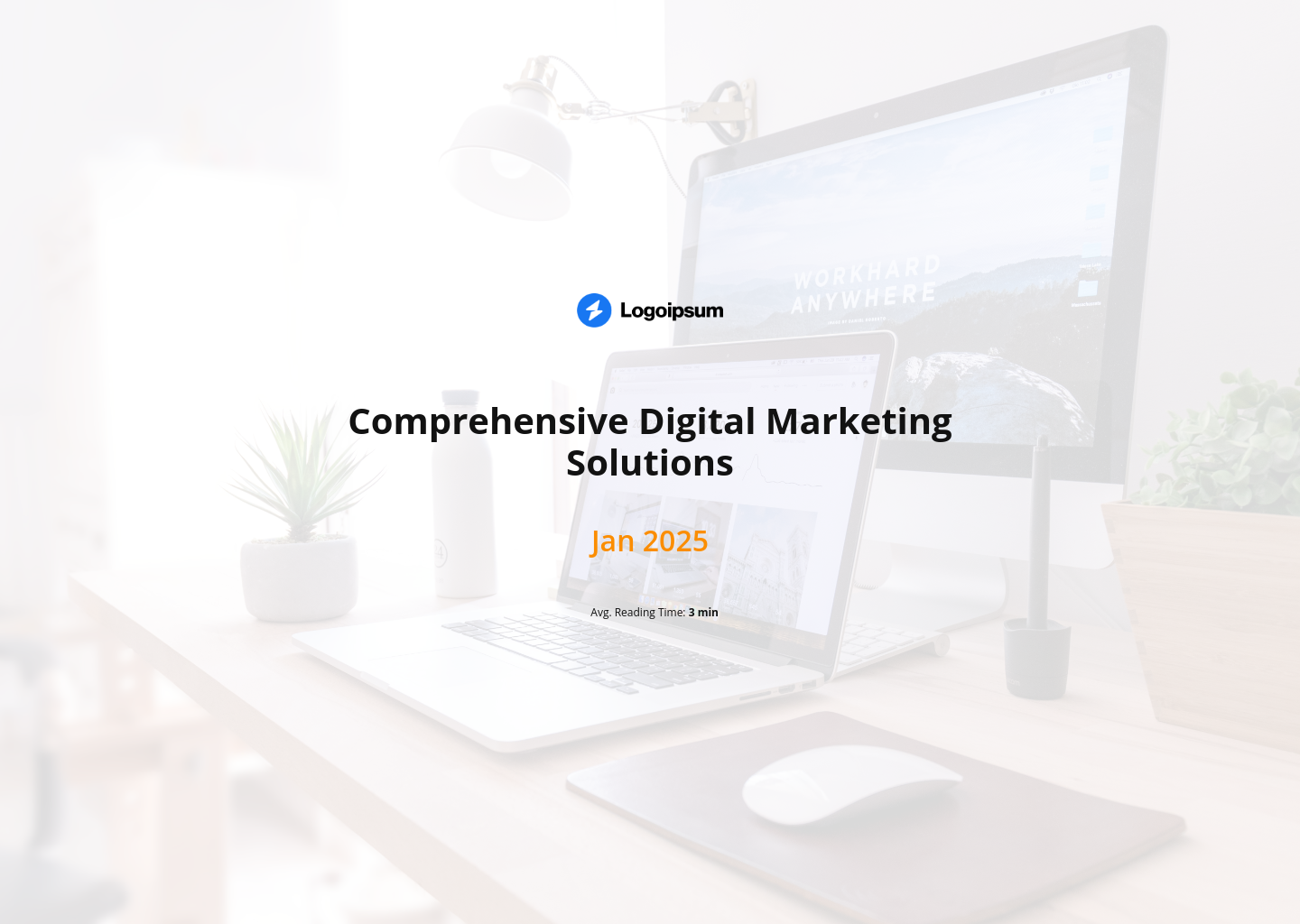
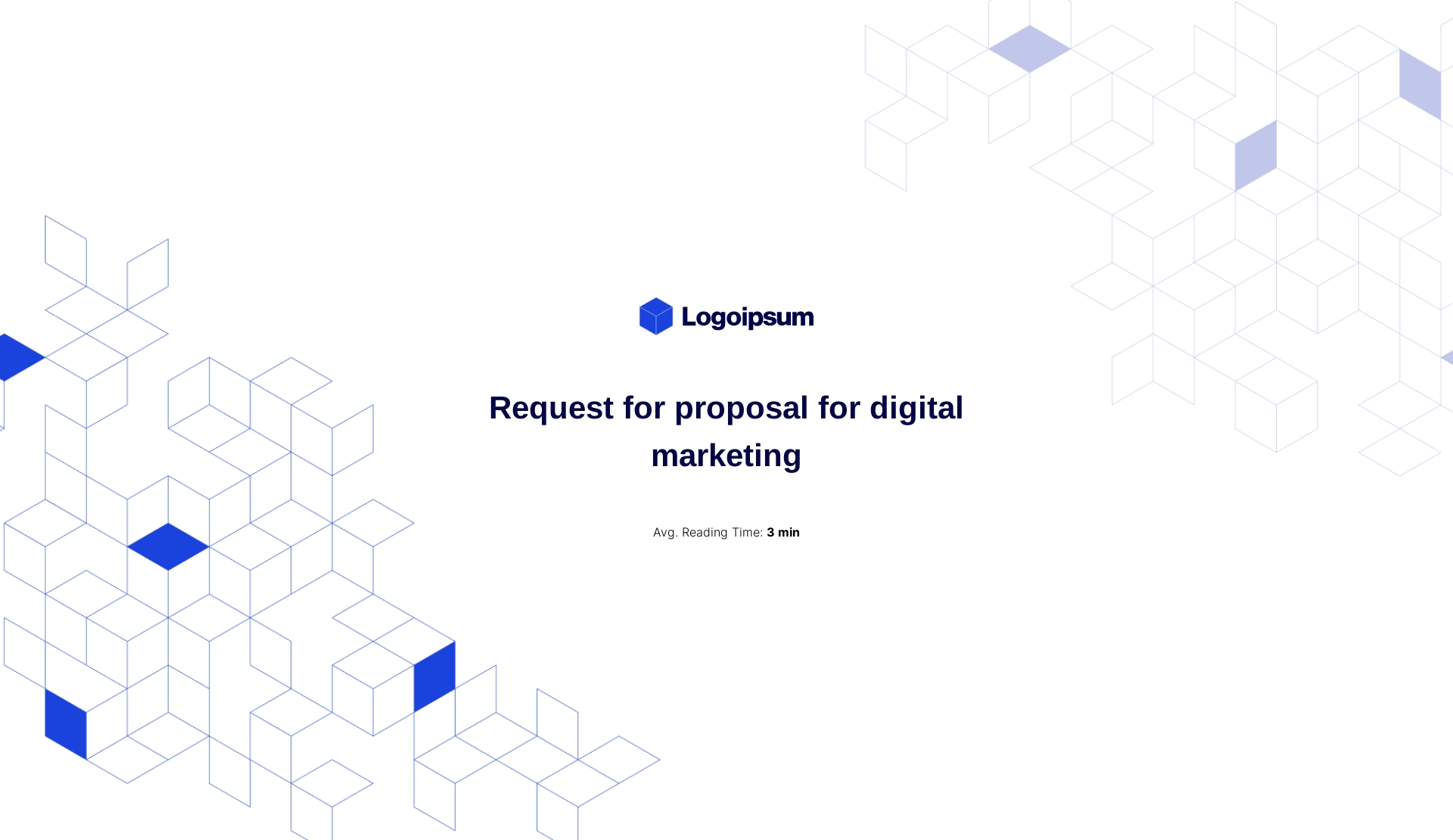
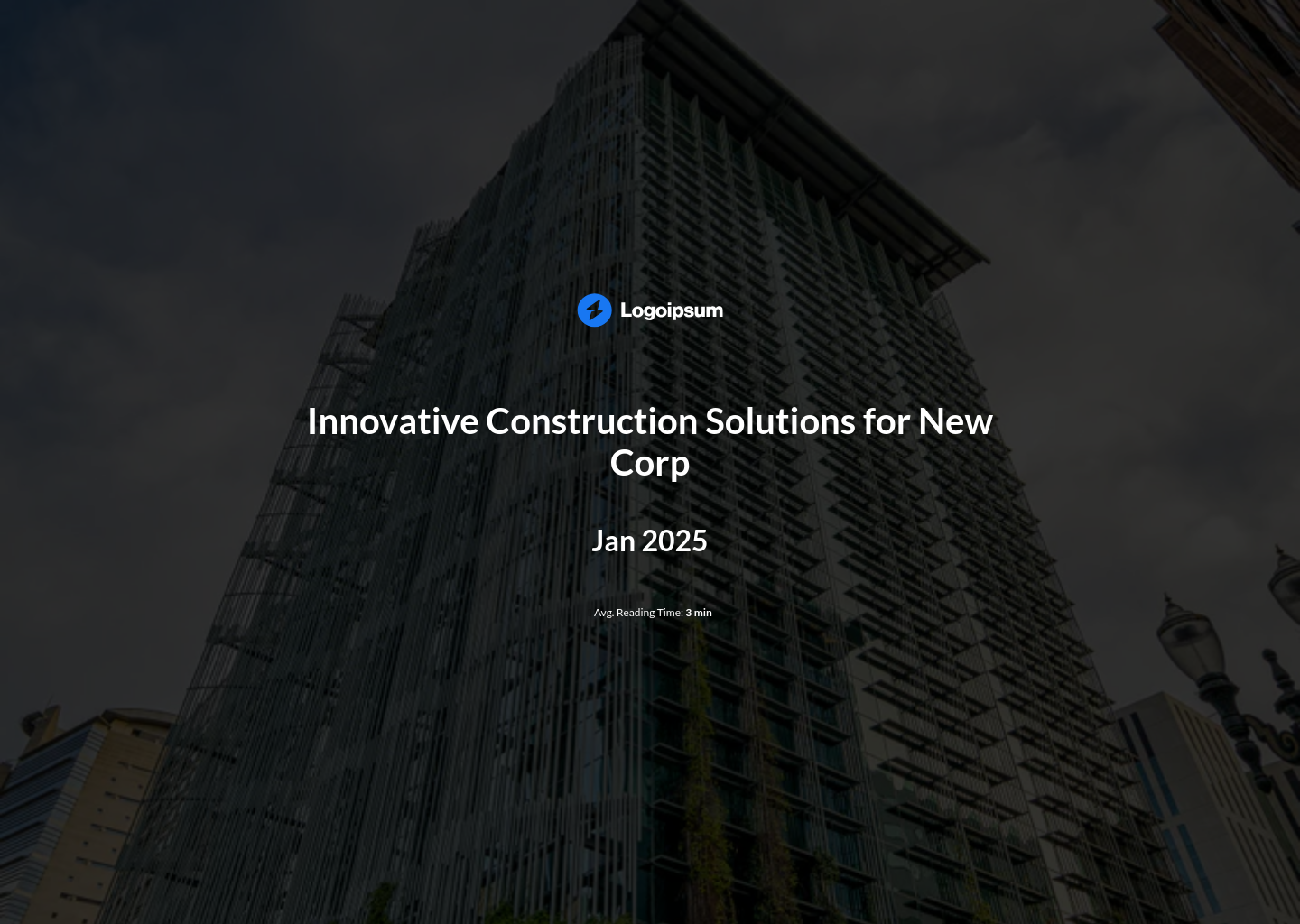
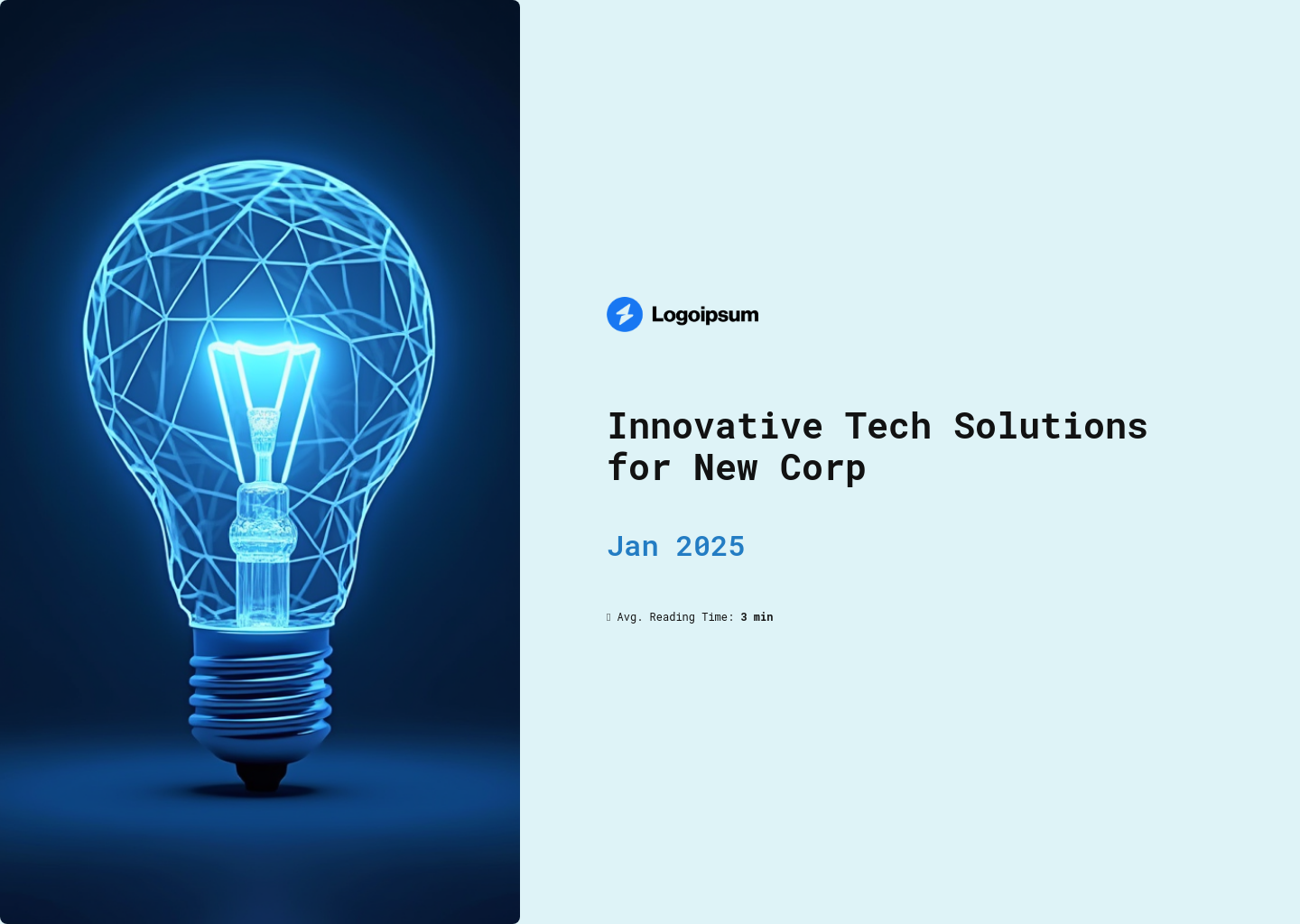
1) Cover slide
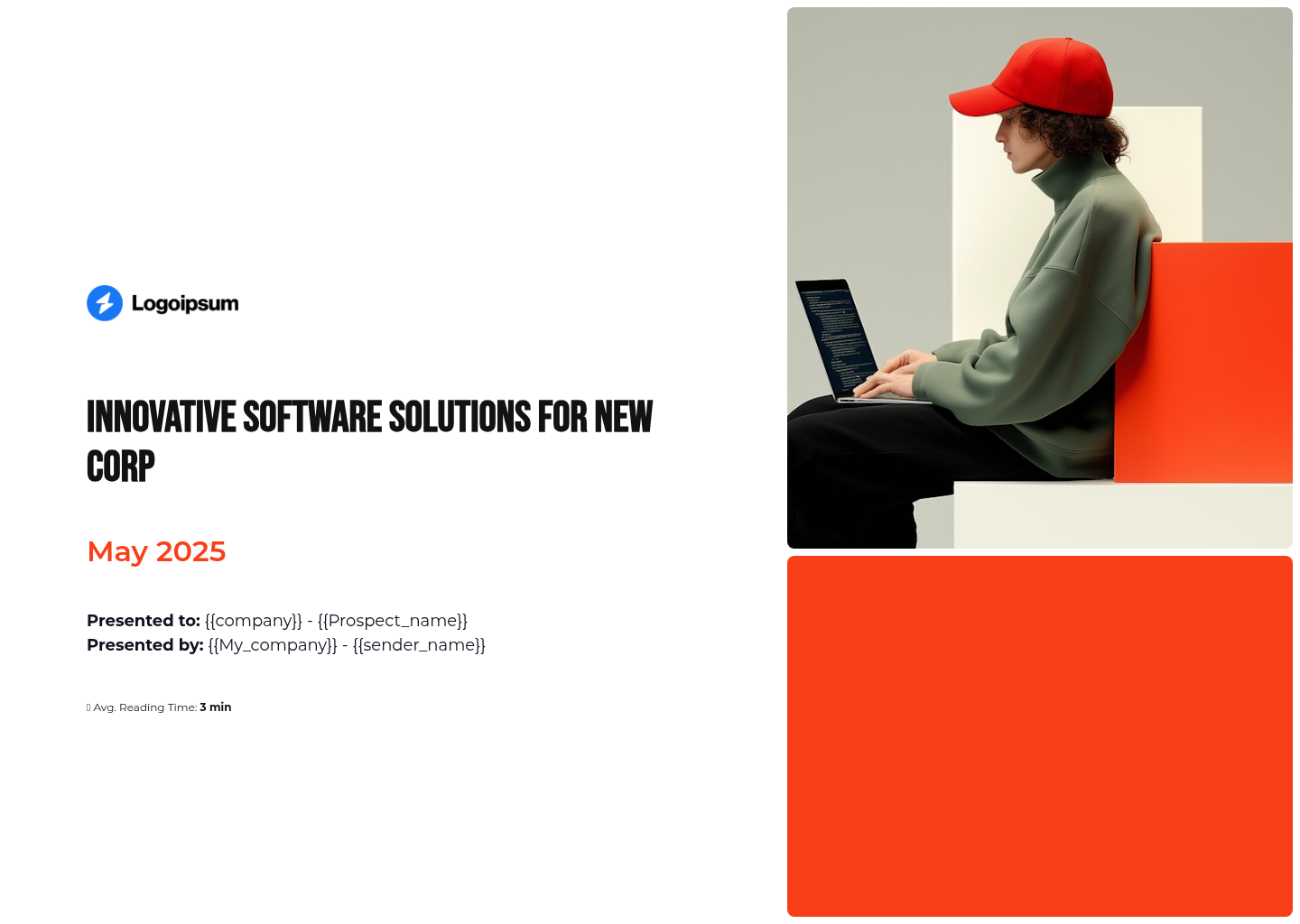
Start off your RFP with a cover slide that really grabs attention. Go for a clean, sleek design that showcases your company’s branding and main skills.
Make sure to include a straightforward tagline or value proposition that’s tailored to the RFP’s specific demands, ensuring it clicks with what the client is looking for.
Using visual elements wisely here sets the stage for everything that follows in your proposal.
An example of a cover slide:

2) RFP response cover letter
Think of your response cover letter as a cover letter for a job application—it’s your chance to make a great first impression.
In this space, quickly highlight the main points of your proposal. Keep your tone professional but engaging, showing your excitement for the project and the value you can add.
This will provide them with the necessary background on who you are before they learn about the services you plan to offer.
Paul Furiga, a business storytelling expert, recommends framing your RFP response as a compelling story to stand out.
He suggests various narratives such as the founder’s story, innovation breakthroughs, significant company growth, or a pivotal shift in company focus—often referred to as a “eureka moment.”
But, no matter the story type, it should convincingly answer why someone would choose to engage with your company—whether to buy, work, invest, or partner.
Furiga also suggests talking to people from various departments in your company, from the VP of sales to HR and operations, all the way to the CEO. Their collective perspectives can help create a rich, detailed story about your company.
An example of a cover letter slide:

3) Executive summary
Your executive summary should be closely aligned with the RFP. It needs to clearly show your understanding of the client’s needs and how well your firm can meet them.
According to Paul Furiga, you should go beyond expectations—showcase your deep industry experience and specific achievements rather than generic promises like punctuality or staying on budget (unless your industry has a bad reputation for that).
Instead, bring up any past clients you’ve worked with that match the current client’s profile.
Show that you’ve been in the industry for years and based on your experience, here’s what works best and here’s how you were able to get the desired results for them.
Build a narrative that not only presents your qualifications but also makes you likable and trustworthy, creating a foundation for a lasting relationship.
Tell a story that no one else can, making your proposal feel like the clear choice.
Also, people often need to hear something 5 to 7 times before it really sinks in. Therefore, weave your unique value proposition throughout the document.
Executive summary slide example:

4) Solution
In your proposed solution, explain how your approach will address each of their requirements, using the latest technology or proven strategies where suitable.
You know your business inside and out, so certain things may seem obvious to you. However, when responding to an RFP, you need to step back and explain things in simple terms.
While this might seem too basic for you, remember that the people reviewing your proposal aren’t familiar with your business.
It’s also often not their only job and they have dozens of RFPs to review, so don’t leave any doubts about how your approach differs from your competitors.
Solution slide example:
5) Scope of Work and deliverables
The Scope of Work (SOW) section should clearly outline what will be delivered when the project is completed, ensuring it matches the client’s strategic goals.
Divide the project into manageable sections, describing each phase, what will be delivered, and the timelines for each.
Great example of a Scope of Work slide:
6) Implementation plan
Create a detailed plan that covers every step of the project from start to finish. Include a timeline that matches the project’s milestones and deliverables.
Outline the resources assigned to each phase, mentioning any special tools or systems you’ll use. Talk about your strategies for managing risks to show you’re prepared and proactive about potential challenges.
An example of an implementation plan slide:
7) Team
In the Team section, do more than just introduce your members. Emphasize each person’s expertise and specific roles, connecting their skills directly to the project tasks and objectives.
Include short bios that highlight their relevant experience and past successes in similar projects.
This section should give the client confidence that your team has the expertise and teamwork needed to achieve outstanding results.
Team slide example:
8) Case studies
Select case studies that mirror the size and complexity of the project you’re pitching. Describe the challenges encountered, the solutions you applied, and the results you achieved, using data and specific measurements to illustrate success.
This section should demonstrate your ability to deliver on promises and boost your credibility with concrete evidence.
Testimonials slide example:
9) Pricing
Provide a clear and detailed explanation of the pricing structure, breaking down the costs for each part of the project. This should include direct costs, overheads, and any contingencies.
Be open about what each fee includes and explain why you chose this pricing model. Being transparent helps build trust and can play a crucial role in the decision-making process.
Pricing slide example:
10) Next steps slide
Finish with a proactive “Next Steps” slide that lists the actions to be taken as soon as the proposal is accepted. Include key contact information, detail the process for the kickoff meeting, and describe any initial tasks that will start right away.
This shows your readiness and enthusiasm to begin the project, presenting a clear plan to transition from proposal to action.
Next steps slide example:

The 4×4 framework to create a successful RFP response
Lisa Rehurek, the founder and CEO of The RFP Success Company, points out 4 crucial pillars for crafting a successful RFP response.
1) Strategy
A successful RFP strategy has 4 main components:
First of all, your business development strategy should clearly lay out where your sales will come from and how you’ll achieve your targets.
It’s crucial to really understand your target audience, including the industries you want to work with and what drives them. This means knowing how they feel about using your type of product or service and how they value partnerships.
Lisa puts it simply,
Secondly, your bid strategy should also be customized for each RFP, taking into account the unique challenges and needs of the client, as well as the competitive landscape.
Knowing your competitive edge and how it changes from one proposal to the next is key.
A strategy for actively building relationships is crucial—don’t just wait for RFPs to come to you.
And finally, you need to have an intelligence strategy to understand who your targets and competitors are, and especially for government contracts, know who the incumbent is.
2) Process
In the world of RFPs, particularly for federal bids, it’s critical to have robust processes. But it’s equally important to customize these to your specific needs to make sure they’re effective.
Here are 4 main processes to look at:
- Receiving RFPs: Figure out how you usually find out about RFPs, whether it’s through paid services or other methods.
- Assessment process: Deciding whether to respond to an RFP, also known as your go/no-go decision-making process.
- Response management: Managing the writing, scheduling, and review processes.
- Debrief process: Conducting debriefs immediately after submission to capture fresh insights, and again after receiving the results to learn from the outcome, win or lose.
3) Content
The contents of your RFP response must address 4 key questions:
- Are you directly addressing the question at hand?
- Are you framing your content around your solution?
- Are you mindful of the evaluation criteria when writing, focusing your efforts on areas that score the highest?
- Is your content absorbable, ensuring that it’s not only understood but fully comprehended by the evaluators?
4) People
The people aspect is about ensuring your team is well-prepared and motivated. There are 4 elements to consider:
- Team dynamics: Even small companies need to understand team roles and ensure everyone is positioned according to their expertise.
- Motivation: Writing RFP responses can be very complex and tiring. It’s important to know what keeps your team motivated to prevent burnout and keep them engaged.
- Outsourcing: For small or mid-sized companies, consider outsourcing to handle the number of proposals efficiently without the need for a full-time team.
- Engagement and recognition: Make sure to acknowledge and celebrate your team’s hard work and successes, even if you don’t win the deal. This is crucial for keeping morale high, especially as remote work becomes more common.
FAQs
If you have more questions about RFPs, here’s everything you need to know:
An RFP (Request for Proposal) often starts when a company needs skills or resources it doesn’t have on hand. It’s common for projects that need new ideas, better prices, or have to follow certain rules, prompting the company to look for outside proposals.
After a company sends out an RFP, vendors have a deadline to submit their proposals. These are checked to see if they meet the criteria and if they’re workable. The top candidates get a chance to present their ideas, then comes the negotiation phase, and finally, a vendor is chosen and a contract is drawn up.
An RFP response usually ranges from 10 to 50 pages. Considering an RFP typically includes around 77 questions, the response should cover all points fully but in a clear and straightforward manner, making it easy for reviewers to understand.
Where to find effective RFP response templates?
Creating an RFP response is one of the most time-consuming tasks you’ll face. It ties up significant resources—both people and time—just to respond to a single proposal.
And even after all that effort, there’s still no guarantee it’ll pay off, as most responses don’t succeed.
Interactive RFP response templates provide a proven structure that’s been effective for other companies, allowing you to customize each section with just a few clicks. This saves time and lets you focus on other important tasks or tackle more RFPs.
Just grab one.

