

Winning Interior Design Proposal Examples, Templates & Tips
Discover top interior design proposal examples & templates with expert tips on how to write a winning interior design proposal to impress clients.
Set as Preferred Source
Picture this: You’ve poured your heart into a design concept, but when it’s time to pitch, your proposal falls flat. The client nods, smiles, but ultimately, it’s a no-go. Frustrating, right?
Here’s the kicker: many talented designers struggle to translate their ideas into proposals that win clients over.
The challenge isn’t just in crafting a visually stunning design; it’s in effectively communicating your vision and value in a way that resonates with clients.
But don’t worry, this guide is packed with actionable examples, easy-to-use templates, and straightforward tips that cut through the noise.
I’m here to help you craft proposals that do more than just showcase your talent—they convince clients you’re the right designer for the job.
Ready to turn those nods into enthusiastic yeses? Let’s get started.
What should an interior design proposal include?
Your interior design proposal is your chance to make a lasting impression, blending creativity with precision to showcase your vision. Here’s what you need to include to ensure your proposal is as compelling as your design.
10 essential slides of an interior design proposal:
- Introduction slide: Set the stage with a brief overview of your design firm, your unique value proposition, and what sets you apart from the competition.
- Client needs and objectives: Demonstrate your understanding of the client’s desires and goals for the project. Showing you’ve listened is key to building trust.
- Design concept and vision: Present your creative concept with visuals and narratives that paint a vivid picture of the potential transformation.
- Mood boards and inspirations: Include mood boards to convey the aesthetic and emotional tone of your design, illustrating your vision’s look and feel.
- Space plans and renderings: Offer detailed floor plans and 3D renderings to give clients a clear understanding of spatial arrangements and design elements.
- Material and finish selections: Detail the materials and finishes you propose, explaining why they’re the best fit for the project in terms of aesthetics, durability, and budget.
- Itemized budget: Provide a transparent, itemized budget that breaks down costs for materials, labor, and other expenses, ensuring no surprises down the line.
- Timeline and project phases: Outline the project timeline, including key milestones and phases, to set realistic expectations for project completion.
- Terms and conditions: Clarify the legalities, payment terms, and conditions to protect both parties and ensure a smooth project flow.
- Next steps slide: Conclude with a clear call to action, outlining the immediate next steps the client should take to move forward with the project.
What is a request for proposal (RFP) in interior design?
A request for proposal (RFP) in interior design is a document issued by a client seeking detailed bids from designers.
It outlines project specifics, expectations, and criteria for selection, guiding designers on how to tailor their proposals to meet the client’s needs.
What is the best interior design proposal format?
Let’s face it, the old way of doing interior design proposals—think long, text-heavy documents—isn’t cutting it anymore.
We’re in a visual age where grabbing and keeping someone’s attention is gold, especially when you’re trying to showcase your vision for their space.
So, what’s the best way to present your interior design ideas? Interactive presentations are leading the pack.
They turn your proposal into a captivating journey, complete with videos, clickable links, and stunning visuals that pull your clients right into the story you’re telling.
The most popular interior design proposal formats:
Format | Pros | Cons |
|---|---|---|
PDFs |
|
|
PowerPoint (PPT) |
|
|
Word documents |
|
|
Storydoc |
|
|
Interior design proposal examples that win over clients
In a sea of competition, your interior design proposal needs to stand out, speak directly to your client’s needs, and paint a vivid picture of the potential transformation.
The right proposal can be the difference between a polite “We’ll be in touch” and an enthusiastic “When can we start?”
Let’s explore some interior design examples that have aced this delicate balance and what makes each of them so effective, so that you can apply the same principles to your deck.
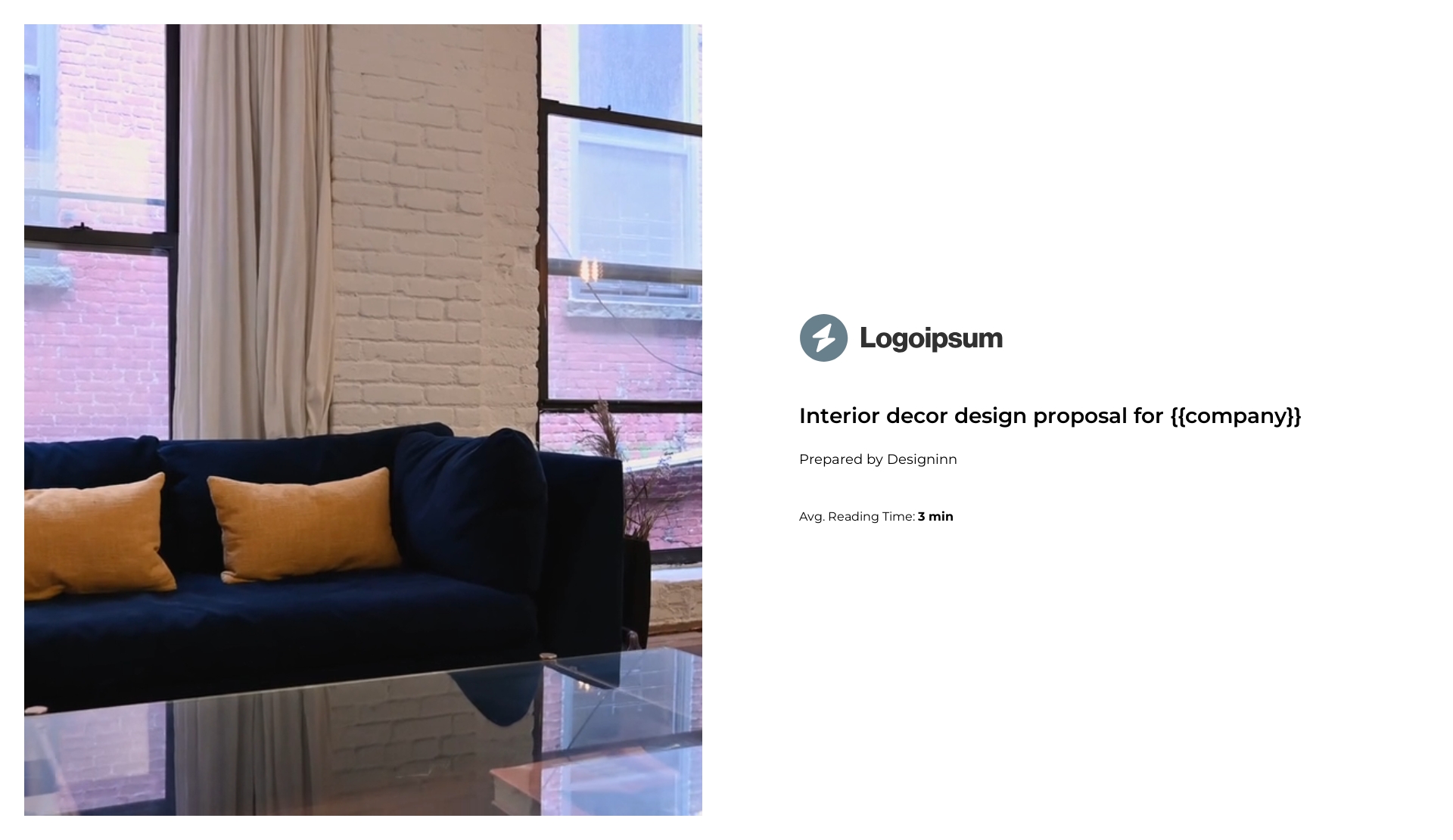
Interior decor design proposal
This interior decor design proposal is a comprehensive presentation aimed at transforming office spaces into harmonious and aesthetically pleasing environments.
It outlines the project’s scope, including bespoke design solutions, space planning, and end-to-end project management, supported by a portfolio of work, case studies, and testimonials to showcase their expertise.

Scroll to preview
What makes this interior design proposal great:
- Video on the cover slide: The video on the cover slide immediately engages viewers, offering a dynamic preview of the company’s capabilities and setting the tone for the proposal.
- Dynamic variables for personalization: The proposal uses dynamic variables (e.g., {{company}}) to tailor the presentation to each potential client, making it feel more personal and directly relevant to their specific needs.
- Table of contents: A well-organized table of contents featuring clickable links allows clients to easily navigate through the proposal, ensuring they can quickly find the information most relevant to them.
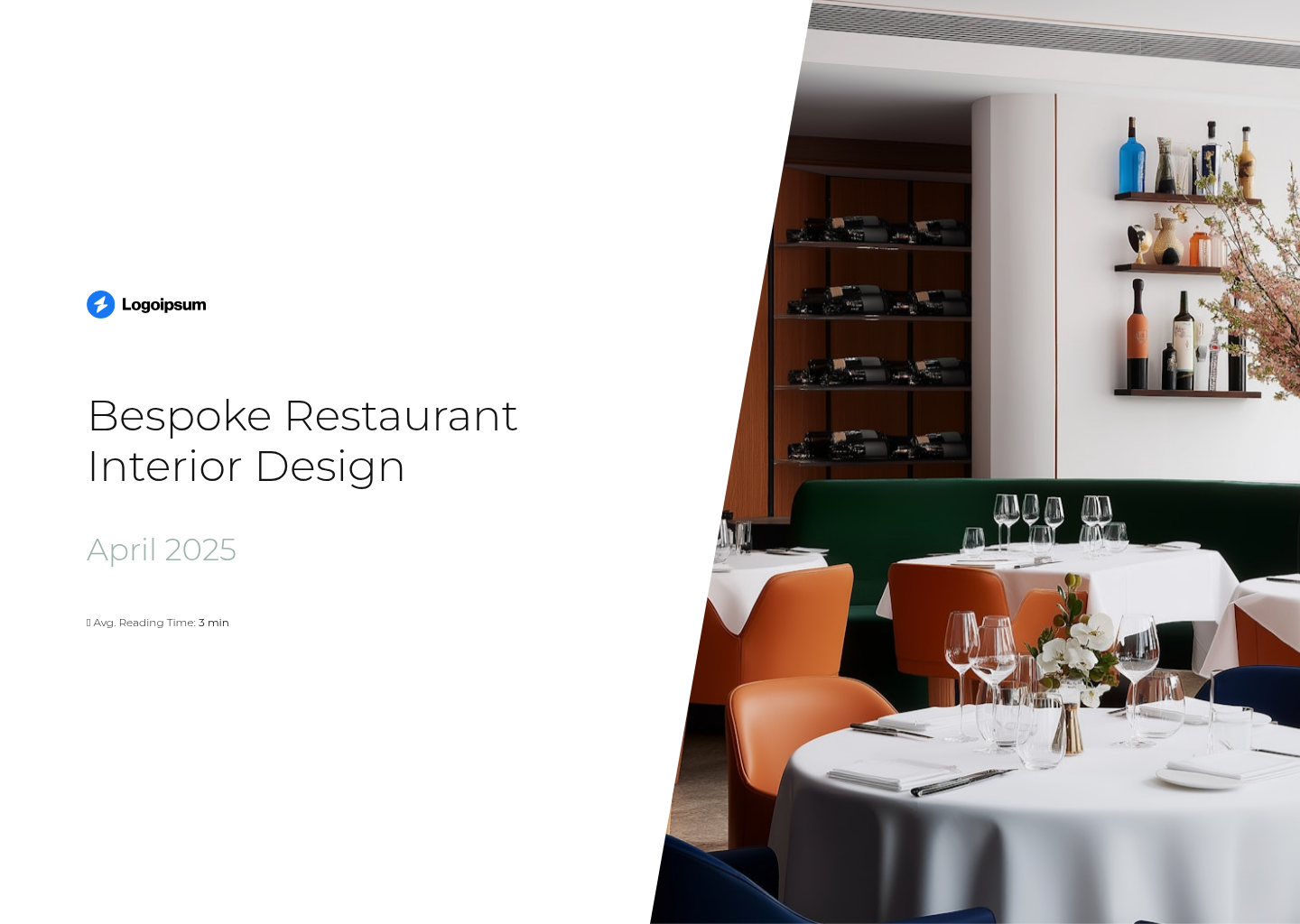
Restaurant interior design proposal
This proposal outlines a restaurant interior design project focused on creating a modern dining space that reflects the client’s unique culinary identity and elevates the overall guest experience.
It presents a clear, end-to-end approach – from concept to completion – emphasizing custom design, smart space planning, and a seamless blend of style and functionality.

Scroll to preview
What makes this interior design proposal great:
- Content segmented in tabs: The proposal smartly organizes case studies into tabs, making it easy for clients to navigate and digest the content relevant to them.
- The option to embed links or videos: It offers the capability to embed external links or play videos within the deck, providing a dynamic and interactive presentation that can effectively showcase previous projects or design concepts.
- Clear cost estimate: A transparent and detailed cost estimate is provided, breaking down the expenses involved in the project. This clarity helps in setting realistic budget expectations and fosters trust between the designer and the client.
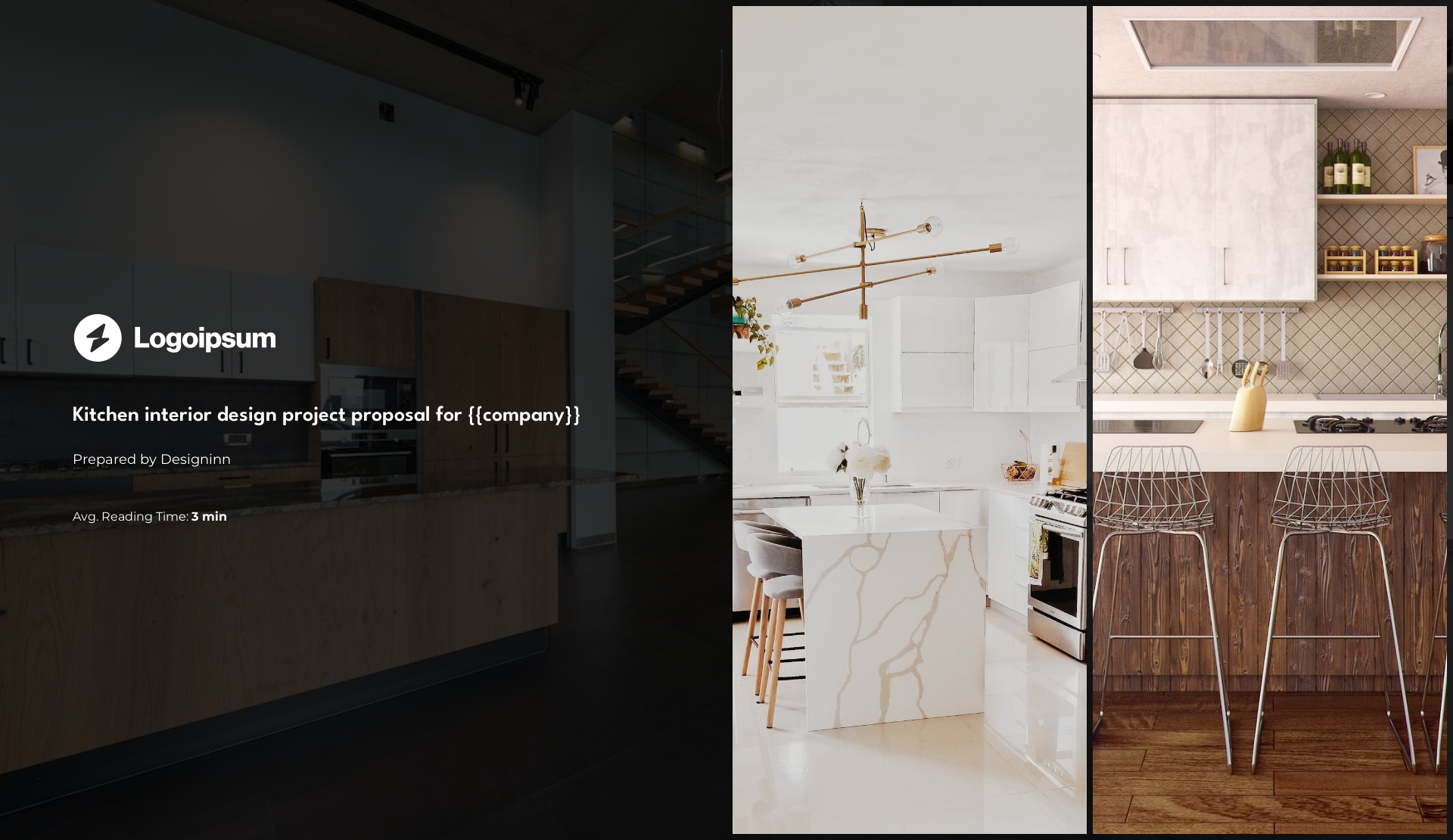
Kitchen design proposal
This kitchen interior design proposal is crafted to transform kitchen spaces into contemporary, functional, and aesthetically pleasing environments.
It emphasizes personalized design, innovative storage solutions, and the seamless blend of beauty and utility, tailored to the client’s lifestyle and culinary preferences.

Scroll to preview
What makes this interior design proposal great:
- Use of grayed-out content: The proposal employs grayed-out content strategically to guide the reader’s attention to key elements, ensuring focus on the most important aspects of the design plan.
- Project timeline slide: A clear and detailed project timeline slide is included, outlining each phase of the design process from conceptualization to handover. This helps set realistic expectations and demonstrates project management expertise.
- Smart CTAs: The proposal concludes with smart call-to-action (CTA) buttons, including an embedded calendar at the end. This feature makes it easy for clients to take the next step by booking a consultation directly from the proposal.
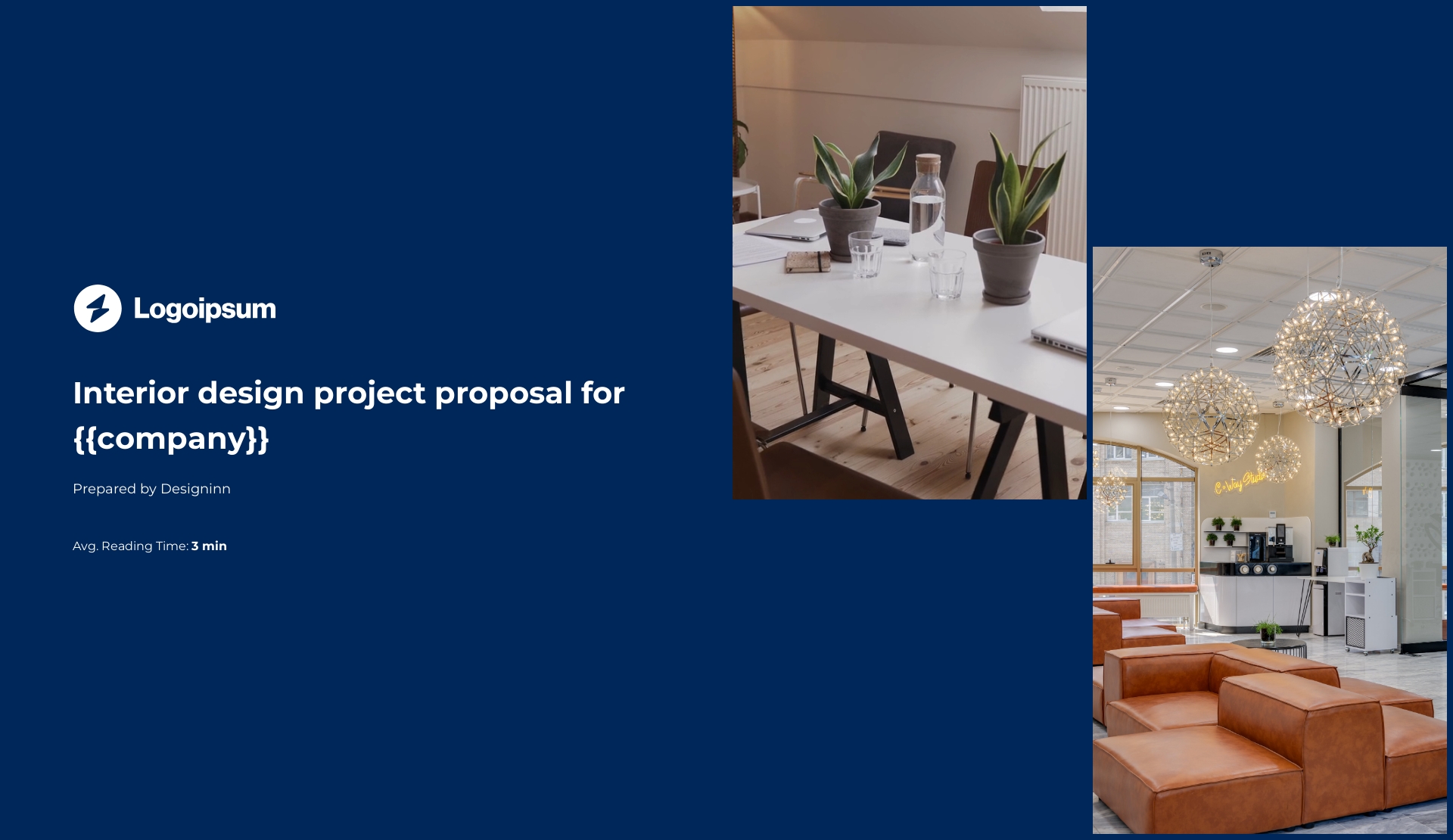
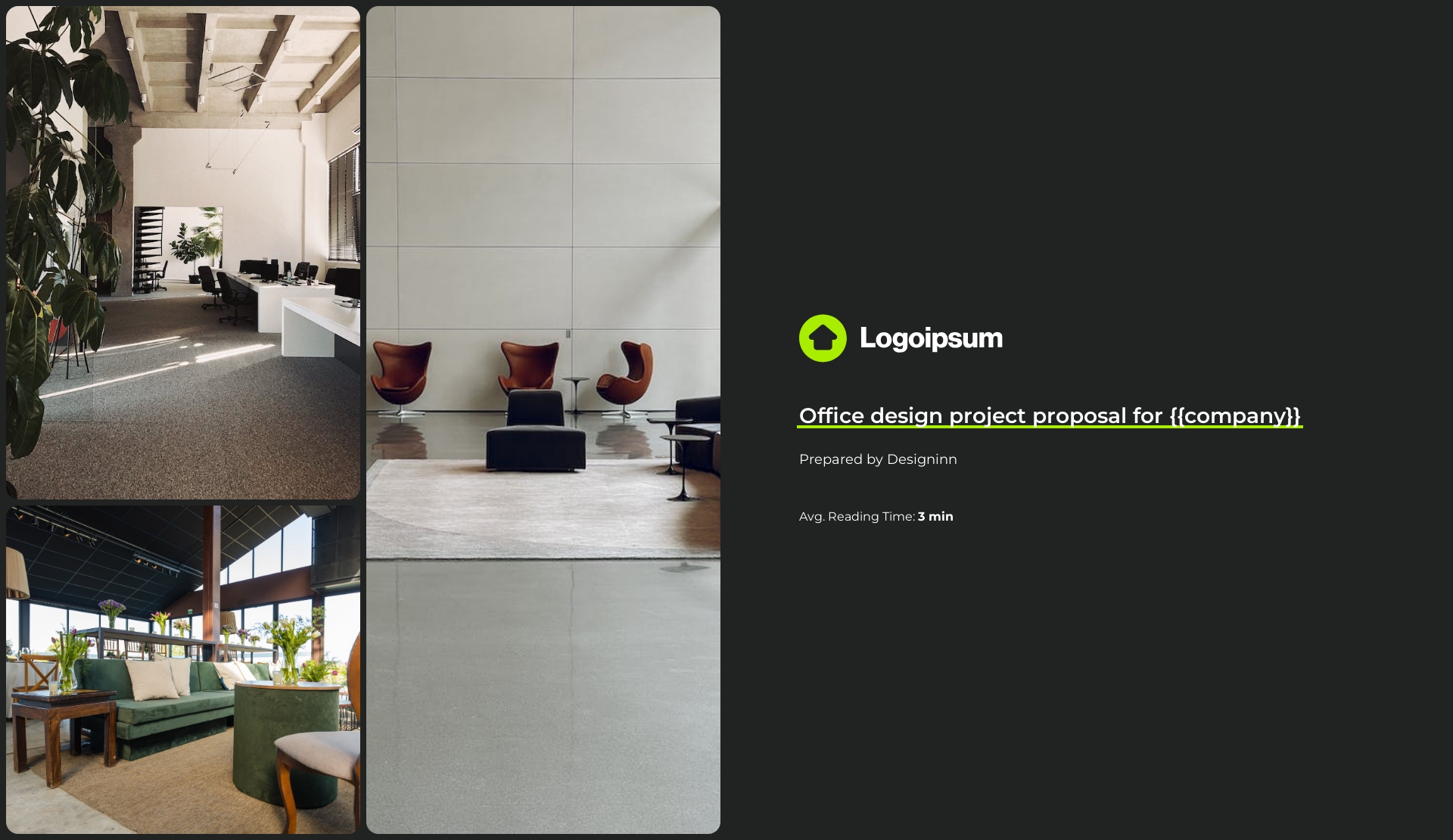
Office interior design proposal
This office design project proposal is tailored to create modern, collaborative workspaces that reflect the company’s values and culture.
It focuses on enhancing employee productivity and well-being, showcasing brand identity, and optimizing space utilization and functionality through innovative design concepts and efficient space planning.

Scroll to preview
What makes this interior design proposal great:
- Logo placeholders: The proposal features logo placeholders that can easily be customized using the logo finder feature, allowing for a personalized touch that aligns with the client’s brand identity.
- Option to extract branding elements: It offers the capability to extract branding elements directly from any website, ensuring that the proposal’s design seamlessly integrates with the client’s existing brand aesthetics.
- Accept button: Clients have the convenience of accepting the design offer directly within the deck, streamlining the process and encouraging immediate action.
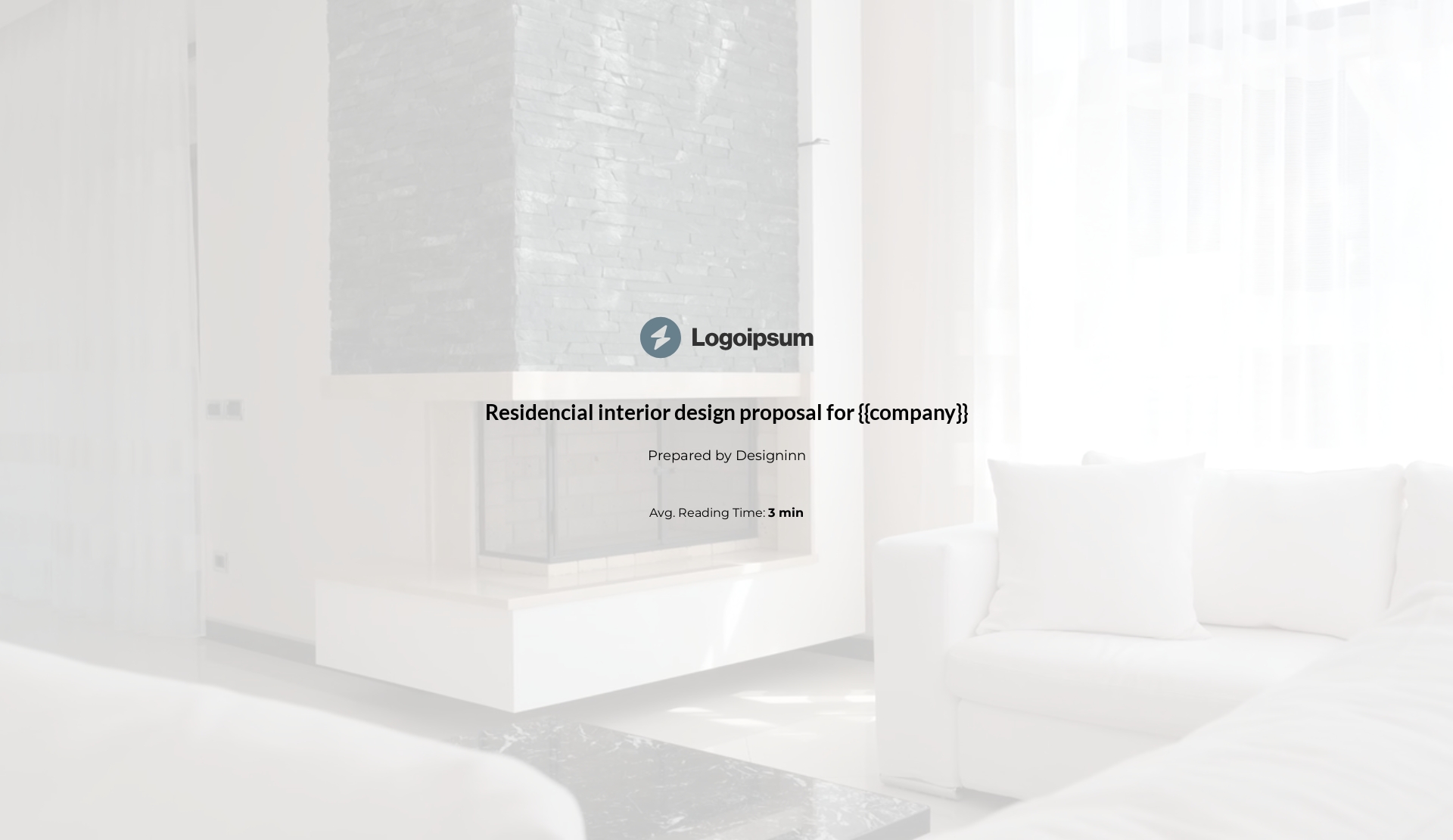
Residential interior design proposal
This residential interior design proposal is designed to engage clients with a dynamic and immersive experience, showcasing how their personal style and lifestyle can be reflected in their living spaces.
It cleverly combines interactive elements, such as customizable logos and expandable text sections, with a visually appealing layout that captures the essence of the proposed design concepts.

Scroll to preview
What makes this interior design proposal great:
- Use of scrollytelling: The proposal employs scrollytelling, a narrative technique that guides viewers through the design concept as they scroll, making the presentation engaging and easy to follow.
- Expandable text sections: To keep the main slides focused and uncluttered, additional text can be tucked under expandable text sections. This approach ensures that detailed information is accessible without overwhelming the initial presentation.
- Analytics panel access: The proposal includes access to an analytics panel, allowing the design team to see how viewers interact with the deck. This feature provides valuable insights into client engagement and interest areas.
Professional interior design project proposal
This professional interior design project proposal integrates advanced features that enhance interactivity, personalization, and control.
By incorporating AI assistance, CRM integration, and smart control measures, it sets a new standard for how design proposals can be crafted and presented.

Scroll to preview
What makes this interior design proposal great:
- AI assistant for content generation: The proposal utilizes an AI assistant to help with generating text or images, streamlining the creation process and ensuring high-quality, relevant content.
- Personalization at scale: It offers the option to personalize the proposal at scale by integrating with your CRM system. This feature allows for a tailored presentation for each client, enhancing the personal connection and relevance of the proposal.
- Smart control measures: The inclusion of smart control measures, such as the ability to set an expiry date or password to protect the proposal, adds a layer of security and urgency, encouraging prompt feedback and decision-making from clients.
How to write an interior design proposal?
Crafting a successful interior design proposal is about telling a story, setting the stage for a transformation that will turn a space into a reflection of the client’s personality, needs, and dreams.
Here’s how you can write a proposal that not only stands out but also seals the deal.
1) Understand your client’s vision
Before you dive into the specifics of your proposal, take the time to truly understand your client’s vision, needs, and preferences.
This understanding forms the foundation of a proposal that speaks directly to your client, showcasing how your design solutions align with their aspirations.
Conduct a thorough initial consultation to gather insights, and reflect these back in your proposal to demonstrate empathy and alignment with their goals.
2) Showcase your unique value proposition
Your proposal should clearly articulate what sets you apart from other designers.
Whether it’s your innovative design process, your commitment to sustainability, or your knack for blending functionality with aesthetics, make sure your unique value proposition shines through.
This not only helps in establishing your brand identity but also in convincing clients why they should choose you over competitors.
3) Leverage visuals and branding
As a visual profession, interior design proposals benefit immensely from high-quality images, mood boards, and sketches. Use these elements to give your clients a glimpse of your vision.
Additionally, ensure your proposal reflects your brand’s aesthetics through the use of logos, color schemes, and typography. This makes your proposal more engaging and reinforces your professional image.
4) Detail the scope of work
Clarity is key when outlining the scope of work. Be specific about what your services will include and, equally important, what they won’t. This ensures expectations are clear, preventing scope creep.
Include phases of the project, deliverables, and any assumptions that underpin your proposal. A well-defined scope of work minimizes misunderstandings and builds trust.
5) Incorporate a clear pricing structure
Transparency in pricing builds trust. Break down your fees into understandable segments, whether you charge a flat rate, hourly, or a percentage of the project cost.
Be upfront about potential additional costs and how changes to the scope will affect pricing. This clarity helps clients make informed decisions and reduces the likelihood of disputes over fees.
6) Set clear terms and conditions
Your proposal should include a section on terms and conditions that cover payment terms, project timelines, and any other legalities.
This section protects both you and your client by setting out the rules of engagement, helping to avoid potential legal issues down the line.
7) Offer flexibility and options
Clients appreciate having options. Where possible, offer different packages or tiers of service that cater to various budgets and needs.
This flexibility allows clients to choose the level of service that best suits them, increasing the likelihood of them moving forward with you.
8) Highlight the benefits of working with you
End your proposal on a high note by reiterating the benefits of working with you.
Whether it’s access to exclusive trade discounts, a unique design philosophy, or unparalleled customer service, make sure your clients understand the value you bring to their project.
9) Use technology for efficiency
Embrace technology to streamline the proposal process.
Tools like e-signature platforms and online proposal templates save time and enhance the client experience. They make it easier for clients to review, sign, and return proposals, speeding up the decision-making process.
Interactive interior design proposal templates
Starting from a blank slide can be a real headache. It’s not just about filling in the blanks; it’s about crafting a story that showcases your design vision and meets your client’s needs.
Interactive interior design proposal templates provide a well-structured foundation that saves you both time and effort.
Using a template gives you the freedom to inject your unique style and ideas into a proven structure, ensuring your proposal stands out while remaining professional.
Just grab one.

