








How to Pitch Brands as an Influencer or UGC Creator & Win
Learn how to pitch to brands as an influencer or UGC creator, using effective strategies and examples for impactful proposals and successful partnerships.
Set as Preferred Source
A common hurdle is aligning your content strategy with the target brand’s marketing objectives. This mismatch is what costs most influencers the deal.
If you fail to align your media deck with the brand you’re going after you’re setting yourself up to lose partnerships and diminish your monetization potential.
But, I’ve spoken with those who have succeeded, and I will demonstrate what I have learned from them.
Stick with me, I’ll get to that.
Why partner with brands?
Creators should partner with brands if they want to make money.
This is the most common and succeeding business model for influencers.
And if you want to make a living of social media this is how it’s done.
If you’re just starting out don’t sweat it. Interestingly, nano influencers, who have fewer than 10,000 followers, often experience the highest engagement rate, according to a 2021 study by Later and Fohr.
So don’t worry if you’re still small. Hone your niche, create great content, and confidently reach out to brands. They are looking for trustworthy content creators and influencers.
What to include in an influencer brand pitch deck?
- Introduction slide: Offer a concise introduction of yourself and your brand, capturing the essence of what you do and your core values.
- Achievements and USPs slide: Your unique selling points and key accomplishments. Back you up with statistics.
- Business model slide: Present your strategy for content, engagement, your monetization plan, and explain how you will generate value for your clients.
- Campaign objectives slide: Clearly define the objectives of your current campaign, Why them? state what you aim to achieve and how it aligns with the brand.
- Audience demographics slide: Describe their preferences and behaviors and how they align with the brand’s offerings.
- Social media reach slide: Show the reach and engagement levels of your social media. Demonstrate your influence and capacity to engage audiences.
- Opportunities slide: Offer your abilities, sponsored posts, brand ambassadorship, exclusive content, event appearances, etc.
- Next step slide: A call-to-action slide, not a thank-you slide. Encourage them to try your product, visit your social media, leave feedback, and propose a meeting.
What does an influencer pitch deck for brands look like?
Your pitch deck should use real examples and storytelling to demonstrate your unique capabilities.
This is your chance to show what is special about you. And please, ditch those generic Instagram and TikTok social profiles, they all look the same.
Include mockups to simulate potential campaigns, even fake ones if necessary.
Tailor each pitch section to reflect the targeted brand’s ethos.
A meticulously prepared media kit that showcases a wide spectrum of skills not only demonstrates you are a professional but also builds trust in you.
Tips by social managers to fine-tune your approach to pitching brands:
- Projecting confidence convinces brands that investing in you will yield top-notch content. Don’t let them doubt your commitment by sending a pitch that appears rushed or a media kit that seems sloppy.
- Preparing a unique media kit or dedicated UGC portfolio is the best way to demonstrate how much you value yourself, commit to work, and distinguish yourself from other influencers who may be looking for easy work.
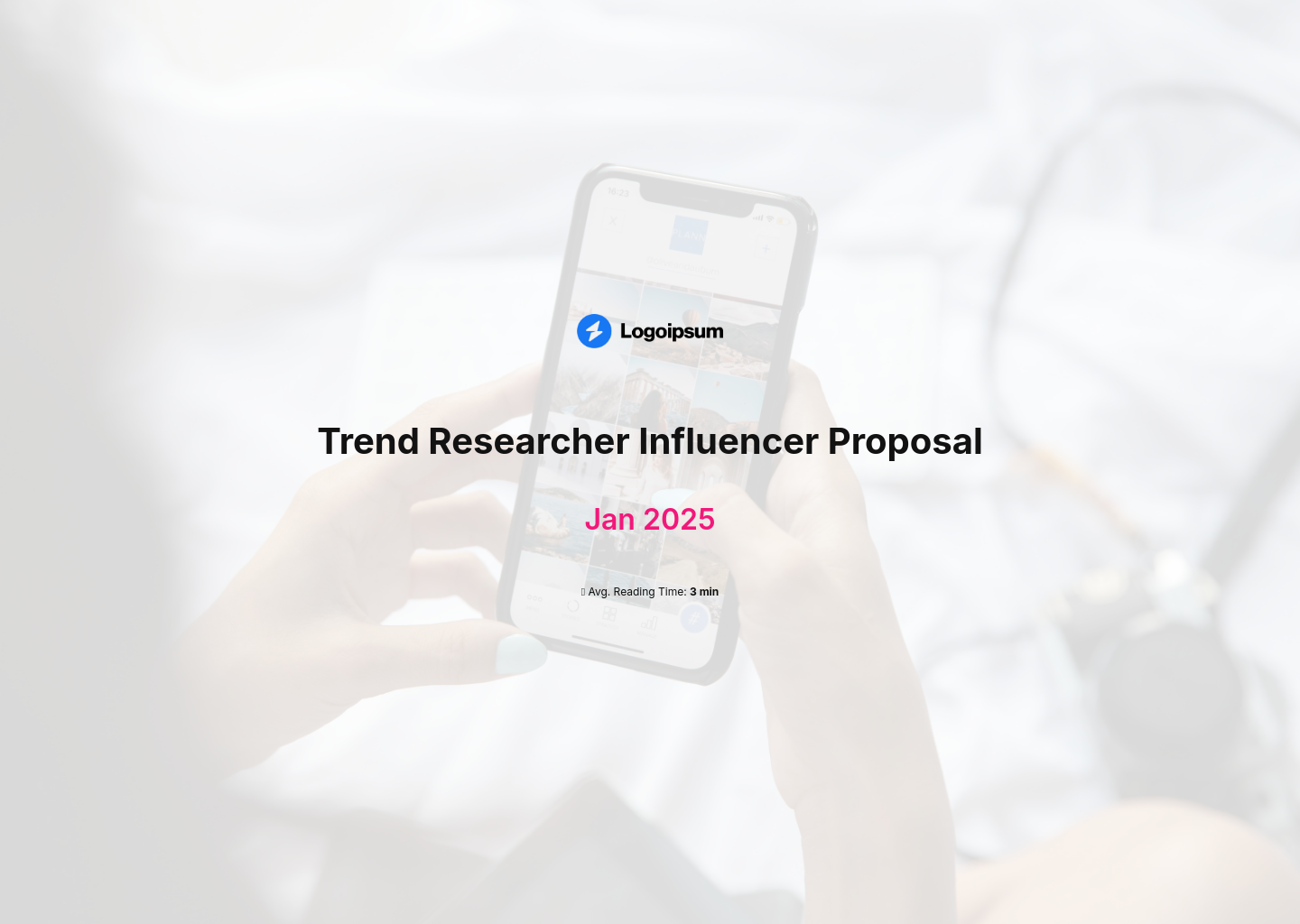
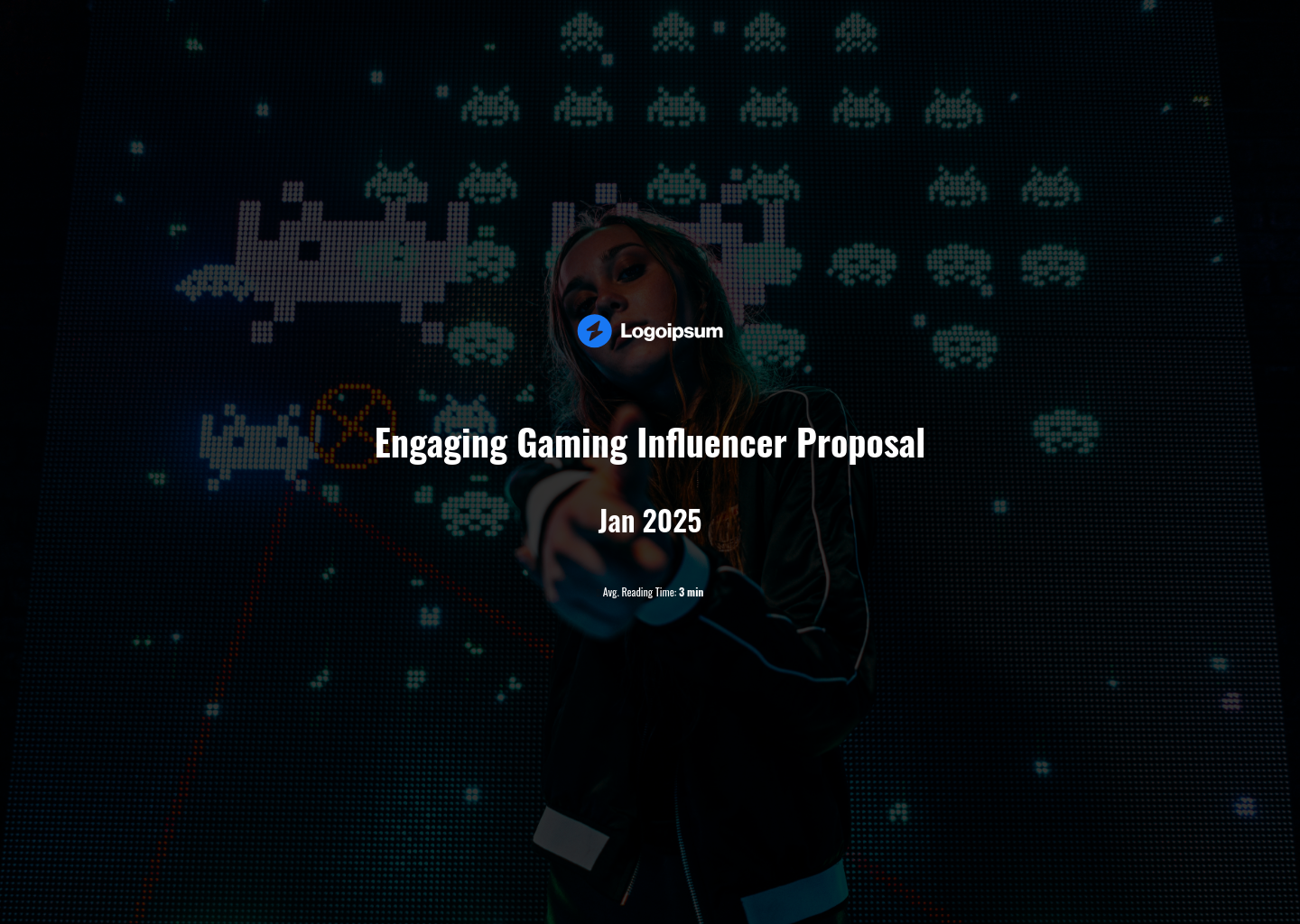
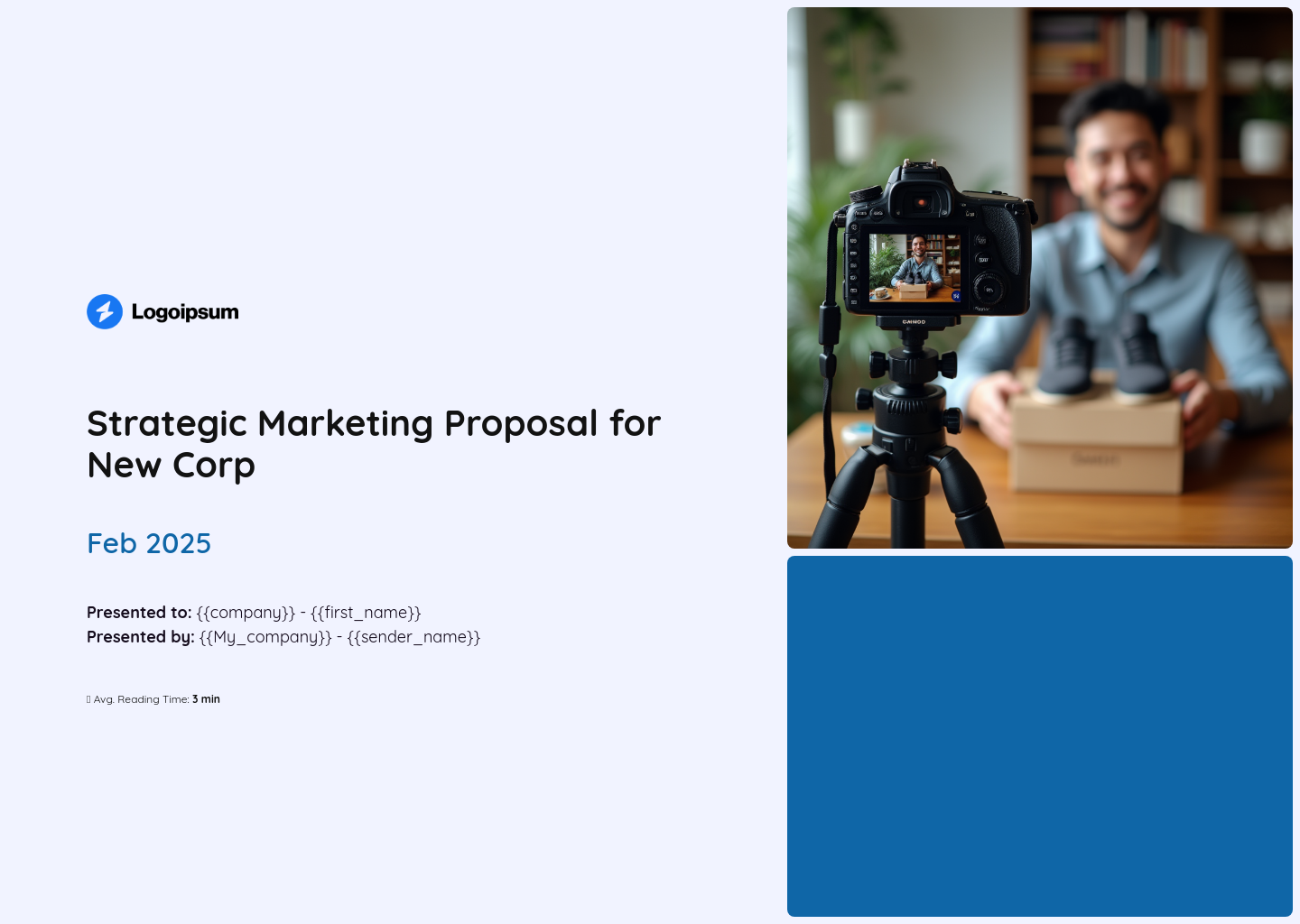
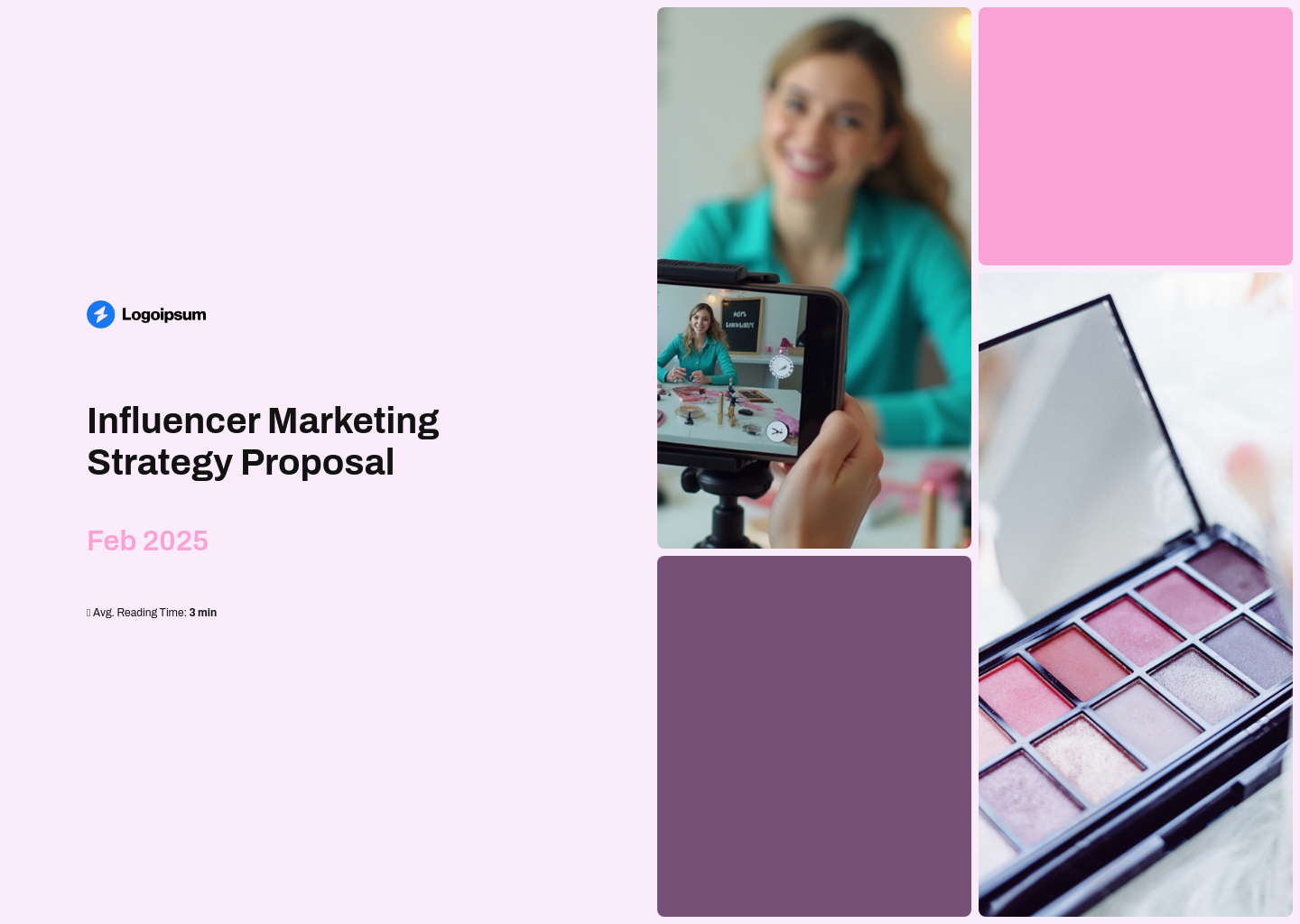
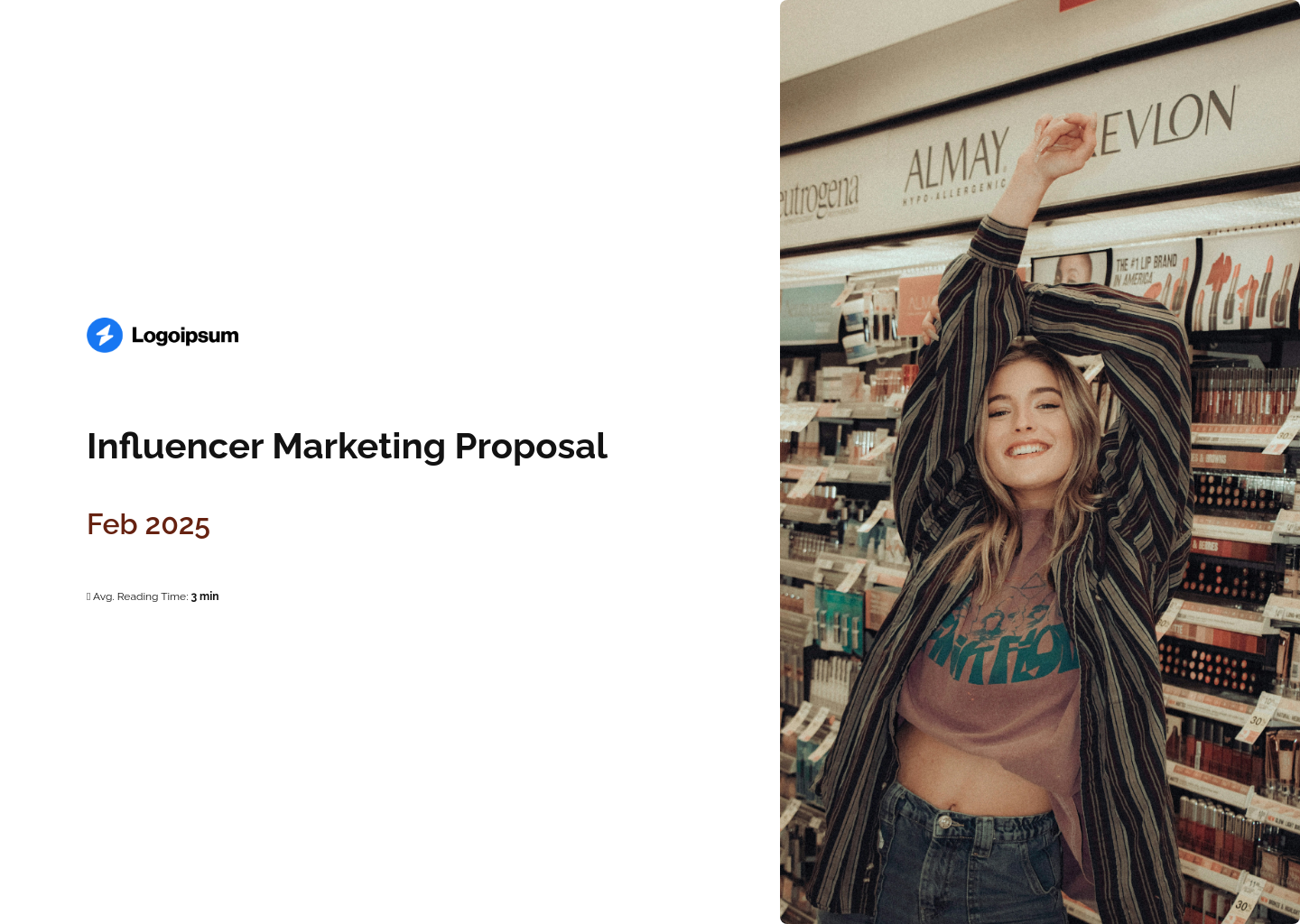
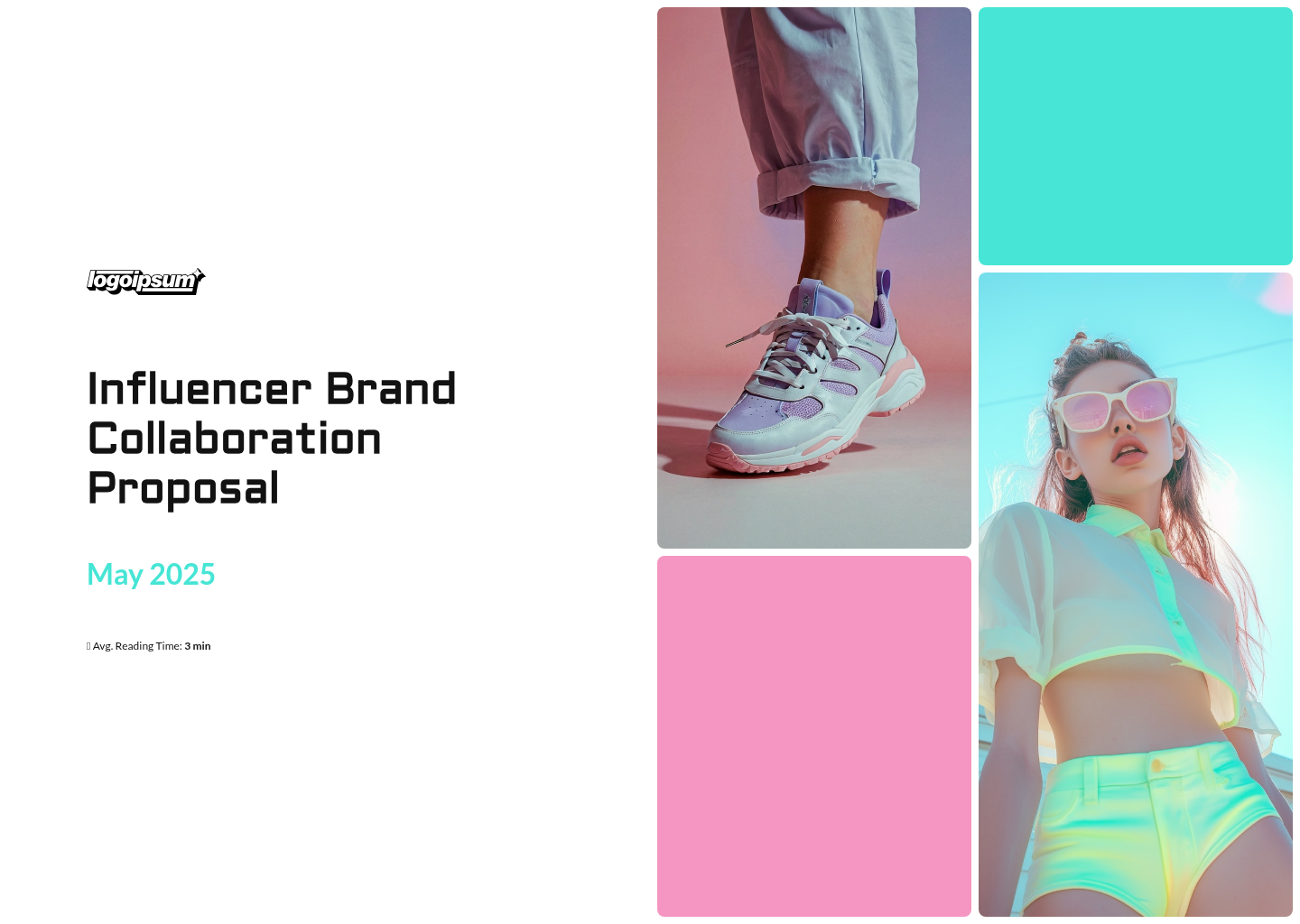
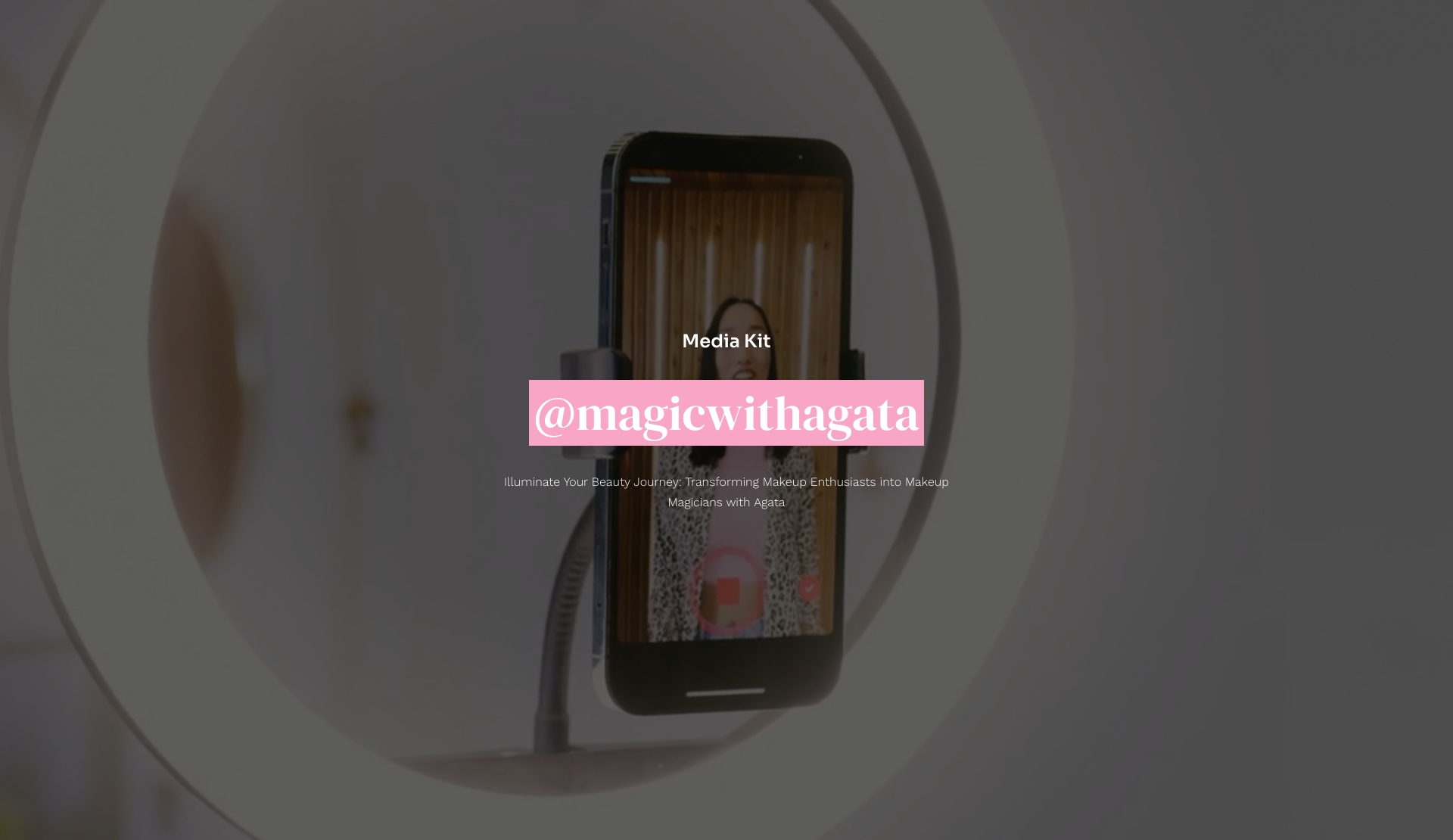
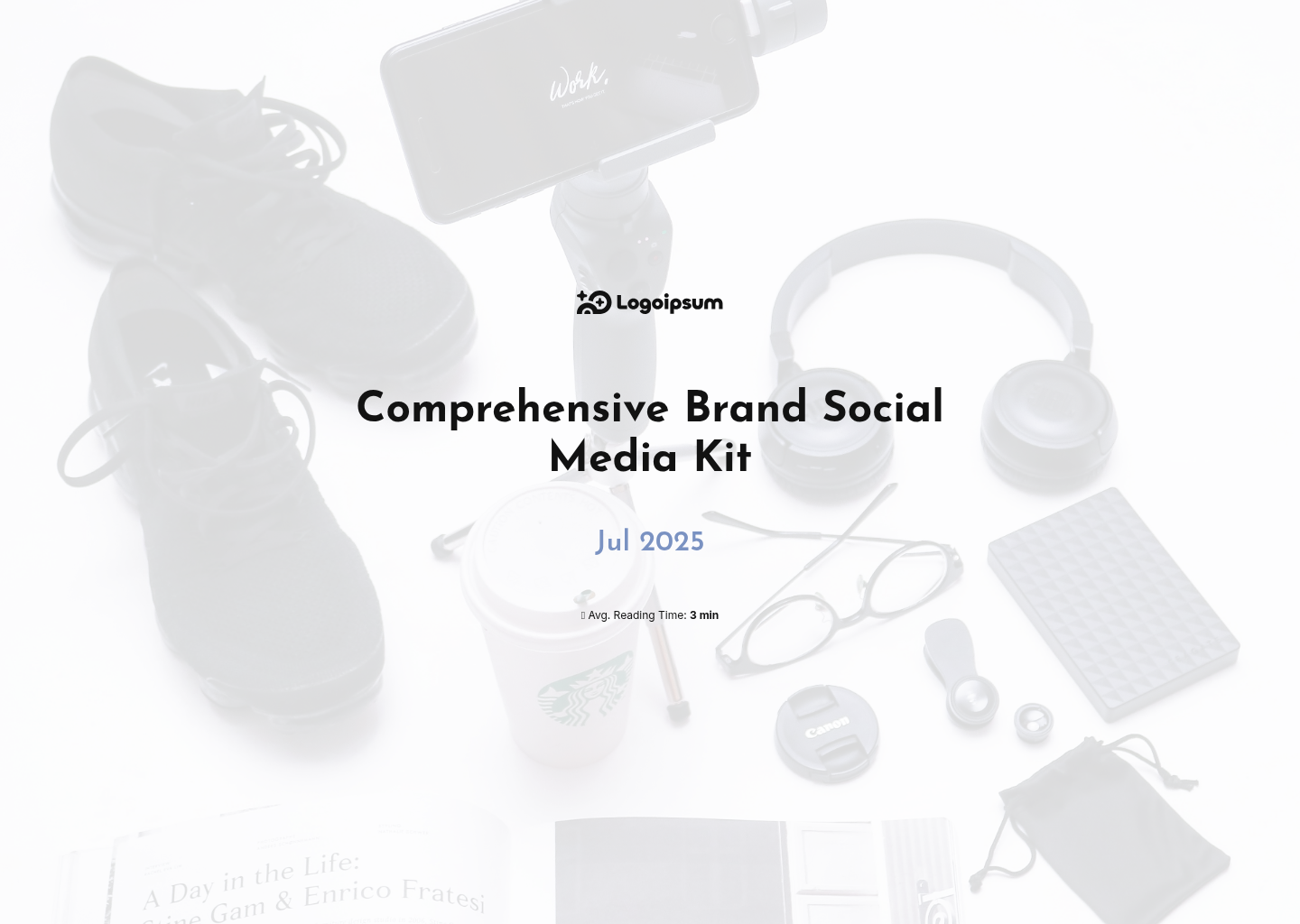
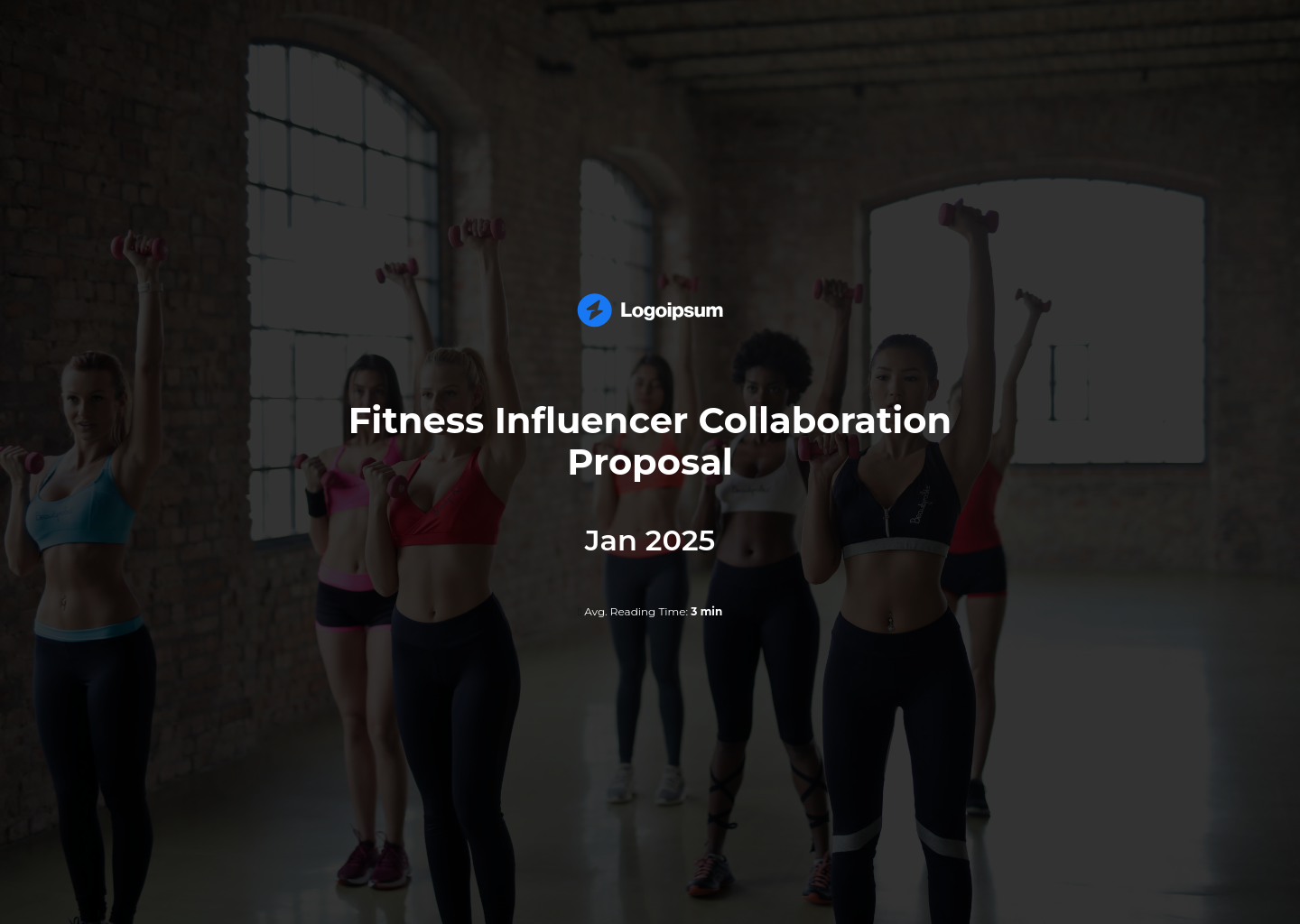
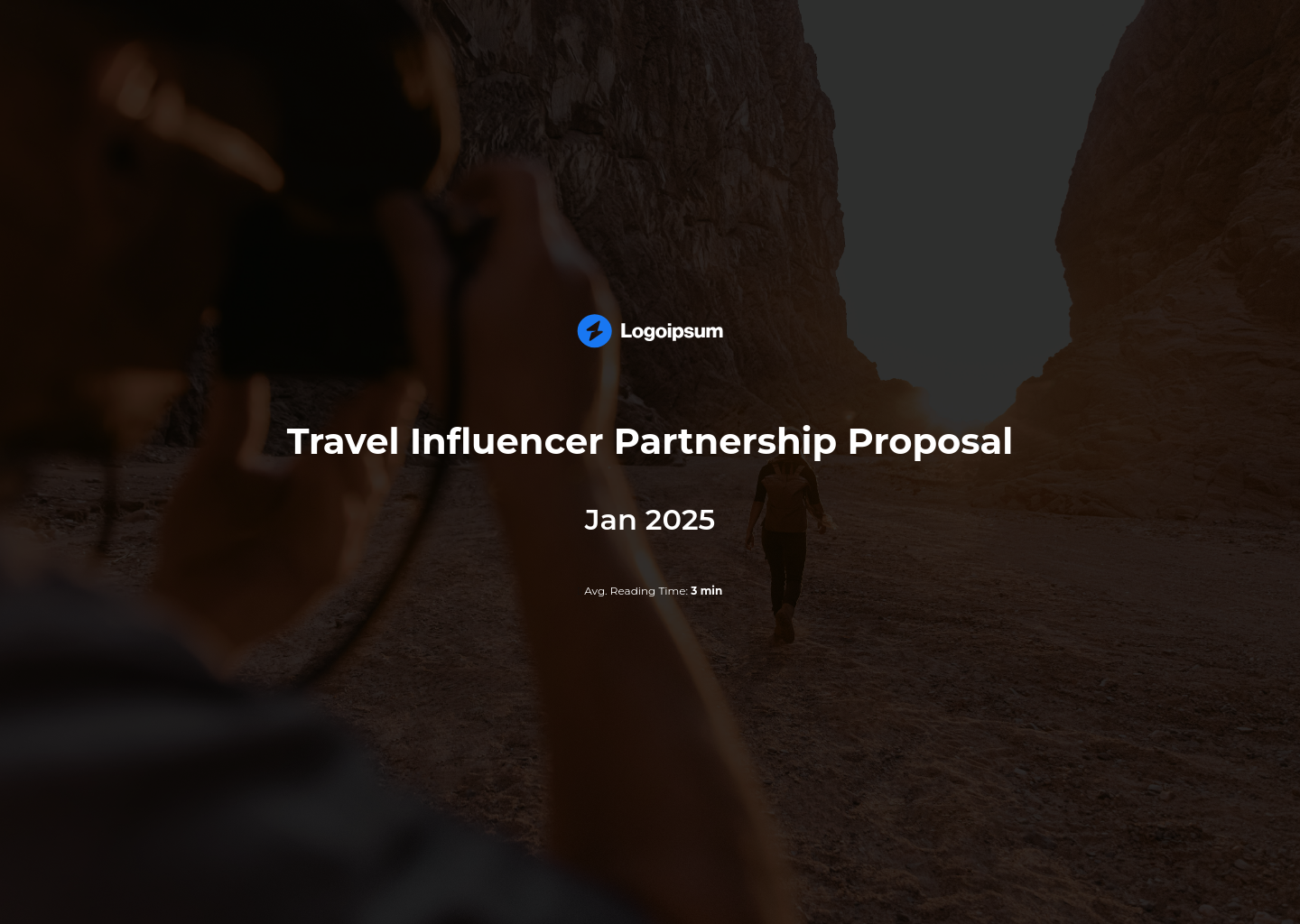
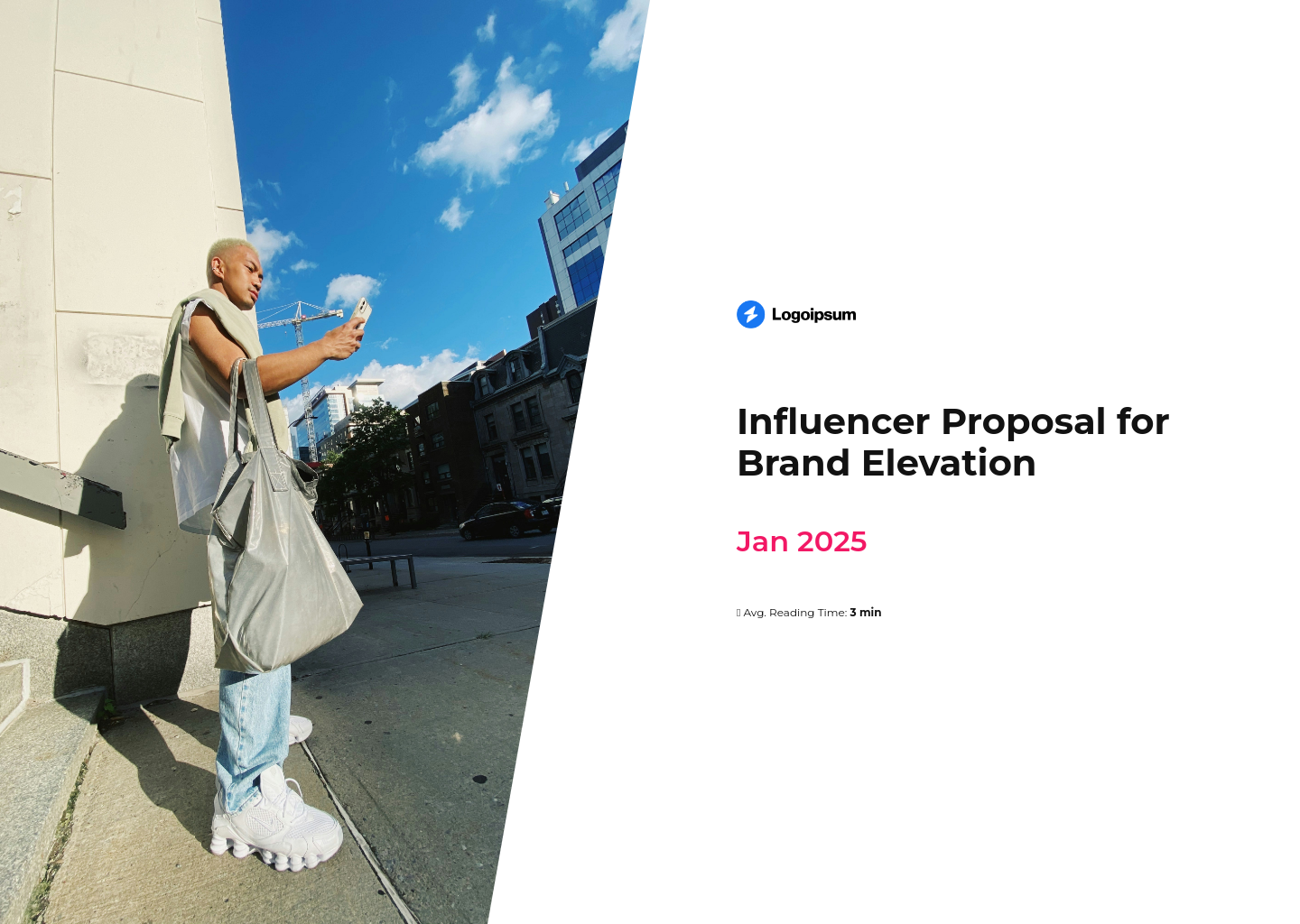
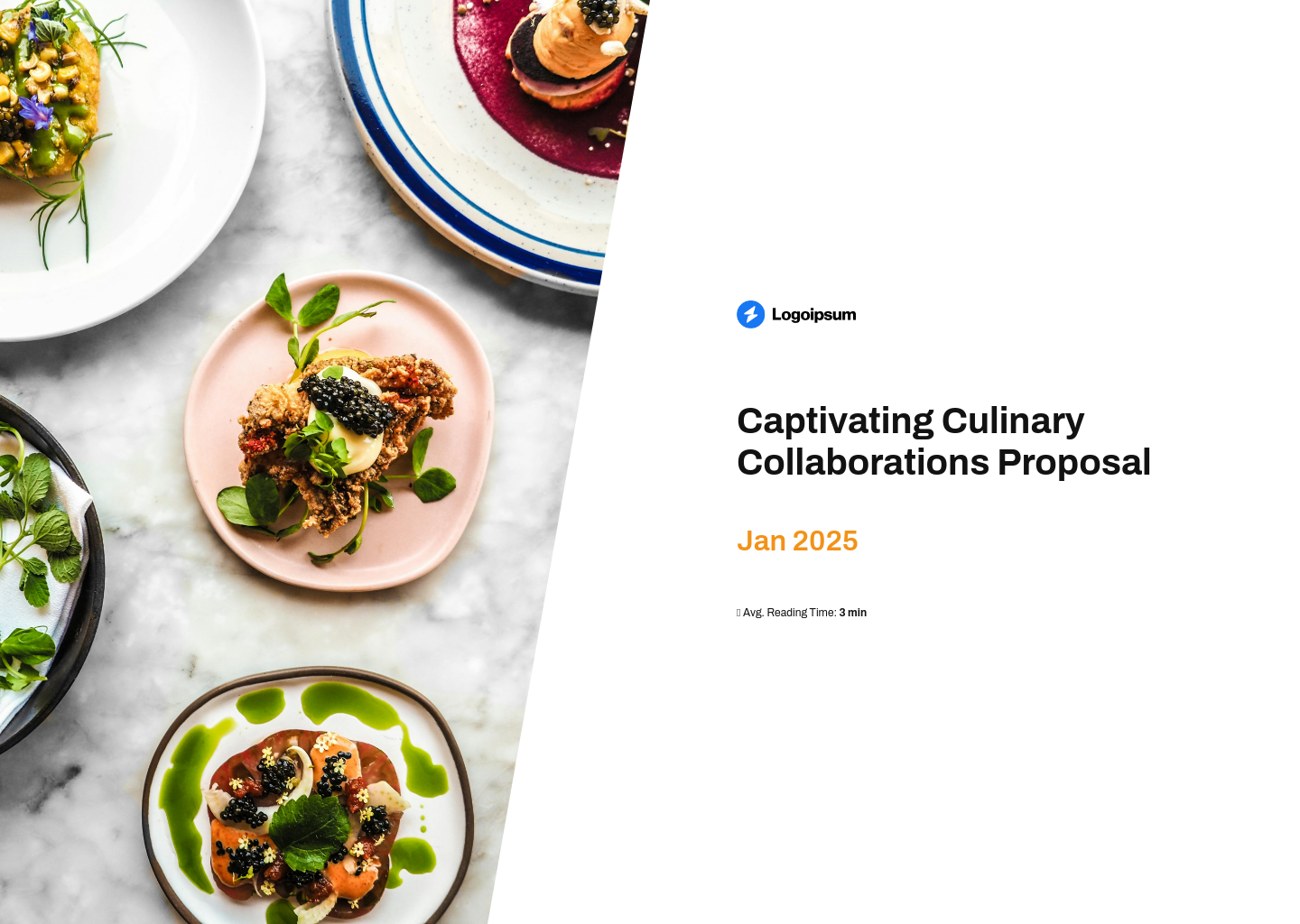
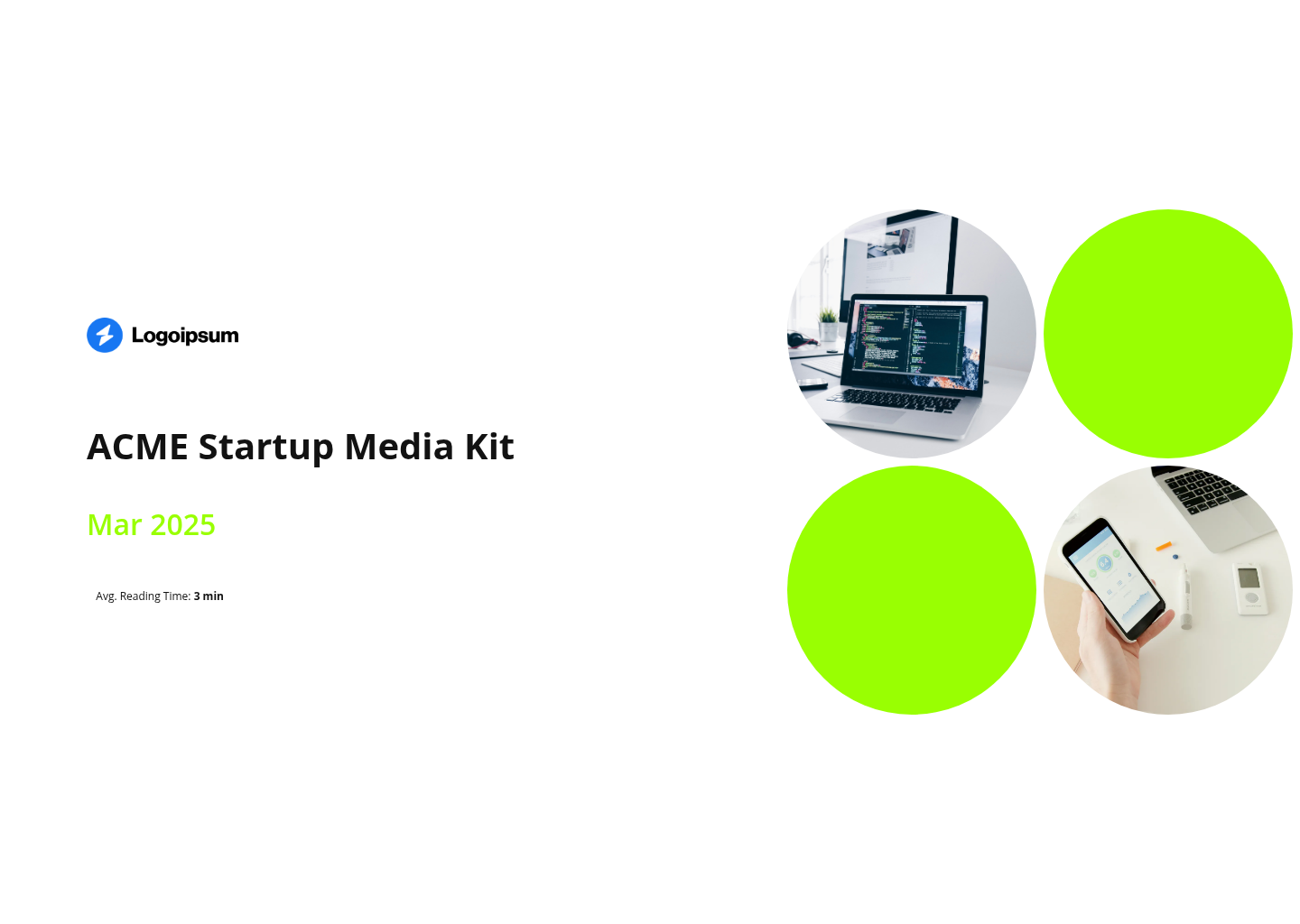
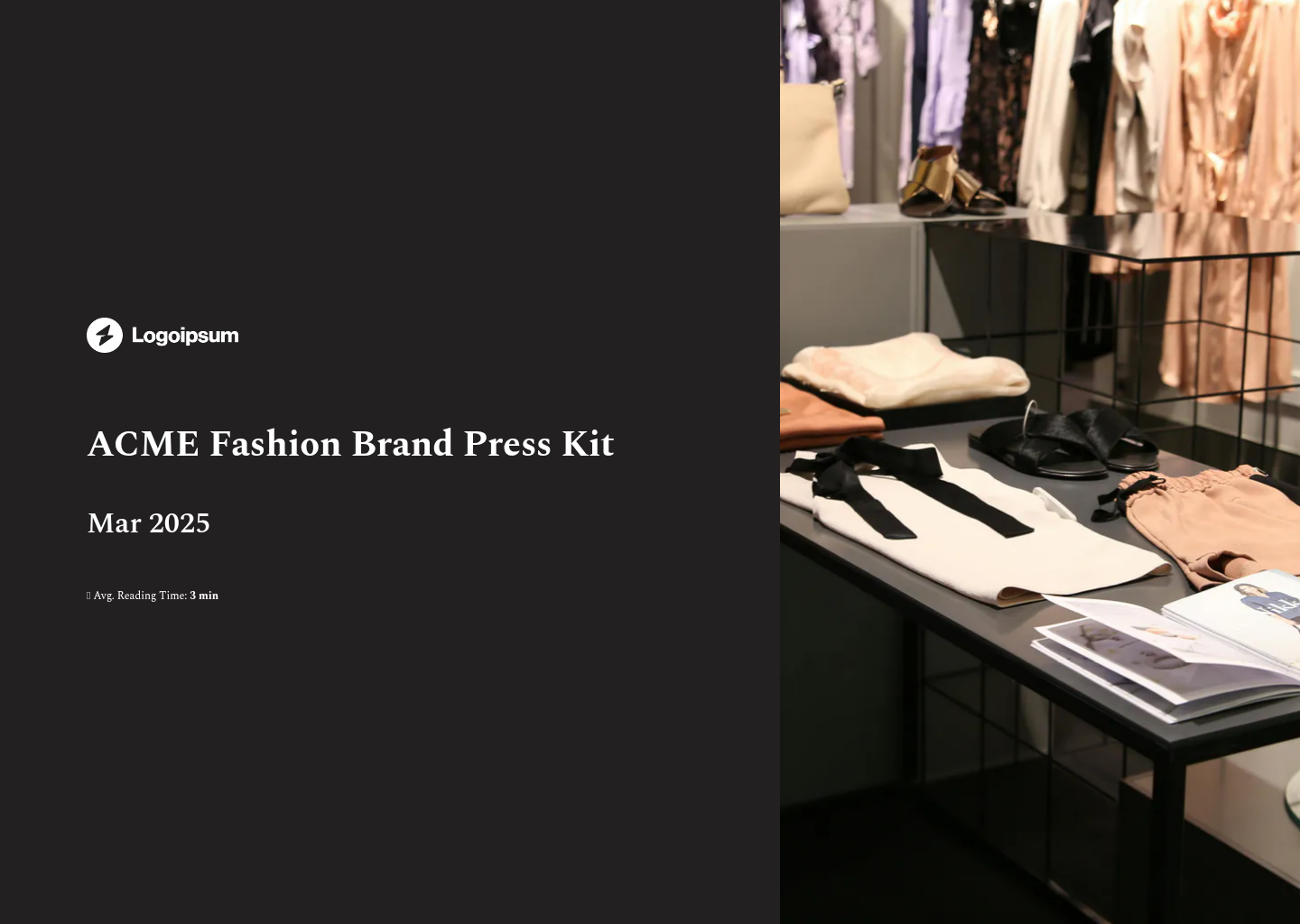
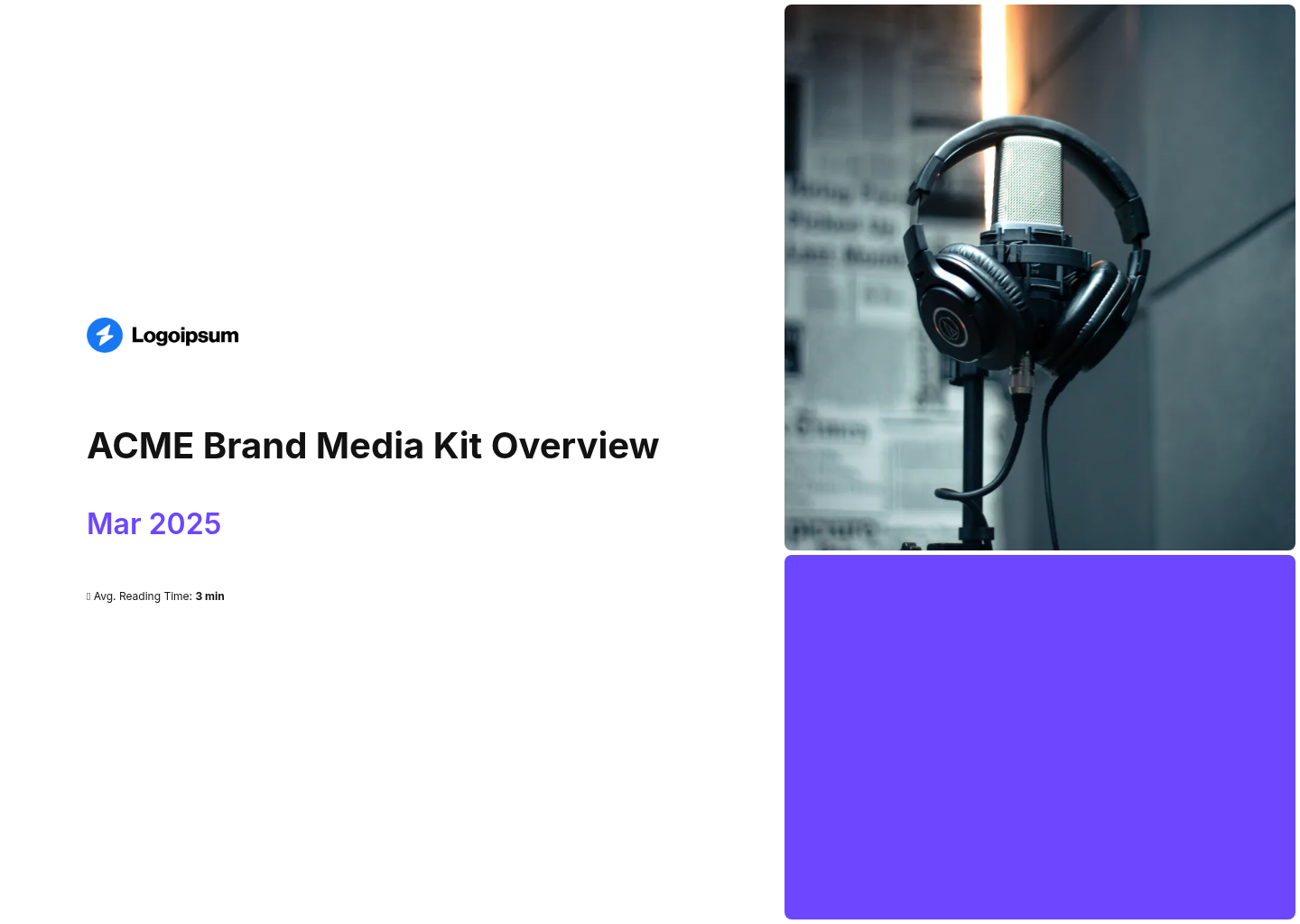
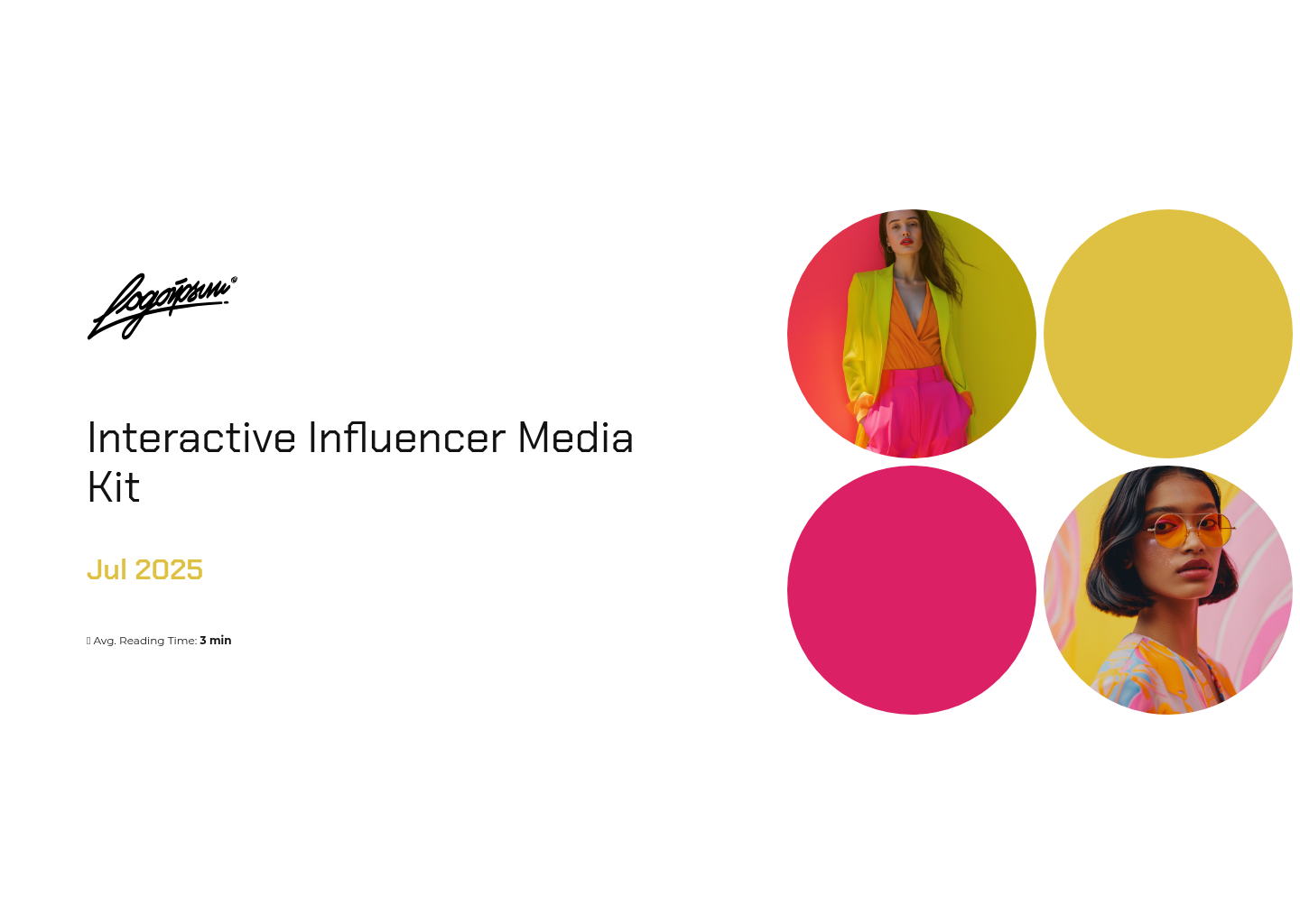
Here’s an example of an effective influencer media kit:

Scroll to preview
How will brands qualify your pitch?
When influencers effectively pitch to brands, they need to demonstrate a deep understanding of what content brands are actively seeking.
If you don’t meet the criteria they are looking for you will be disqualified and denied any future partnership.
What are brands looking for in a pitch:
- Audience insight: Demonstrate deep knowledge of the brand’s target audience, their lifestyles, and values to show how your content connects meaningfully.
- Authenticity: Emphasize genuine use of products, highlighting that authentic content engages audiences better than traditional ads.
- Engagement metrics: Detailed metrics like engagement rates and impressions show an influencer’s impact on their audience.
- CTAs: Detail strategies for encouraging audience interaction, like sharing experiences or engaging in brand challenges.
- Content space: Ensure sponsored posts have no nearby promotions or competitor brands, allowing them to capture full audience attention.
- Trend relevance: Align your content with trends that enhance the brand’s message, ensuring relevance and timeliness.
- Customizable content: Ability to tailor media kit components for specific pitches shows adaptability to brand needs.
- Subtle promotion: Focus on weaving products into your content subtly, creating a narrated design where the product enhances the story rather than dominates it.
- Diversity: Include a variety of perspectives in your content strategy, making it relevant to a broader audience and reflecting the brand’s commitment to inclusivity.
- Quality content: Produce high-quality, high-resolution visuals that stand out and elevate the brand’s presence.
- Planning for future occasions: Anticipate and plan content for upcoming events or seasons, showing brands you can maintain relevance and engagement over time.

Pitch to brands templates (emails, DM, and pitch decks)
If I were to receive them, I would instantly trash all the generic templates. They are too long, with no personalization besides their names. That’s not the way to pitch.
Stick to a maximum of 3-4 sentences, this is cold outreach, so be clear and precise. Although it’s challenging to condense, try to include all the valuable information.
Start with a greeting and introduction, state what you have to offer in one sentence, mention the payout/compensation (what’s in it for them), and suggest a time to talk.
That’s it.
Brand pitch deck templates
A ready-made brand pitch deck template will make you stand out and present all of your strengths in a way you can’t achieve through an email or direct message.
Interactive media kit templates offer a structured starting point and are designed to present your brand or portfolio effectively in a digital format, perfect for easy navigation and quick scanning.
Brand pitch email templates
It’s all about personalization and customization. The better you do it, the more responses you’ll get.
Those companies want to see your strengths and your added value, it’s not going to work if they don’t see it.
And one last thing, you have to follow up. Develop a personalized follow-up message that’s ready to be dispatched. It shows your commitment and keeps the conversation alive.
Brand pitch DM templates
Starting with a simple greeting like “Hello dear, are you interested in cooperation?” might seem sufficient, but it lacks the personal touch that sets you apart.
For me, it’s not going to work.
As I mentioned in the email section, it won’t work without personalization. Tailoring the message specifically for the brand demonstrates your dedication and attention to detail.
The DM method is a less formal way to get in contact with brands, so think out of the box for responses in this case.
How to find brands that align with your influencer profile?
Without clearly defining your content and that of your targeted brands, you are essentially shooting in the dark.
If you’re not active within your industry, you will miss every opportunity that comes your way.
However, these 5 basic practices could help you make a start.
1. Join influencer marketplaces
Platforms like AspireIQ or Upfluence offer a centralized space where you can connect directly with brands.
Create a compelling profile that highlights your niche, audience demographics, and past successful campaigns to attract the right partnerships.
2. Regularly check for active brands
Monitor the social media platforms and websites of brands partnering with influencers, especially those in your niche.
Understand their current marketing strategies and pay attention to any announcements or promotions they are part of.
3. Identify brands investing in influencer marketing
Search for # on platforms like Instagram, TikTok, etc to find brands investing in influencer marketing.
This can also reveal the types of campaigns brands are currently interested in.
4. Attend conferences
At conferences, you can meet brand representatives face-to-face.
Conferences often host brands looking for fresh faces for their marketing initiatives, providing a direct route to new collaborations.
5. Join networks
Try arbitration platforms such as Commission Junction or ShareASale to gain access to affiliate programs where you can start earning commissions.
These networks also provide a platform to showcase your influence and attract brands looking for proven results.
What tools to use to create your pitch?
- Storydoc: You’ll love how Storydoc amps up scrollytelling, perfect for those deep-diving media kits and influencer pitch decks. If you’re used to traditional tools, you’ll be amazed, but the learning curve could be steep.
- PicMonkey: This one has all the essentials for crafting standout visuals for your media kits. Just a heads up, there’s no free version, and you might find the templates a bit lacking.
- Canva: Offers a vast library of templates that let you whip up attractive pitch decks quickly. And honestly, Canva really needs to step up – it’s not as cutting-edge as it used to be.
- Traackr: This platform is about managing influencer collaborations and tracking your impact. Just remember, it’s quite the mouthful if you’re just starting out.
- VistaCreate: Ideal for crafting visually captivating media kits, offering an extensive selection of graphic elements and user-friendly design features.
- Prezi: If you’re ready to ditch the usual slide scene, Prezi’s dynamic, zoomable canvas is good. But, be warned, it’s non-linear, so there might be a learning curve.

