





















How to Apply Storytelling in a Startups Pitch
Learn how interactive storytelling turns your startup’s pitch deck into a compelling narrative that captivates investors and drives successful fundraising.
Set as Preferred Source
Why use storytelling in startup pitch decks?
Today’s investors have seen it all: the good, the bad, and the buggy. How do you turn their maybe into a resounding yes? You tell them a story – a story so compelling that they can’t help but want to be a part of it.
Stories persuade more than data ever could. And if you manage to wrap your business idea within a great story with a big promise of profit and fame, you’ll have investors waiting in line to give you their money.
Now, let me show how you can turn your startup’s idea into a story worth investing in.
How to write a storytelling pitch deck?
Crafting an interactive pitch is like baking a cake: you need the right ingredients in the right proportions. Here’s the recipe –
1) Hook them early
You’ve got about 30 seconds to grab their attention before they start mentally scrolling through their emails.
Start with a bang – use a shocking statistic, a compelling question, or a brief, vivid story that sets the stage for your narrative. Make them sit up and think, “This is different.”
Here’s an example of a video title slide:
2) Set the scene
Every startup has an origin story, a eureka moment, or an instigating event that brought it into existence and set the founders on a mission to change the world.
What gave birth to your idea? Where are you going? What will you do when you get there?
First, sketch the backdrop of the old, drab world before your venture sprang up. What made that world a pain to live in?
Then, contrast that with the bright and booming future your company promises. What makes you the hero to transform the old and miserable world for the better?
Let the investors see the transformation, and more importantly, let them feel the urgency – why the change must happen now.
Dropbox did a great job explaining ‘why now’:
3) Give investors characters to root for
Investors invest in people, not just ideas. But this is where many pitches fall flat. Most startups know they need to outline a problem but they communicate it in broad terms instead of putting a face on it.
A problem should be told through the story of a person (real or persona) who experiences the problem with the full spectrum of human emotion.
You should also bring yourself and your team to the pitch. You are the most important part of the pitch, no one else can do this venture but you.
Showcase your histories, and how you built and honed your skills. Your successes, but also how you failed, got back up, pivoted, and tried again.
Elevate your team presentation from a lineup of LinkedIn summaries into a hero assembly worthy of a feature film.
Here’s how Tinder brought their team to life in their solution slide:
4) Introduce conflict
Now, bring in the conflict – every good story has one.
What monumental problem does your startup aim to solve? Why is your approach revolutionary?
Here’s where interactive demos or simulations can play a starring role. Allow investors to experience the problem firsthand and then introduce your solution.
Engage them through interactive problem-solving sessions; make it a two-way dialogue rather than a monologue.
Zuora nailed it with interactive slides:
5) Get cameos from established industry voices
Having a respected figure present or endorse your pitch can dramatically increase its credibility and reach. You could include snippets of influencer commentary in your presentation or, even better, have them participate in a live Q&A session.
This slaps a giant “approved by experts” sticker right on your pitch.
But how do you snag such illustrious allies? It all begins with good old networking. Hit up industry gatherings, webinars, and expos.
You can also deploy an influencer analytics platform to cherry-pick the influencers you aim to woo.
Then, engage with them online, and when the moment feels right, toss your pitch their way. If they bite, get them to lend their voice to your presentation or share anecdotes from their own experience in your domain.
6) Plot the resolution
The climax of your story should revolve around your product or service.
This is the treasure your characters have fought to find. But don’t just tell your investors about it. Show them.
Use interactive product tours, videos, real-time data dashboards, or even VR experiences if your product lends itself to such innovation. Make the benefits tangible, and the potential impact palpable.
Here’s an example of how Netflix showcased their solution:

7) End with a Call to Action
Finally, close your story with a powerful call to action. This isn’t just another ending; it’s a beginning.
Invite your investors to be part of your journey with clear, compelling next steps.
Whether it’s scheduling a one-on-one meeting, a site visit, or providing them with access to an exclusive investor portal, make sure they leave the presentation with a clear path forward.
A ‘Next Step’ slide looks like this:

Tips to nail your storytelling pitch
Alright, we’ve covered the theory, now let’s get practical. How can you put all this into action?
1) Rehearse, but keep it fresh
You’ve crafted a brilliant interactive story. Now, practice it until it flows effortlessly, but beware of the curse of over-rehearsal.
- Keep your delivery fresh and adaptable. Know your script well enough to stray from it when needed.
- Engage with your audience, respond to their cues, and let spontaneous moments breathe life into your presentation.
This approach ensures your pitch remains vibrant and responsive rather than a stale recitation.
2) Prepare for technical glitches
Murphy’s Law loves a tech-heavy presentation. Always have a Plan B—and C, in case of bugs and technical failures.
- Stash offline backups of your crucial slides and scripts.
- Additionally, rehearse scenarios where you might need to explain your tech without the tech.
Your smooth handling of technical glitches might impress your audience just as much as any high-tech demo.
3) Gauge your audience and adapt your pitch
Every audience is unique. Some may relish detailed technical dives. Others? Not so much – they’d rather hear about the big picture, particularly how it’ll fatten their wallets.
Use the opening act of your pitch to size up the crowd. Are people’s eyes glazing over during your code deep dive? Time to pivot. Drop the tech talk and charm them with stories of how your startup fixes actual problems.
4) Make it a conversation not a one-sided pitch
The beauty of interactive storytelling is not just in showcasing what you have but also in sustaining the engagement it sparks.
Here’s how you can achieve that continuous engagement:
- Pepper your pitch with pauses where investors can interject, challenge, and probe. This keeps the interaction flowing and tackles issues right when they pop up.
- Introduce game mechanics like points, challenges, and leaderboards to make your presentation more engaging.
- Explore the startup’s future growth through “what if” scenarios where investors can give their opinion on decisions in junctions that could affect the startup’s success. This participation gets them emotionally invested in your success.
5) Be authentic
Investors can smell inauthenticity a mile away. Be genuine in your storytelling.
Share your passion, your struggles, your vision, and your strategy for startup scaling. Authenticity builds trust, and trust is the foundation of any successful investment relationship.
6) Get feedback from friends and colleagues
Before the big day, test your pitch with a trusted audience.
Gather feedback, tweak your presentation, and iterate until it’s perfect. Pay attention to what works and what doesn’t, and be willing to make changes.
Technologies that support successful startup storytelling
Leverage technology to make your story come alive! Here’s how you can utilize the tech at your disposal.
Pitch deck creator
Storydoc’s own pitch deck maker turns stale static PowerPoint pitch decks into interactive storytelling mediums that impress investors.
With sleek templates and AI-powered suggestions, modern pitch deck tools will have you whipping up jaw-dropping decks in mere minutes. This way, you have more hours to hone your killer delivery.
Interactive dashboards
You can use these dashboards to allow investors to manipulate variables to see financial forecasts or market dynamics in real time. This allows investors to assess your potential based on their own analysis.
Real-time live poll
To achieve this, you can use a social media integration tool that allows viewers to vote in real time through platforms like Twitter, Instagram, or Facebook. The results can be displayed immediately on the screen. This keeps investors engaged and makes them feel involved.
QR codes
Generate your codes and embed them into your pitch deck to create interactive “easter eggs” that unveil additional data, video testimonials, virtual tours, etc. This can add a dash of playfulness and invite investors to dive deeper into your startup.
Augmented reality (AR)
AR technology allows you to present investors with virtual prototypes of a physical product, walk through a physical space, or experience your addition to the metaverse.
Project management dashboards
Through project management software, you can give investors access to your workspace, catching the wheels in motion and witnessing the meticulous choreography of your team. As a cost-effective alternative to software, you can grab a project timesheet template from Guru.
Automated website screen shotting tools
Avoid humiliating security failures during your website scrutiny by investors. Use website screenshotting tools like URLbox to keep tabs on your site, snapping periodic pics to catch sneaky changes or brewing security storms and inform you in time.
Pitch deck templates that tell a story
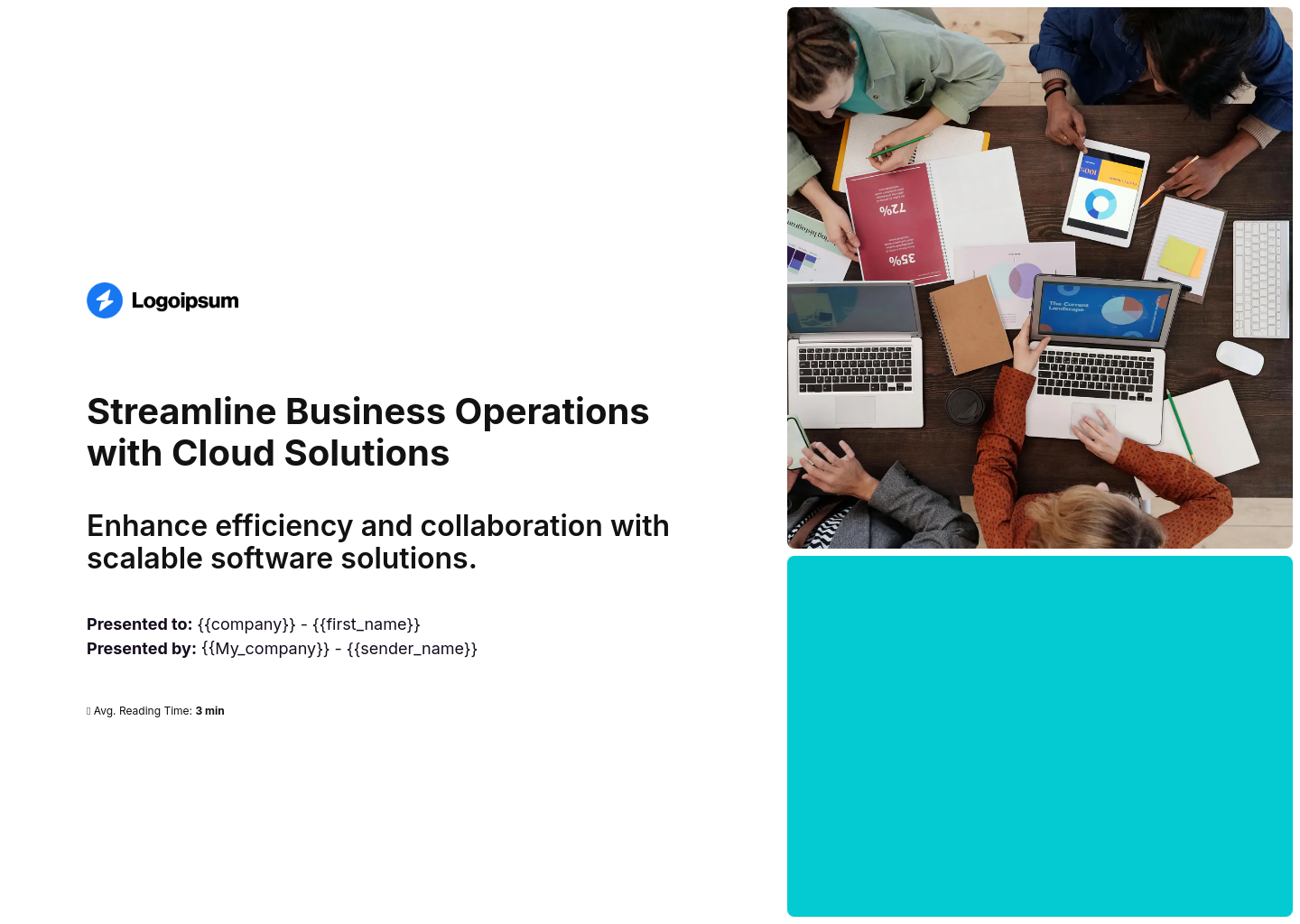
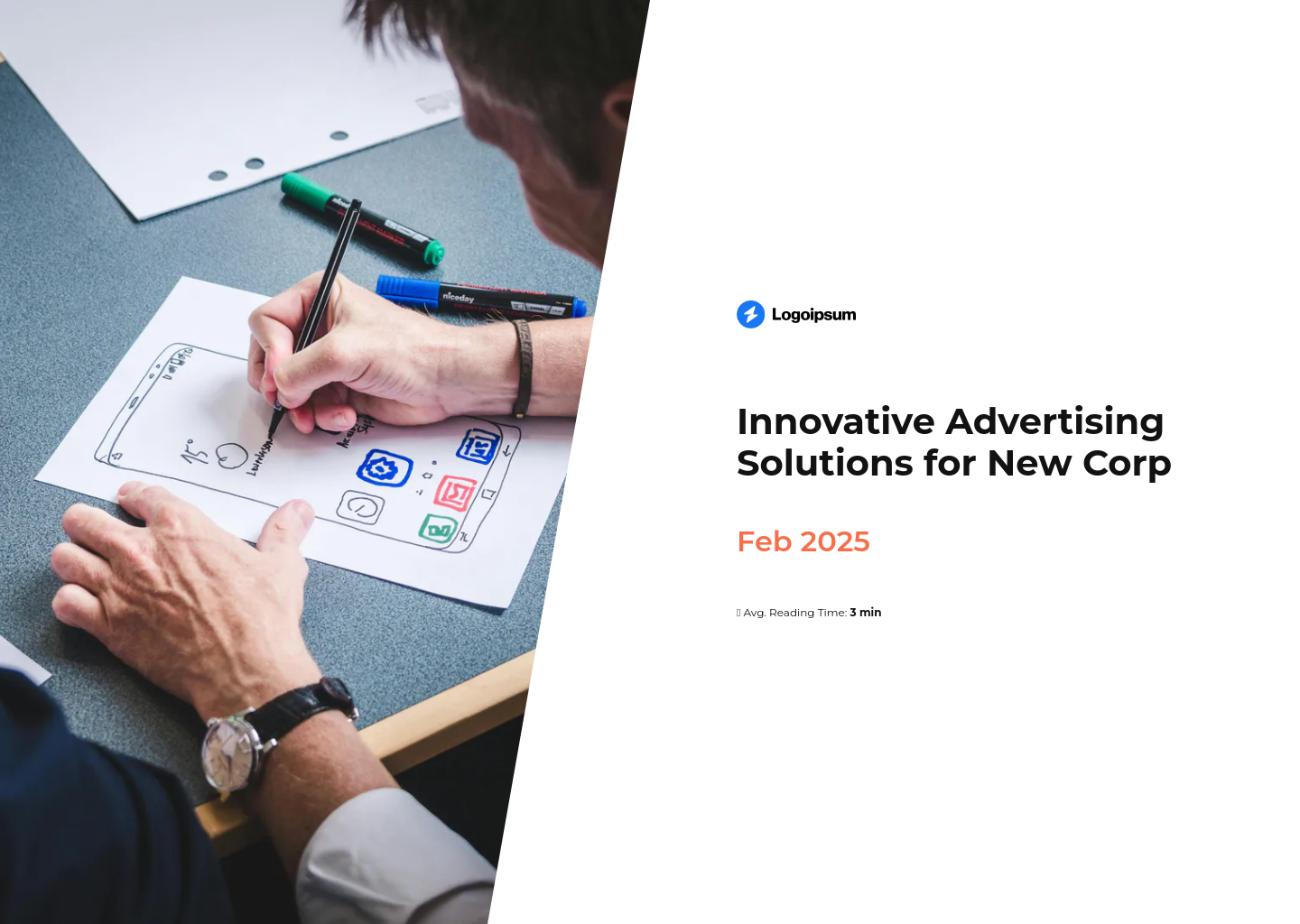
Ready to turn your pitch into a story investors can’t resist? Start with one of our customizable storytelling pitch deck templates.
Each template is designed using the storytelling techniques and best practices outlined in this article, backed by insights from over 1.3 million pitch deck interactions on Storydoc.
You don’t need to be an expert in storytelling – just let the templates do the work for you.
Grab one!

